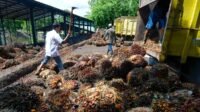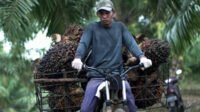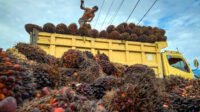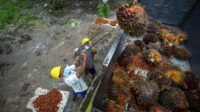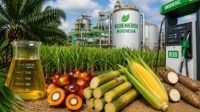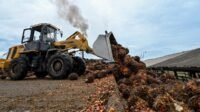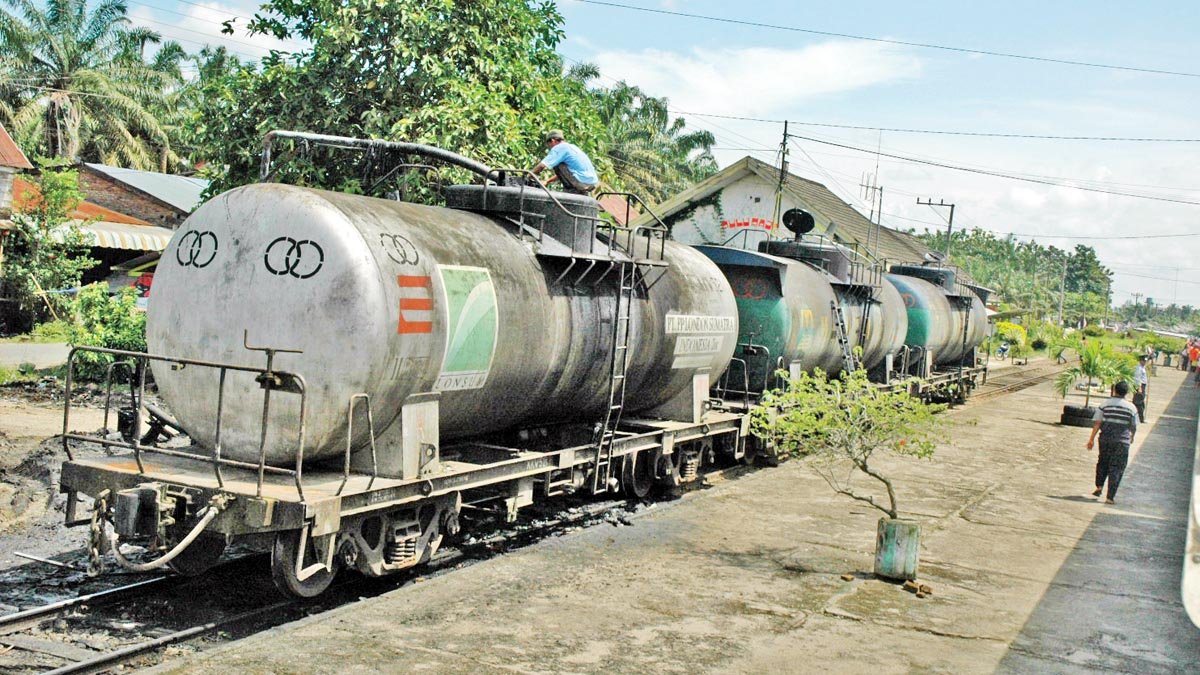
PALMOILMAGAZINE, JAKARTA — PT Kereta Api Indonesia (Persero), or KAI, recorded strong growth in plantation commodity freight during the first seven months of 2026, driven largely by higher crude palm oil (CPO) shipments as domestic demand strengthened following the implementation of Indonesia’s B50 biodiesel mandate.
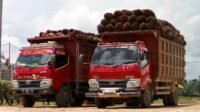
KAI transported 374,098 tons of plantation commodities between Jan. 1 and July 31, 2026, up 18% from 317,026 tons in the same period a year earlier. The increase represents an additional 57,072 tons of freight.
Monthly performance also accelerated. In July alone, KAI transported 51,741 tons of plantation commodities, up 24.52% from 41,551 tons in July 2025, an increase of approximately 10,190 tons.
Also Read: Indonesia Sets August Biodiesel Market Index Price at IDR14,924 per Liter
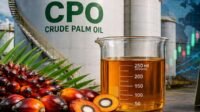
Anne Purba, KAI’s vice president of corporate communications, said CPO accounts for the majority of plantation commodities transported by rail. She said rail-based logistics offers advantages for the palm oil supply chain through its large carrying capacity, scheduled services and efficient operations.
“The 18% increase shows that demand for rail-based plantation logistics services is strengthening. KAI is maintaining the smooth distribution of CPO as a raw material for various industries, including the bioenergy sector, which now plays a strategic role in Indonesia’s national energy security policy,” Anne said, as quoted by PalmOilMagazine from Rakyat Merdeka on Aug. 12, 2026.
She attributed the stronger demand for CPO partly to the implementation of Indonesia’s mandatory B50 biodiesel program, which took effect on July 1, 2026, and was officially launched by President Prabowo Subianto on July 9 as part of the government’s strategy to strengthen national energy self-sufficiency.
Also Read: Indonesia’s Biodiesel Policy Emerges as a New Price Anchor for Global Palm Oil
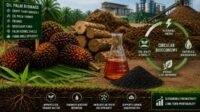
Under the policy, B50 fuel contains 50% palm-oil-based biodiesel, or fatty acid methyl ester (FAME), blended with 50% diesel fuel. Indonesia’s Ministry of Energy and Mineral Resources (ESDM) estimates that the program will require between 16.7 million and 18 million kiloliters of biodiesel, supported by approximately 15.2 million to 16.3 million tons of CPO.
The B50 program is projected to save up to Rp170 trillion in foreign exchange, create approximately 2.1 million jobs and reduce carbon dioxide emissions by as much as 44.46 million tons.
Also Read: Indonesia Locks In 2026 B50 Biodiesel Quotas, Clearing the Way for Nationwide Rollout
According to Anne, rising CPO demand from the biodiesel industry is also expanding the domestic market for Indonesia’s plantation sector. Rail transportation can play a key role in this supply chain by moving feedstock safely and efficiently from production centers to processing facilities.
Indonesia’s biodiesel policy is also attracting attention in global palm oil markets. In its July 2026 Oilseeds: World Markets and Trade report, the U.S. Department of Agriculture (USDA) projects global palm oil production at 81.44 million tons in the 2026/27 marketing year. Indonesia is expected to account for 47.5 million tons, or approximately 58.3% of global output.
The USDA report highlights several factors likely to shape the global palm oil market, including Indonesia’s B50 implementation, the potential impact of an El Niño event and fluctuations in crude oil prices, which can influence the broader vegetable oil market.
Also Read: KPBN CPO Price Rises to IDR 15,702/Kg on Aug. 11, 2026
In line with the government’s biodiesel policy, KAI has also begun the gradual use of B50 in its diesel-powered fleet starting July 1, 2026. The fuel is being introduced on locomotives and generator cars following a series of tests covering engine performance, fuel consumption, combustion stability, emissions, filter conditions, lubricants and fuel systems.
“KAI plays a role in two important parts of the B50 ecosystem. Through our plantation commodity freight services, we support the distribution of palm oil commodities. Operationally, KAI is gradually using B50 in locomotives and generator cars while maintaining the highest standards of safety and equipment reliability,” Anne said.
KAI plans to further expand its plantation commodity freight capacity by strengthening rolling-stock readiness, optimizing loading and unloading facilities, and improving coordination with customers and other stakeholders.
Also Read: Malaysia CPO Futures Rise as August Contract Hits RM4,562/Tonne
The company expects these efforts to reinforce Indonesia’s palm oil supply chain, support downstream processing and contribute to the country’s energy security objectives.
“Railways connect production, processing and national energy needs. The growth in plantation commodity freight presents an opportunity to strengthen rail logistics’ role in supporting palm oil downstreaming and Indonesia’s energy independence,” Anne said. (P2)