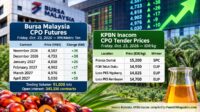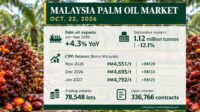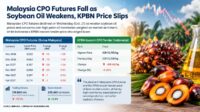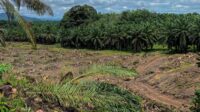
PALMOILMAGAZINE, KUALA LUMPUR — Crude palm oil (CPO) prices are expected to remain around RM4,500 per ton in the near term, supported by improving biodiesel economics, stronger global crude oil prices, and the risk of El Niño weather conditions that could affect regional palm oil output.
The outlook was highlighted by the Malaysian Palm Oil Council (MPOC), which said the combination of energy-related demand and weather concerns is likely to remain the key driver of palm oil prices through the second half of 2026.
However, MPOC noted that further gains may be capped by softer export demand caused by global inflationary pressure, slower economic growth in several key markets, and the possibility of rising inventories as production enters its seasonal peak.
Also Read: Riau Reviews Palm Oil Revenue-Sharing Fund Management Amid New Regulations and Fiscal Pressure
According to MPOC data, Malaysian palm oil stocks fell 16.1% in March 2026 to 2.26 million tons, after exports surged to 1.55 million tons, exceeding monthly production of around 1.37 million tons.
“The stronger export performance in the first quarter was mainly driven by accelerated shipments ahead of higher logistics costs, while Indonesian exports slowed after a rush in shipments before export levy increases,” MPOC said in a statement, as quoted by Palmoilmagazine.com from NST on Sunday (26/4/2026).
Despite global economic challenges, palm oil exports in the first quarter of 2026 rose 29.1% year-on-year, equivalent to an additional 927,000 tons. Export growth was recorded in nearly all regions except the Americas.
Also Read: Indonesia’s Palm Oil Exports Hit US$3.69 Billion in February 2026, Up 28.88% YoY
North Africa posted the strongest increase at 94%, followed by South Asia at 74%. Other Europe and Central Asia grew 47%, Asia Pacific rose 24%, and Sub-Saharan Africa increased 20%. Meanwhile, growth in the Middle East and the European Union was more moderate at 8% and 1%, respectively.
On the global vegetable oil front, escalating geopolitical tensions in the Middle East since late February also triggered price volatility. By mid-April, palm oil prices and U.S. soybean oil had risen 15%–16%, significantly outperforming sunflower oil, rapeseed oil, and Argentine soybean oil, which gained only 2%–5%.
MPOC said palm oil has become one of the biggest beneficiaries of biodiesel policies being rolled out in several countries, especially as high global energy prices make biofuel blending increasingly competitive.
Domestic demand in Southeast Asia is also expected to provide fresh support. MPOC estimates additional palm oil consumption in the region could absorb 1 million to 1.5 million tons during the second half of 2026.
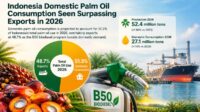
In Malaysia, implementation of the B15 biodiesel mandate is expected to require an extra 300,000 tons of CPO annually. Meanwhile, Indonesia could absorb up to 3 million additional tons per year if the B50 mandate is fully implemented, although actual uptake will depend on biodiesel industry capacity.
Beyond demand factors, MPOC also pointed to dry weather risks as another bullish factor. Lower rainfall since mid-March, combined with forecasts for continued dry conditions through June from Malaysian meteorological authorities, could disrupt production and tighten global supply.
Also Read: GAPKI and the Government Strengthen National Preparedness to Mitigate Forest Fire Risks
With rising biodiesel demand, firm energy prices, and the threat of extreme weather, the palm oil market is seen maintaining strong support at premium levels, although export weakness and higher seasonal output may continue to balance the market. (P3)