PALMOILMAGAZINE,JAKARTA – The funding allocation of Indonesia’s Badan Pengelola Dana Perkebunan (BPDP) is once again under scrutiny, as new data reveals a significant imbalance between subsidies for biodiesel and direct support for smallholder farmers, particularly under the Smallholder Replanting Program (PSR).
By mandate, BPDP is responsible for collecting, managing, and distributing plantation funds to support a wide range of strategic priorities, including human resource development, research, plantation rejuvenation, and infrastructure. However, in practice, the bulk of funding has been directed toward energy-based palm oil programs.
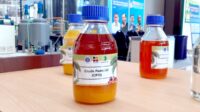
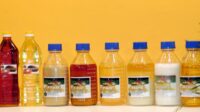
Between 2015 and 2025, BPDP disbursed approximately Rp239 trillion to support biodiesel initiatives. During this period, total biodiesel distribution reached 83.88 million kiloliters, generating substantial macroeconomic benefits, including foreign exchange savings of up to Rp750.74 trillion and a reduction of 222 million tons of CO₂ emissions.
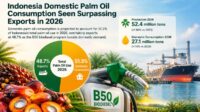
In 2025 alone, biodiesel distribution hit 14.7 million kiloliters, driven by the implementation of the B40 mandate. These figures underline how heavily BPDP funding remains concentrated in the downstream energy sector.
Limited Support for Smallholders
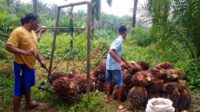
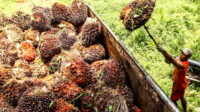
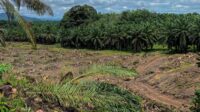
In contrast, funding allocated to the PSR program remains relatively modest. From 2016 to 2025, BPDP disbursed only around Rp12.01 trillion for replanting, benefiting approximately 117,190 farmers and covering 408,512 hectares.
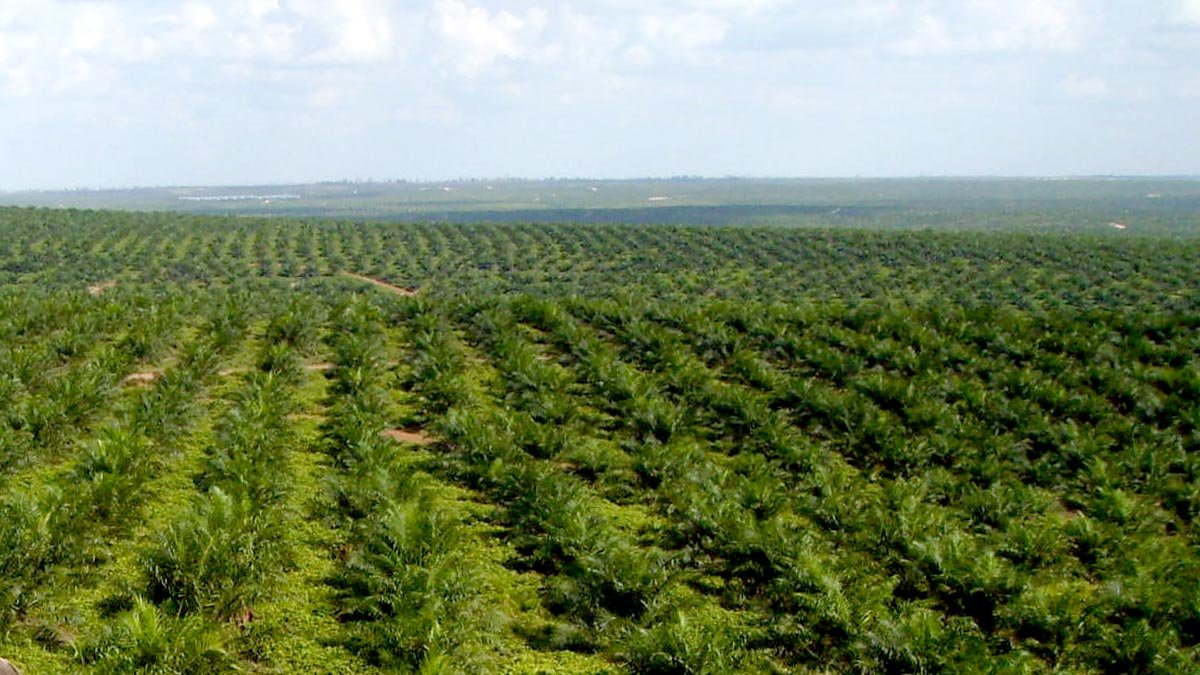
In 2025, PSR realization reached 43,590 hectares across 22 provinces—far below national replanting needs, considering Indonesia’s total oil palm plantation area exceeds 16 million hectares.
This disparity has raised critical questions about BPDP’s funding priorities, particularly in terms of equitable benefit distribution for key stakeholders—namely smallholder farmers.
Also Read: Indonesia Moves Closer to B50 Rollout as Multi-Sector Trials Confirm Readiness
A rough comparison shows that biodiesel funding is nearly 20 times higher than PSR allocations, highlighting a strong policy bias toward energy downstreaming rather than upstream productivity improvements and farmer welfare.
Meanwhile, challenges in the plantation sector remain substantial. Smallholder productivity averages only around 3.6 tons of crude palm oil (CPO) per hectare annually—well below its potential of 6–8 tons. Other persistent issues include land legality, limited market access, and governance conflicts.
Although BPDP’s regulatory mandate extends beyond biodiesel to include research, innovation, promotion, and broader plantation-based food and energy development, the dominance of biodiesel spending has effectively constrained fiscal space for programs that more directly benefit farmers.
Also Read: Smallholder Group Builds Service Center to Strengthen Palm Oil Farmers in Riau
Calls to Increase Replanting Support
The Serikat Petani Kelapa Sawit (SPKS) has urged the government to raise PSR funding from Rp60 million to Rp90 million per hectare. The increase is considered crucial to overcoming key barriers that have slowed program implementation at the farmer level.
SPKS Chairman Sabarudin noted that many smallholders remain hesitant to join the PSR program due to concerns over income loss during the replanting period, which can take one to four years before trees become productive again.
Also Read: GAPKI and the Government Strengthen National Preparedness to Mitigate Forest Fire Risks
“We are asking the government to increase PSR funding to Rp90 million per hectare so farmers have sufficient support during the replanting period. Without economic security, it is understandable that farmers are reluctant to participate,” he said in an official statement on March 16, 2026.
According to SPKS, uncertainty over income during replanting is one of the main factors behind the slow uptake of the program. Increasing PSR funding is therefore seen as essential not only to accelerate replanting but also to ensure a fairer distribution of palm oil fund benefits managed by the government. (P2)