

PALMOILMAGAZINE, JAKARTA – Council of Palm Oil Producing Countries (CPOPC) has raised concerns over the increasingly complex landscape facing Indonesia’s palm oil industry, as global regulations, health-related narratives, and environmental perceptions continue to intensify.
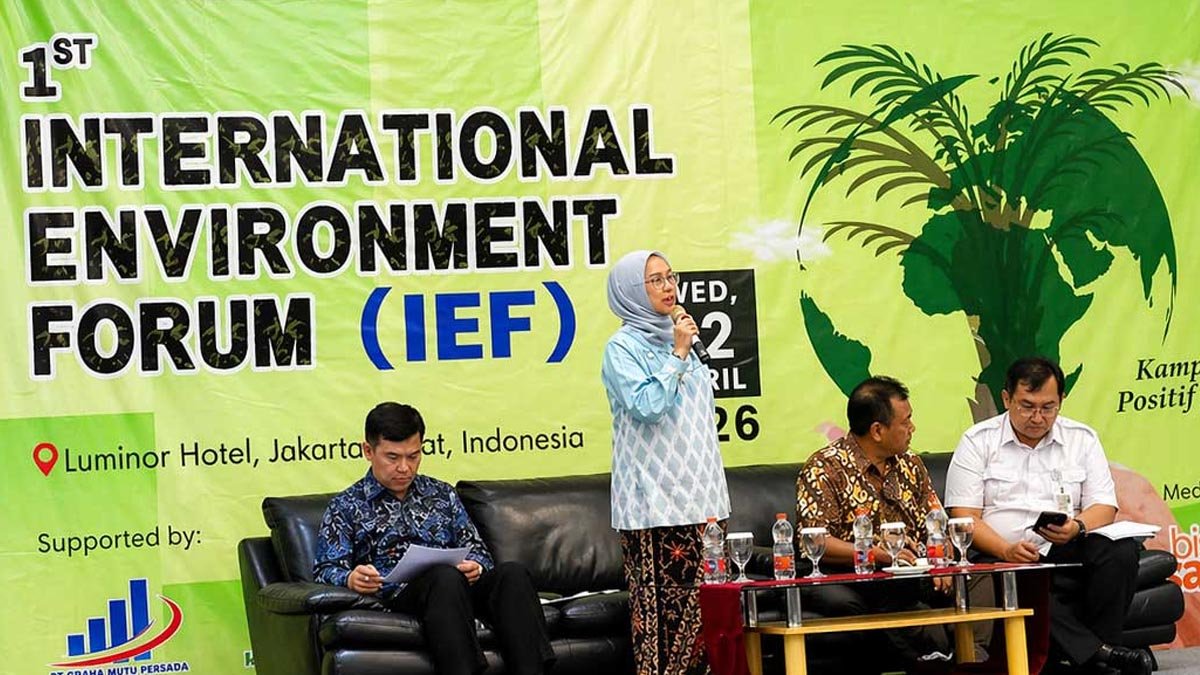
Speaking at the 1st International Environment Forum (IEF) 2026 in Jakarta, Deputy Secretary General Musdhalifah Machmud said the sector is under mounting pressure from multiple fronts, particularly from international regulatory frameworks that are increasingly targeting palm oil.
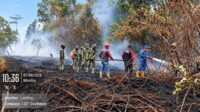
One of the most pressing concerns is the European Union’s deforestation regulation, set to be fully implemented by the end of 2026. According to her, such policies are part of a broader wave of global standards focusing on sustainability, environmental protection, and product composition—many of which disproportionately affect palm oil.
Also Read: KPBN CPO Prices Edge Higher on Thursday (April 23), Malaysia Market Slips on Profit-Taking
“Global regulations are expanding rapidly, and nearly all are directed at palm oil, covering deforestation, sustainability standards, and even product content that is often negatively perceived,” she said.
Beyond regulatory challenges, Musdhalifah highlighted persistent health-related campaigns, including concerns over contaminants such as 3-MCPD and glycidyl esters. These issues, she noted, frequently shape public opinion despite limited comprehensive understanding among consumers.
“This remains a major task for us—to ensure accurate and balanced education reaches the global public,” she added.
Also Read: Malaysia CPO Prices Slip as Profit-Taking Ends Three-Day Rally
On sustainability, she emphasized that the palm oil industry has made significant progress over the past two decades. Global initiatives like the Roundtable on Sustainable Palm Oil (RSPO), established in 2004, and Indonesia’s Indonesian Sustainable Palm Oil (ISPO), launched in 2011, demonstrate ongoing commitments to sustainable practices.
However, she acknowledged that implementation remains uneven, with many plantations still needing to meet international benchmarks. In contrast, Malaysia’s Malaysian Sustainable Palm Oil (MSPO) has achieved approximately 90% certification coverage—an outcome she said could serve as a model through stronger collaboration among producing countries.
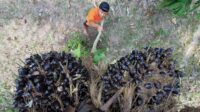
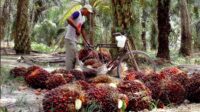
Productivity is another critical issue, particularly among smallholders. Musdhalifah pointed out that yield gaps continue to affect income distribution, with replanting programs for smallholder farmers yet to reach optimal performance.
Also Read: Riau Independent FFB Prices Fall to IDR 3,956.31/kg in Late April Period
“Low productivity remains a fundamental challenge, especially as replanting efforts have not progressed as expected,” she noted.
At the same time, negative campaigns against palm oil persist, even within domestic markets. She described it as ironic that anti-palm oil narratives—including claims labeling palm oil as harmful—are still found in Indonesia itself.
“This highlights the urgent need for broader and more effective public education,” she stressed.
Also Read: North Sumatra Palm FFB Prices Edge Lower to IDR 3,906.61/kg in Late April Period
Addressing environmental concerns, Musdhalifah argued that the widespread perception linking palm oil as the primary driver of deforestation requires clarification. She explained that oil palm plantations occupy a relatively small portion of Indonesia’s total land area compared to forests and conservation zones.
“Palm oil plantations cover only around 7 million hectares, far smaller than the country’s forest areas. It is misleading to consistently position palm oil as the main cause of deforestation,” she explained.
She further emphasized that despite its relatively limited land footprint, the sector delivers substantial economic benefits, supporting the livelihoods of millions.
Also Read: Earth Day 2026 Forum Challenges “Palm Oil Harms Environment” Narrative with Scientific Evidence
Musdhalifah also addressed human-wildlife conflicts, noting that the presence of animals such as elephants and orangutans in plantation areas is often misinterpreted. According to her, these movements are largely driven by food availability rather than solely by land conversion.
“Wildlife enters plantation areas in search of accessible food sources, not simply because forests have been entirely replaced by palm oil,” she said.
Looking ahead, she stressed the importance of reinforcing sustainability practices, improving productivity, and strengthening global communication strategies.
Also Read: Indonesia Accelerates Palm Oil Downstreaming While Planning Major Plantation Expansion
“We must maintain a balance between economic growth, social responsibility, and environmental protection. Palm oil is strategically important—not only for Indonesia, but for the global economy,” she concluded.
Despite the growing challenges, she expressed optimism that through stronger collaboration, improved standards, and more effective education, Indonesia’s palm oil industry can continue to evolve sustainably amid global pressures. (P2)