PALMOILMAGAZINE, JAKARTA — PT Agrinas Palma Nusantara (Persero) is stepping up efforts to accelerate cooperative-based downstream development in Indonesia’s smallholder palm oil sector, aiming to strengthen the rural economy while optimizing the use of state land reclaimed from forest area enforcement.
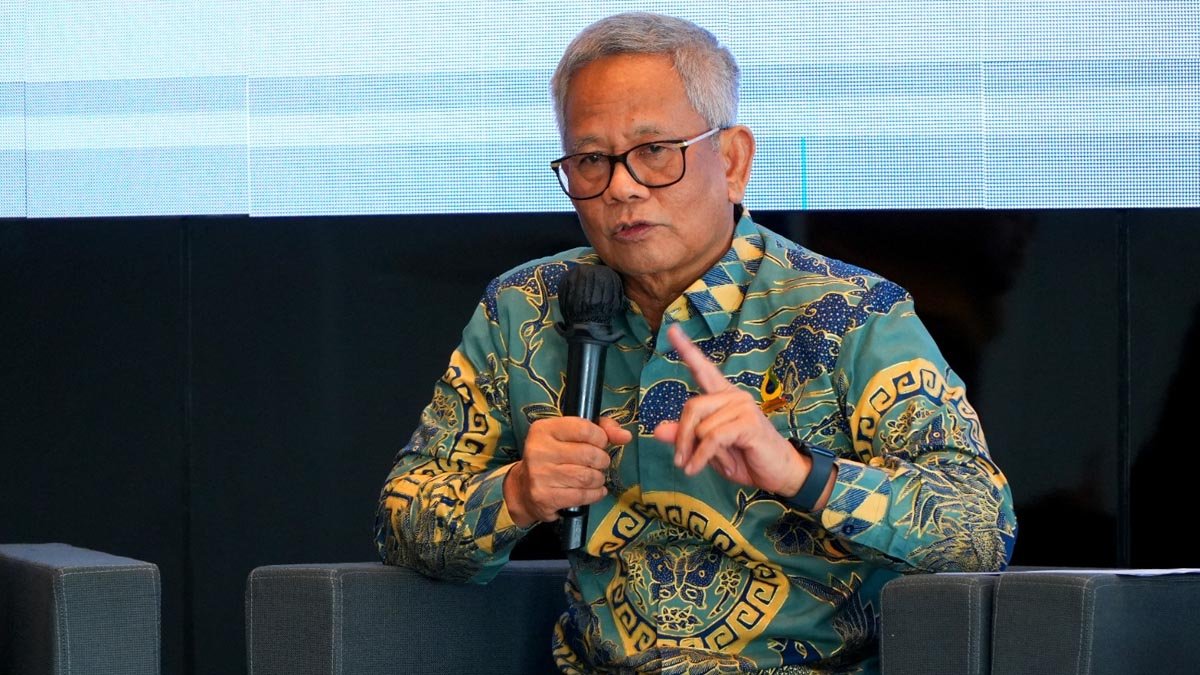
The commitment was outlined by President Director Mohammad Abdul Ghani during a Focus Group Discussion (FGD) on strategies for smallholder palm oil downstreaming, organized by the Ministry of Cooperatives in Jakarta.
Ghani emphasized that recent government policies—particularly those related to forest area enforcement—must be followed by concrete actions that generate economic value for local communities.
Also Read: Indonesia Accelerates B50 and E20 Rollout to Strengthen Energy Independence
“Land that has been returned to the state must be utilized to maximize public welfare. One way is through cooperative-based downstreaming, so farmers are not only raw material producers but also key players in the industry’s value chain,” he said, in a statement obtained by Palmoilmagazine.com on Friday (April 17).
Unlocking Smallholder Potential
Indonesia’s oil palm plantation area spans approximately 16–17 million hectares, with around 41 percent managed by smallholders. However, their contribution to value-added activities remains limited.
The palm oil sector employs around 11 million workers and is one of the country’s largest foreign exchange earners. Still, challenges such as unequal land distribution and illegal practices persist and require systemic solutions.
Also Read: Agrinas Palma Nusantara Partners KPBN to Boost CPO Market Efficiency
Ghani stressed that downstreaming is essential to improving Indonesia’s bargaining position as the world’s largest palm oil producer.
“We are strong in production, but not yet optimal in capturing value and influencing prices. Cooperative-based downstreaming is the pathway to correct this imbalance,” he noted.
Cooperatives at the Core
Agrinas Palma Nusantara’s approach places cooperatives at the center of smallholder palm oil management. Farmers are encouraged to organize into strong cooperatives capable of handling not only production but also initial processing stages, including crude palm oil (CPO).
This model also opens access to investment financing for processing facilities, allowing farmers to capture higher margins from their output.
Also Read: Australia Eyes Indonesian Urea Imports, Government Prioritizes Domestic Supply
“With strong cooperatives, farmers can sell collectively, secure better prices, and even move into processing. This will directly improve their welfare,” Ghani explained.
Cross-Sector Collaboration
The FGD brought together a wide range of stakeholders, including government ministries, state institutions, state-owned enterprises, private companies, farmer organizations, and international NGOs.
Discussions highlighted the importance of cross-sector collaboration, particularly in governance, financing, and regulatory support. Downstreaming has also been identified as a national development priority, including within strategic projects focused on smallholder palm oil.
Also Read: Following Australia, India Shows Interest in Importing Indonesian Fertilizer Amid a National Surplus
Participants also emphasized the need to strengthen cooperative governance, enhance partnerships with corporations, and support research and innovation to improve productivity and sustainability.
Policy Direction Ahead
The forum is expected to produce strategic recommendations that will shape future policies on smallholder palm oil downstreaming, including pilot project implementation in selected regions.
Agrinas Palma Nusantara remains optimistic that strong collaboration between the government, cooperatives, and industry players will drive a more inclusive and sustainable transformation of Indonesia’s palm oil sector.
Also Read: SPKS Calls for Fairer Palm Oil Revenue Share as Regions Receive Minimal Returns
“We believe cooperative-based downstreaming is not only an economic strategy, but also a pathway to deliver fairness for smallholders and strengthen national economic sovereignty,” Ghani concluded. (P3)