PALMOILMAGAZINE, PADANG – The Indonesian government is stepping up efforts to accelerate the development of national bioenergy as part of a broader strategy to achieve energy independence. The Ministry of Agriculture, in collaboration with state-owned enterprises (SOEs) and Danantara, is now intensifying the large-scale implementation of biodiesel and ethanol.
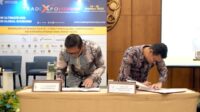
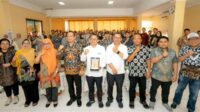
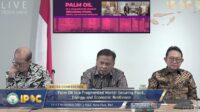
This initiative was a key focus during a meeting between Agriculture Minister Andi Amran Sulaiman and executives from PTPN and Danantara in Padang, West Sumatra, on Tuesday (April 14, 2026).
Minister Amran emphasized that the acceleration of bioenergy programs is a direct directive from President Prabowo Subianto, requiring strong cross-sector collaboration. He stressed that synergy between the government, SOEs, and industry players is essential to achieving these ambitious targets.
Also Read: Australia Eyes Indonesian Urea Imports, Government Prioritizes Domestic Supply
“This is a direct instruction from the President. Together with SOEs and Danantara, we are working collaboratively to realize his major vision,” Amran said, as quoted by Palmoilmagazine.com on Sunday (April 19).
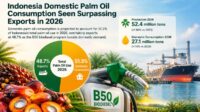
One of the primary priorities is the rollout of B50 biodiesel, which is targeted for implementation this year. The program is expected to deliver significant benefits, not only by reducing energy imports but also by creating new economic opportunities.
“The President’s directive is clear—biofuel. With B50, we can eliminate 5 million tons of diesel imports. This is a remarkable achievement as it will generate jobs, reduce poverty, and improve public welfare,” he stated.
Also Read: SPKS Calls for Fairer Palm Oil Revenue Share as Regions Receive Minimal Returns
In addition to biodiesel, the government is also accelerating ethanol development through the E20 mandate as part of the national energy mix. To meet this target, Indonesia is estimated to require around 8 million tons of ethanol.
Amran noted that this move is a crucial step toward long-term energy self-sufficiency, pointing to Brazil’s success in implementing higher ethanol blends such as E70 and E100.
He further highlighted that a fully developed bioenergy ecosystem would have a substantial impact on the national economy, including job creation, poverty reduction, lower unemployment, and improved living standards.
Also Read: Andalas Forum VI: ISPO Gains Momentum, Indonesia Targets Global Market Trust
Meanwhile, Danantara’s Managing Director Business 2, Setyanto Hantoro, expressed readiness to support the bioenergy program, particularly in biodiesel and ethanol implementation.
“B50 is on track, and now we are moving forward with ethanol. Currently, B40 has already been fulfilled,” Setyanto said.
He added that the existing B40 program has significantly reduced Indonesia’s reliance on diesel imports. “With B40, we have effectively eliminated diesel imports. Once we reach B50, we could even start exporting diesel,” he explained.
Also Read: GAPKI Pushes for Palm Oil Industry Synergy Through the 6th Andalas Forum
To support the E20 mandate, the development of ethanol production facilities is being accelerated. Currently, one plant is operational, while another is under construction in East Java. Four additional plants are planned, bringing the total to six facilities to meet future demand.
Beyond energy, the government is also promoting downstream processing of regional commodities such as gambier in West Sumatra, with SOEs like PTPN expected to serve as key drivers through partnerships with the private sector and local communities.
Amran also underscored that achievements in the food sector provide a strong foundation for advancing the national bioenergy agenda. He pointed out that Indonesia has reached its food self-sufficiency target much faster than expected.
Also Read: Agrinas Palma Nusantara Partners KPBN to Boost CPO Market Efficiency
“We have already delivered on food security. What was targeted for four years has been achieved in just one year. Our current rice stock stands at 4.7 million tons—the highest in history,” he concluded. (P3)