PALMOILMAGAZINE, MEDAN — Fresh fruit bunch (FFB) prices in North Sumatra declined slightly for the April 22–28, 2026 pricing period, reflecting adjustments in upstream palm oil prices amid shifting market conditions.
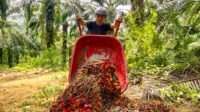
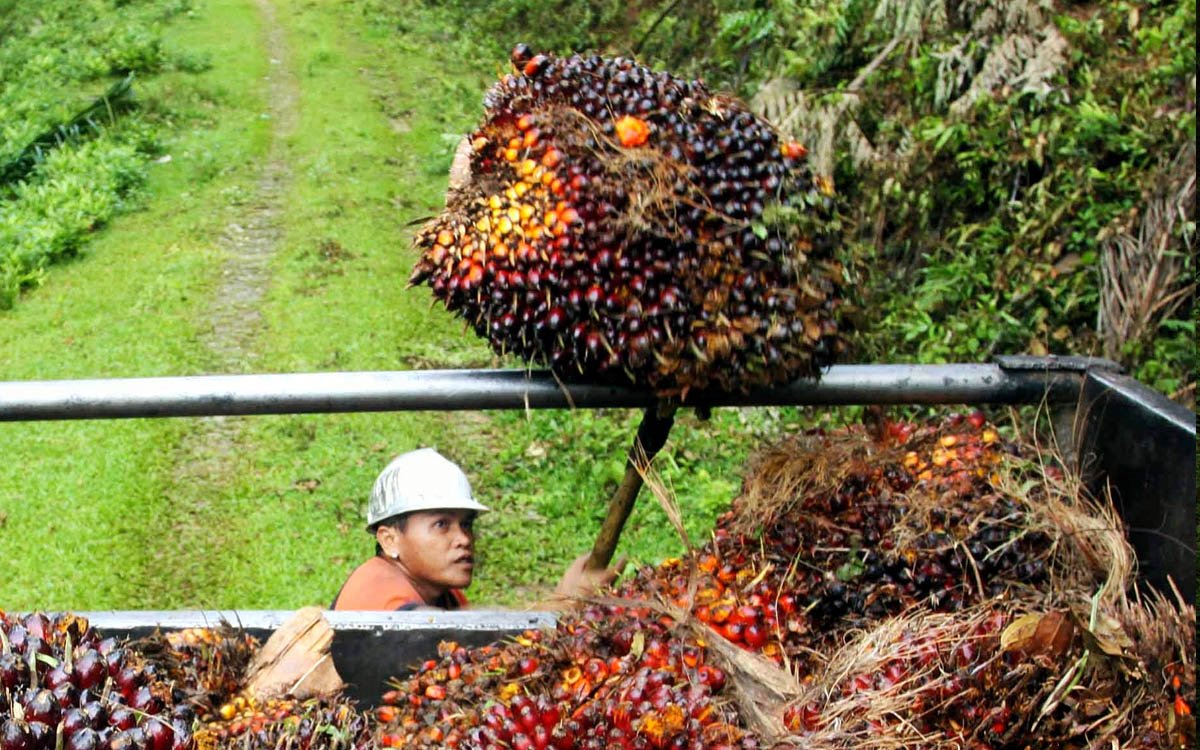
Based on the latest pricing set by the regional committee, FFB from oil palm trees aged 10–20 years fell by IDR 42.63/kg to IDR 3,906.61/kg. The decline mirrors a correction in crude palm oil (CPO) prices, which continue to influence farm-gate pricing.
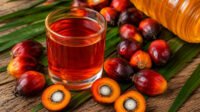
In the same period, the benchmark CPO price was set at IDR 15,098.47/kg, while palm kernel prices stood at IDR 15,828.00/kg, with a K index of 93.15%.
Also Read: Indonesia Accelerates Palm Oil Downstreaming While Planning Major Plantation Expansion
Data compiled by Palmoilmagazine.com from the North Sumatra Plantation and Livestock Agency shows price variations across different tree age groups. FFB from 3-year-old trees was priced at IDR 3,306.93/kg, rising to IDR 3,527.71/kg for 4-year-old trees and IDR 3,647.87/kg for 5-year-old trees.
Prices continued to increase with maturity, reaching IDR 3,751.94/kg for 6-year-old trees and IDR 3,844.27/kg for 8-year-old trees, before peaking around the productive age range.
For older trees, prices showed a gradual decline. FFB from 21-year-old trees was priced at IDR 3,914.79/kg, while 22-year-old and 23-year-old trees were set at IDR 3,881.79/kg and IDR 3,824.04/kg, respectively. Prices dropped further to IDR 3,710.25/kg at 24 years and IDR 3,606.72/kg at 25 years.
Also Read: Earth Day 2026 Forum Challenges “Palm Oil Harms Environment” Narrative with Scientific Evidence
The downward trend continued for aging plantations, with prices falling to IDR 3,580.47/kg at 26 years and reaching IDR 3,367.65/kg for 30-year-old trees.
This price correction highlights the close linkage between upstream FFB pricing and global CPO market movements. Despite the decline, current price levels remain relatively competitive, still offering reasonable margins for growers, particularly those with trees in peak productive age.
Industry observers note that future price stability will largely depend on global vegetable oil trends, as well as domestic policy developments, including Indonesia’s palm-based energy strategy, which is expected to influence demand going forward. (P3)