PALMOILMAGAZINE, JAKARTA – Indonesia’s Ministry of Agriculture (MoA) is ramping up mitigation measures to address the impacts of an extended dry season driven by climate change. The initiative is aimed at safeguarding oil palm productivity, reducing the risk of forest and land fires, and protecting smallholder incomes.
Prolonged drought poses a significant challenge to the palm oil industry by limiting water availability, disrupting crop development, and increasing the likelihood of wildfires in plantation areas. To address these risks, the government is promoting more adaptive and sustainable plantation management practices.
Minister of Agriculture Andi Amran Sulaiman stressed that climate change should not become an excuse for declining plantation output. He said mitigation efforts must be implemented consistently through technological innovation, natural resource conservation, and climate-adaptive plantation management.
Also Read: BMKG Warns El Niño to Keep Indonesia’s Palm Oil Regions Drier Until October 2026
“Climate change must not become a reason for declining production. Mitigation should be carried out in a planned and consistent manner through technology adoption, resource conservation, and adaptive plantation management. These measures will help maintain productivity, improve farmers’ welfare, and strengthen Indonesia’s food and economic resilience,” Amran said, as quoted by PalmOilMagazine from the Ministry of Agriculture on Friday (July 31).
The ministry noted that the strategy aligns with Law No. 39/2014 on Plantations, which emphasizes sustainable plantation development while preserving environmental resources.
As part of the implementation, the Directorate General of Plantations is strengthening climate mitigation by preparing technical guidelines for climate-adaptive cultivation, expanding the adoption of Good Agricultural Practices (GAP) and Climate Smart Agriculture (CSA), improving plantation human resources, and encouraging the use of climate information in decision-making at the farm level.
Also Read: KPBN Inacom CPO Price Falls to IDR 15,750/kg as Malaysian Futures Advance
The integrated climate risk management strategy is designed to improve plantation resilience against increasingly frequent extreme weather events.
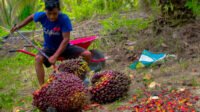
According to the ministry, prolonged drought can reduce female flower formation, increase flower and fruit abortion, lower fresh fruit bunch (FFB) weight, and ultimately reduce palm oil yields and oil extraction rates. Dry conditions also heighten the risk of forest and peatland fires while degrading soil quality, leading to higher maintenance costs for growers.
To minimize these impacts, the government is promoting water conservation infrastructure, including infiltration pits, farm reservoirs, recharge wells, conservation drains, bunds, and terracing to enhance groundwater recharge and improve water availability during the dry season.
Also Read: Riau Plasma Palm Fruit Prices Close In on IDR 4,000/kg Amid Firm Market Fundamentals
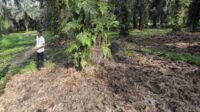
Additional conservation practices include using oil palm fronds as mulch, applying empty fruit bunches (EFB), establishing legume cover crops (LCC), and utilizing compost and biochar to improve soil moisture, structure, and water-holding capacity.
Water management practices are being tailored to different land types. On mineral soils, growers are encouraged to develop reservoirs, install water pumps, irrigate immature palms, and harvest rainwater. In peatland areas, management focuses on maintaining groundwater levels at around 40 centimeters below the soil surface, maintaining canal blocks, monitoring water tables, and closing unused drainage canals.
The ministry is also adjusting fertilizer application schedules according to rainfall patterns to improve nutrient uptake. Organic fertilizer use continues to be promoted, while weed management prioritizes species that compete for water without removing beneficial ground cover vegetation that helps retain soil moisture.
Also Read: Riau Independent Palm Fruit Prices Extend Rally, Climb to IDR 3,913/kg
Wildfire mitigation has also been strengthened through routine patrols, emergency response teams, firefighting equipment, hotspot monitoring, public awareness campaigns against open burning, and the implementation of standard operating procedures for fire prevention and response. Climate information from Indonesia’s Meteorology, Climatology and Geophysics Agency (BMKG), crop calendars, and early warning systems are also being integrated into plantation management strategies.
To ensure preparedness, the ministry has intensified coordination with plantation companies holding Plantation Business Licenses (IUP), including oil palm producers, to verify the readiness of wildfire prevention infrastructure and emergency response systems.
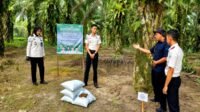
The Directorate General of Plantations has also conducted inspections of firefighting equipment and emergency personnel at plantation companies in Musi Banyuasin, South Sumatra, and Siak, Riau, to ensure rapid response capabilities during the peak dry season.
Acting Director General of Plantations Heru Tri Widarto emphasized that successful drought mitigation depends on the consistent implementation of good agricultural practices in the field.
“Dry season mitigation must become an integral part of daily plantation management. Through effective water management, soil conservation, climate information, and wildfire preparedness, palm oil productivity can be maintained despite the growing challenges posed by climate change,” Heru said.
Through these comprehensive measures, the Ministry of Agriculture remains optimistic that Indonesia can maintain national palm oil productivity, minimize production losses caused by drought and wildfires, and further strengthen the long-term sustainability and competitiveness of its plantation sector. (P3)