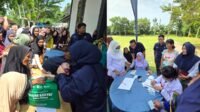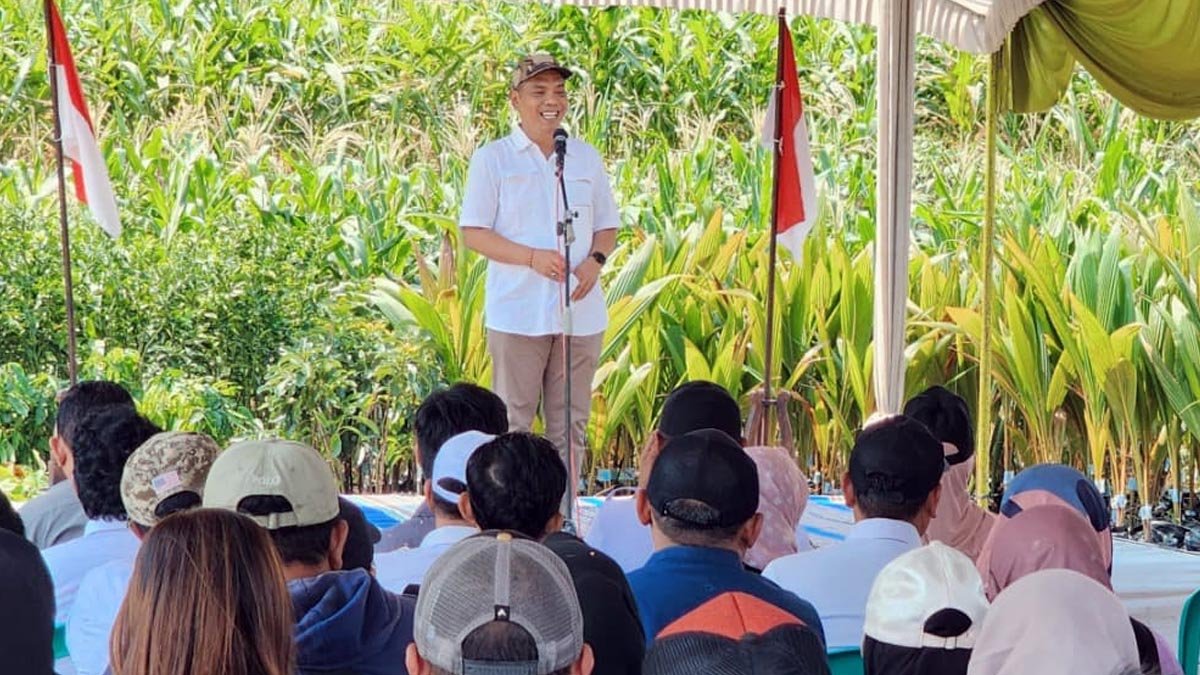
PALMOILMAGAZINE, CENTRAL JAVA – Indonesia’s Ministry of Agriculture (Kementan) has stepped up efforts to transform the country’s plantation sector by launching the Nature-Based Solution (NBS)-Agroforestry program, a strategy designed to strengthen climate resilience while improving smallholder livelihoods. The initiative officially kicked off with a tree-planting program in Kendal Regency, Central Java, on Wednesday (July 29, 2026).
The program is a collaborative initiative involving the Directorate General of Plantations, PT Pupuk Indonesia, and the Ministry’s Millennial Farmer Ambassadors and Leading Farmer Ambassadors. Through an agroforestry approach, the government aims to integrate economic, social, and environmental objectives to build a more productive and sustainable plantation sector.
Acting Director General of Plantations Heru Tri Widarto said the program follows a memorandum of understanding signed by the participating institutions on April 13, 2026.
Also Read: SNV Impact Forum 2026 Calls for Stronger Partnerships to Scale Regenerative Agriculture
According to Heru, the NBS-Agroforestry initiative is designed not only to accelerate land rehabilitation but also to strengthen community capacity, create new business opportunities, and promote the growth of a green rural economy.
“This program represents a strategic step toward building a plantation sector that is both productive and sustainable. Beyond restoring degraded land, it is expected to enhance community capabilities and improve farmers’ welfare through the development of a green economy,” Heru said, as quoted by PalmOilMagazine.com from the Directorate General of Plantations on Friday (July 31).
He explained that the agroforestry system combines plantation crops with forestry species and other vegetation, improving soil and water conservation, increasing carbon sequestration, and enhancing plantation resilience to climate change.
Heru added that the approach delivers both environmental and economic benefits by increasing plantation profitability while strengthening the global competitiveness of Indonesia’s plantation commodities.
To support downstream development, the Directorate General of Plantations is expanding several strategic commodity areas in 2026, covering 151,554 hectares of coconut, 85,700 hectares of coffee, 174,260 hectares of cocoa, 97,970 hectares of sugarcane, 43,600 hectares of nutmeg, 4,954 hectares of pepper, and 49,658 hectares of cashew. The government is also providing improved planting materials, fertilizers, and operational assistance to help farmers boost productivity and accelerate downstream industrial development.
Heru emphasized that the success of the NBS-Agroforestry program will depend on strong collaboration among stakeholders, including the active participation of younger generations in modernizing Indonesia’s plantation industry.
Also Read: CPOPC Expands Smallholder Training Program to Malaysia to Boost Sustainable Palm Oil Production
He noted that millennial farmers have a strategic role in driving agricultural transformation through innovation, technology adoption, and entrepreneurship, helping create a new generation of competitive agripreneurs.
Meanwhile, Minister of Agriculture Andi Amran Sulaiman stressed that Indonesia’s agricultural development must address the challenges of climate change while continuing to improve farmers’ welfare.
According to the minister, the NBS-Agroforestry program demonstrates that higher agricultural productivity and environmental conservation can go hand in hand. Through stronger collaboration, innovation, and youth engagement, the government remains optimistic that Indonesia can build a plantation sector that is more competitive, sustainable, and capable of generating greater added value. (P3)