PALMOILMAGAZINE, JAKARTA – Regenerative agriculture is increasingly being recognized as a strategic approach to strengthening the agricultural sector’s resilience to climate change while enhancing the global competitiveness of sustainable agricultural products. Achieving this transformation, however, requires close collaboration among government institutions, the private sector, farmers, development organizations, and other key stakeholders.
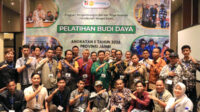
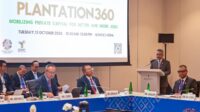
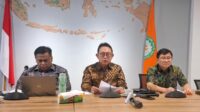
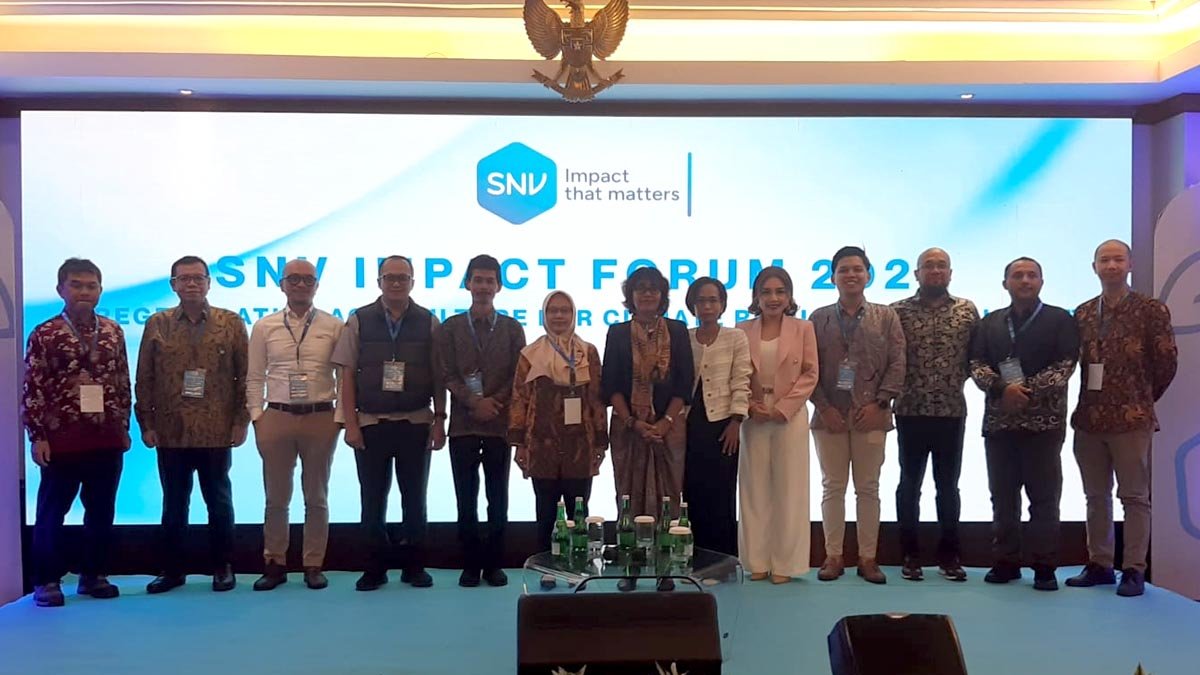
The issue took center stage at the SNV Impact Forum 2026, held in Jakarta on Thursday (July 16) under the theme “Regenerative Agriculture for Climate Resilience Livelihood.” The forum brought together policymakers, industry leaders, development partners, and farming communities to discuss practical solutions and accelerate the implementation of regenerative farming practices across Indonesia.
Speaking at the event, SNV Indonesia Country Director Putra Agung emphasized that sustainability has evolved from an aspiration into a shared responsibility for securing the future of agriculture.
Also Read: Musim Mas, L3F, SNV Indonesia, and ICRAF Enhance Smallholder Capacity with BIPOSC Initiative
“SNV aims to build partnerships that go beyond discussions. We want to work together with farmers and partners to create tangible impact on the ground,” Putra Agung said during the forum, attended by Palmoilmagazine.com.

He expressed hope that the SNV Impact Forum would become an annual platform for fostering cross-sector collaboration and supporting Indonesia’s transition toward a more sustainable, climate-resilient agricultural system.
A similar message was delivered by Jarot Indarto, Director of Food and Agriculture at Indonesia’s Ministry of National Development Planning (Bappenas). He stressed that achieving the food self-sufficiency targets outlined in the 2025–2029 National Medium-Term Development Plan (RPJMN) will depend heavily on strong multi-stakeholder cooperation.
According to Jarot, the government cannot accomplish these goals alone. Partnerships involving government agencies, businesses, academia, civil society organizations, and farmers are essential to accelerating the transformation of Indonesia’s agricultural sector.
“Food self-sufficiency is one of the key priorities of the 2025–2029 RPJMN, and it can only be achieved through collaboration among all stakeholders,” he said.
Also Read: From Soil Health to Higher Yields: Regenerative Agriculture and the Future of Smallholder Oil Palm
Jarot added that initiatives such as the SNV Impact Forum 2026 play a crucial role in strengthening partnerships, encouraging innovation, and driving collective action to build a more productive, sustainable, and climate-adaptive agricultural system in Indonesia. (P3)