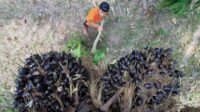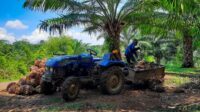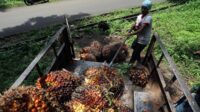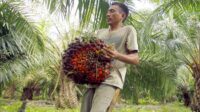
PALMOILMAGAZINE, JAKARTA – Regenerative agriculture is gaining momentum as a promising approach to improving the sustainability of Indonesia’s palm oil sector. With oil palm plantations spanning from Sumatra to Papua, adopting more environmentally responsible farming practices is expected to enhance farmers’ livelihoods while preserving long-term land productivity.
Industry stakeholders agreed that the successful implementation of regenerative agriculture depends on close collaboration among smallholder farmers, companies, development organizations, and other key stakeholders.
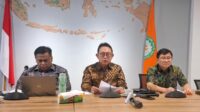
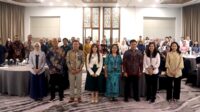
Speaking at the SNV Impact Forum 2026 in Jakarta on Thursday (July 16), Syahrianto, a representative of the Labuhan Batu Independent Oil Palm Smallholders Association, said regenerative farming practices have already been implemented by members of the association, demonstrating that the concept is practical and scalable at the smallholder level.
Also Read: SNV Impact Forum 2026 Calls for Stronger Partnerships to Scale Regenerative Agriculture
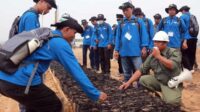
“We have already implemented regenerative agriculture on our oil palm plantations in Labuhan Batu. It is a real example of how the concept can work on the ground,” he said.
Syahrianto also invited forum participants to visit the plantations in Labuhan Batu to observe firsthand how regenerative farming practices are being applied.
Meanwhile, Dani Rahardian, Senior Palm Oil Advisor at SNV, noted that expanding regenerative agriculture presents different challenges for corporate plantations and smallholder farms. Factors such as land size, farm management capacity, and operational characteristics influence how regenerative practices can be adopted.
Also Read: GAPKI: Indonesia’s Palm Oil Output Slips in May 2026, but CPO Stocks Rise to 3.04 Million Tons
Despite these challenges, SNV is committed to scaling up regenerative agriculture through collaborative initiatives that enable broader adoption across Indonesia’s palm oil landscape.
“SNV will continue working to scale up regenerative agriculture so that its benefits can reach more farmers and communities in the future,” Dani said.
A similar view was shared by Harry Puguh Sosiawan of Louis Dreyfus Company (LDC), who emphasized that strong partnerships between companies and oil palm smallholders are essential to accelerating the transition toward regenerative agriculture.
Also Read: KPBN July 15 CPO Offers Rise to IDR15,700/kg, All Tenders End Withdrawn
According to Harry, such collaboration will not only promote more sustainable farming practices but also improve productivity, strengthen farmers’ incomes, and support the development of a more resilient and sustainable palm oil supply chain. (P3)