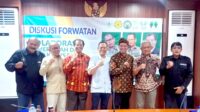
PALMOILMAGAZINE, PADANG — The Indonesian Palm Oil Association (GAPKI) West Sumatra chapter has raised objections to the imposition of Surface Water Tax (Pajak Air Permukaan/PAP) on oil palm plantations, particularly when the tax is calculated using rainfall-based formulas for plantation areas.
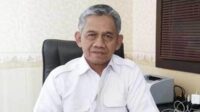
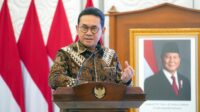
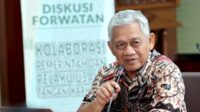
GAPKI West Sumatra Chairman Bambang Wiguritno emphasized that plantation companies and palm oil processors have consistently fulfilled their tax obligations to both the central and regional governments.
According to an official statement received by PalmOilMagazine on Thursday (August 20, 2026), the companies’ compliance is reflected in various awards and recognitions from the Directorate General of Taxes, the West Sumatra provincial government, and local administrations.
Also Read: GAPKI Accelerates ISPO Certification in West Kalimantan, Targets 100% Certified Members
Bambang said GAPKI West Sumatra does not object in principle to paying the Surface Water Tax, provided that its assessment and collection comply with applicable laws and regulations.
“We do not object to the obligation to pay the Surface Water Tax as long as it is imposed in accordance with the applicable laws and regulations,” Bambang said.
He explained that all palm oil mills that draw surface water from rivers have routinely paid the tax. Water is pumped directly from rivers, with the volume measured using flowmeters.
“All palm oil mills that use surface water make monthly Surface Water Tax payments because the water is taken from rivers through pumps equipped with flowmeters,” he said.
GAPKI Says Tax Should Be Based on Actual, Measurable Water Extraction
GAPKI West Sumatra argues that the Surface Water Tax should only apply when there is actual and measurable extraction and utilization of surface water.
Bambang said the government has so far referred to SDA-BK (water resources–construction development) measurements, whereas the calculation should instead be based on instantaneous water discharge.
Also Read: West Sumatra FFB Prices Drop to IDR 3,942.33/kg in August 2026
Against this backdrop, he questioned the legal basis for imposing the Surface Water Tax on oil palm plantation areas based on rainfall calculations. In his view, such a mechanism does not meet the elements of a taxable object as stipulated under the prevailing regulations.
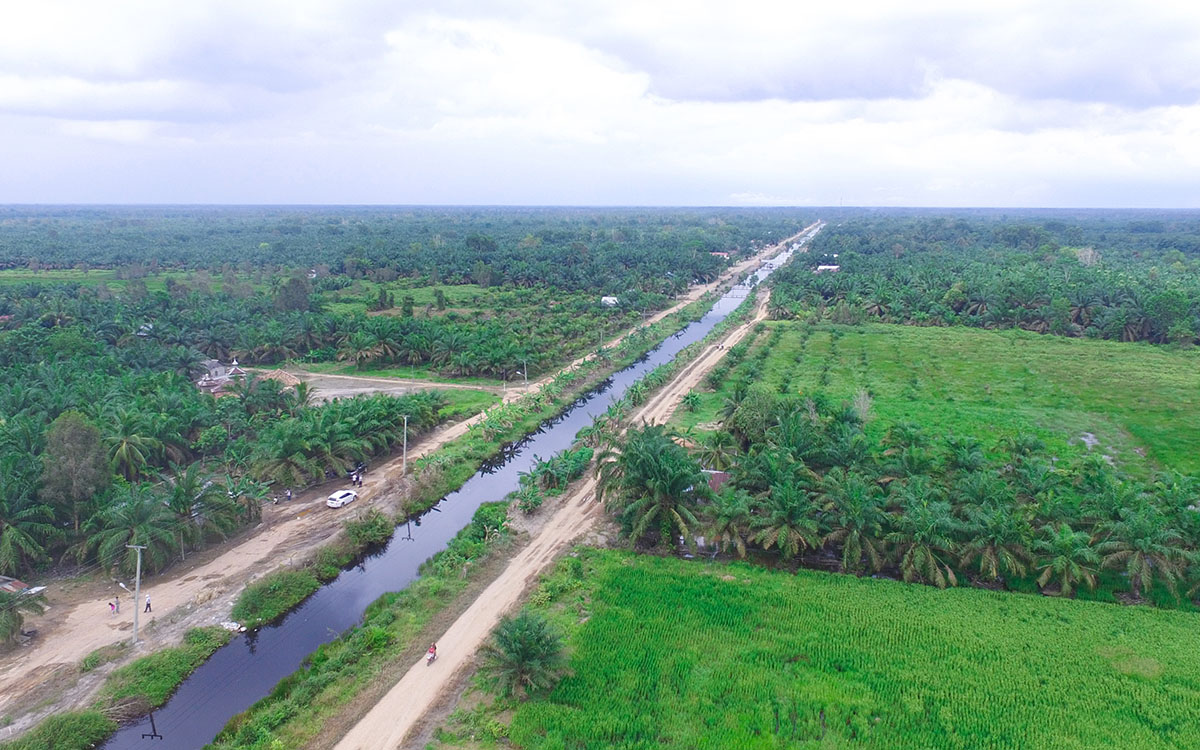
The same issue, he said, applies to canals and drainage ditches within plantation areas. These structures primarily function as drainage systems rather than facilities for extracting or utilizing surface water.
“Likewise, canals and ditches in plantations, which in our view function only as drainage channels rather than water abstraction facilities, are also regulated under the Ministry of Environment’s regulations,” Bambang said.
Also Read: APHI-GAPKI Urge Joint Protocol to Speed Up Forest and Land Fire Response
Bambang referred to Article 1 point 52 of Law No. 1/2022 on Financial Relations between the Central Government and Regional Governments (HKPD), which defines the Surface Water Tax as a levy on the extraction and/or utilization of surface water.
Article 29 of the HKPD Law further stipulates that individuals or entities extracting and/or utilizing surface water are subject to and liable for the tax. Meanwhile, Article 30 states that the tax base refers to the acquisition value of surface water, one component of which is based on the volume of water extracted.
According to Bambang, these provisions indicate that a measurable volume of water must actually be extracted to serve as the basis for taxation.
Also Read: KPBN Inacom CPO Price Falls to IDR 15,888/kg on August 21, 2026, as Malaysia Futures Rally
“This means there must be a volume of water that is actually extracted and can be measured. Without the act of extracting or utilizing water, there is no taxable object, and without a taxable object, there is no tax liability,” he stressed. (P2)