BPDP, the Directorate General of Plantations, and Koompasia Enviro Institute strengthen smallholders’ capacity on ISPO standards, sustainable plantation governance, and certification requirements.
PALMOILMAGAZINE, MEDAN — A total of 87 independent oil palm smallholders from Aceh Singkil Regency participated in training on the implementation of the Indonesian Sustainable Palm Oil (ISPO) standard, as part of efforts to strengthen smallholders’ readiness to meet sustainable palm oil governance requirements.
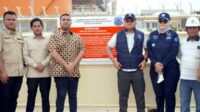
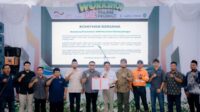
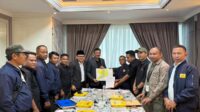
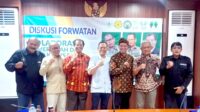
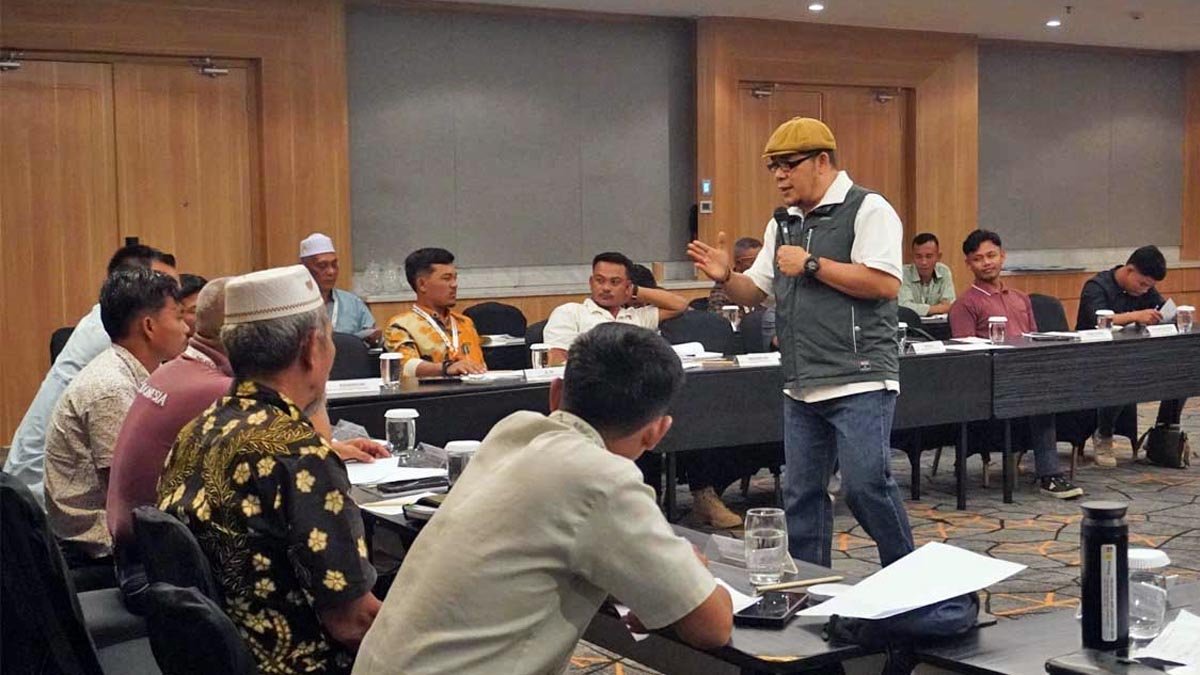
Held from August 10–15, 2026, at the AIHO Hotel in Medan, the training was conducted under the Human Resources Development Program for Oil Palm Plantations (SDM PKS), supported by the Plantation Fund Management Agency (BPDP) in collaboration with the Directorate General of Plantations (Ditjenbun) under the Ministry of Agriculture.
Also Read: GAPKI Accelerates ISPO Certification in West Kalimantan, Targets 100% Certified Members
The training was organized by PT Koompasia Enviro Institute and involved 87 participants divided into three groups.
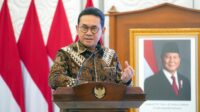
The program was officially opened on August 10, 2026, by the Head of the Aceh Agriculture and Plantation Agency, represented by Mukhlis, Head of the PPSDMPP Division.
Mukhlis said meeting ISPO principles and criteria remains a major challenge for independent smallholders, including those in Aceh. Strengthening human resource capacity, therefore, is essential to help smallholders understand the various requirements they must fulfill.
Also Read: Four KAS Group Subsidiaries Earn ISPO Certification, Full Certification Targeted for 2027
“Meeting ISPO principles and criteria is one of the challenges facing independent smallholders in Aceh. This training is one answer to improving their understanding and capabilities in responding to these requirements,” he said in an official statement received by PalmOilMagazine on Thursday (August 20, 2026).
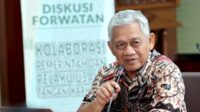
PT Koompasia Enviro Institute Director Henry Marpaung said the training was not merely focused on delivering information about ISPO standards. More importantly, participants were expected to become agents of change within their respective smallholder groups and organizations.
The program was designed to develop smallholder champions—farmers with a deeper understanding of ISPO implementation who can encourage improvements in plantation governance in their respective regions.
Also Read: North Konawe Accelerates Smallholder Registration to Expand STDB and ISPO Certification
“This training is designed to develop smallholder representatives who have a better understanding of ISPO for smallholders. They are expected to become farmer champions who can serve as pioneers in their respective areas in pursuing ISPO certification,” Henry said.
The participation of Aceh Singkil smallholders in the Medan training is expected to generate benefits beyond individual knowledge. Participants are encouraged to bring the knowledge and experience gained back to their farmer groups, cooperatives, and smallholder organizations to accelerate preparations for ISPO certification.
Acting Head of the Aceh Singkil Plantation Agency Nirwana Angkat welcomed the training. She said the program provided an important opportunity for smallholders who have long needed more practical guidance on the steps required to meet ISPO principles and criteria.
Also Read: SPKS Backs North Konawe’s Sustainable Palm Oil Roadmap with Focus on Smallholder STDB and ISPO
She described the training as a much-needed response for Aceh Singkil smallholders amid growing demands for sustainable palm oil governance.
“This training provides much-needed support for smallholders facing ISPO requirements. We hope it will make them better prepared to meet the requirements and move toward ISPO certification,” she said.
For independent smallholders, achieving certification involves more than understanding the standard itself. Other aspects must also be prepared, including land legality, institutional strengthening, good agricultural practices, environmental management, and the completion of required documentation.
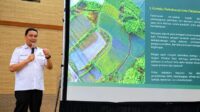
Koompasia ISPO Senior Master Trainer Salmon Jefri Hutagalung explained that the training methodology was designed to make the material easier for smallholders to understand.
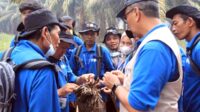
Participants did not simply receive theoretical presentations in the classroom. They also took part in interactive discussions, practical exercises, and field activities to observe the implementation of ISPO principles firsthand.
“The training uses an approach that is easy for smallholders to understand in fulfilling ISPO principles and criteria. Participants not only receive classroom instruction but also take part in interactive discussions, classroom exercises, and field practices,” Salmon explained.
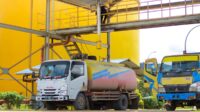
Through the field activities, participants were able to observe sustainable plantation governance practices at smallholder organizations that have implemented principles aligned with ISPO standards. The approach is expected to narrow the gap between classroom learning and the real challenges faced by smallholders.
One participant, Udut Parulian Berutu, said the training had significantly improved his understanding of ISPO. He said the material helped participants understand the stages and preparations required by smallholder organizations seeking certification.
“After taking part in this training, my understanding of ISPO has improved. I am also committed to completing the ISPO certification process, at least for the smallholder organization that I lead,” he said. (P2)