
Training in Medan equips independent oil palm smallholders with practical knowledge on ISPO standards, institutional strengthening, sustainable plantation practices, and certification readiness.
PALMOILMAGAZINE, MEDAN — Strengthening the capacity of independent oil palm smallholders is becoming increasingly important as Indonesia accelerates the implementation of sustainable plantation practices. In this effort, 87 independent smallholders from Aceh Singkil Regency participated in an Indonesian Sustainable Palm Oil (ISPO) implementation training program in Medan, North Sumatra.
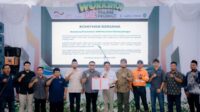
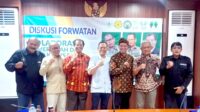
The training, held on August 10–15, 2026, at AIHO Hotel Medan, was organized by PT Koompasia Enviro Institute through the Palm Oil Plantation Human Resources Development Program (SDM PKS). The program was supported by the Plantation Fund Management Agency (BPDP) in collaboration with the Directorate General of Plantations (Ditjenbun).
Also Read: 87 Aceh Singkil Palm Oil Smallholders Trained to Prepare for ISPO Certification
The participants were divided into three training batches. The program focused on introducing the principles and criteria of ISPO while providing practical guidance on the preparations needed to implement the standard at both plantation and institutional levels.
For independent smallholders, preparing for ISPO certification involves much more than fulfilling administrative requirements. It requires improvements in legal compliance, farmer institutions, good agricultural practices, environmental management, social aspects, and systematic record-keeping.
Bridging Knowledge and Practice
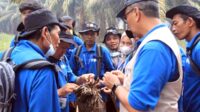
The training adopted an interactive learning approach to help participants understand how ISPO requirements can be applied in their own plantations. Classroom sessions were complemented by discussions, experience-sharing sessions, and practical exercises addressing challenges commonly encountered by independent smallholders.
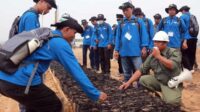
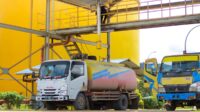
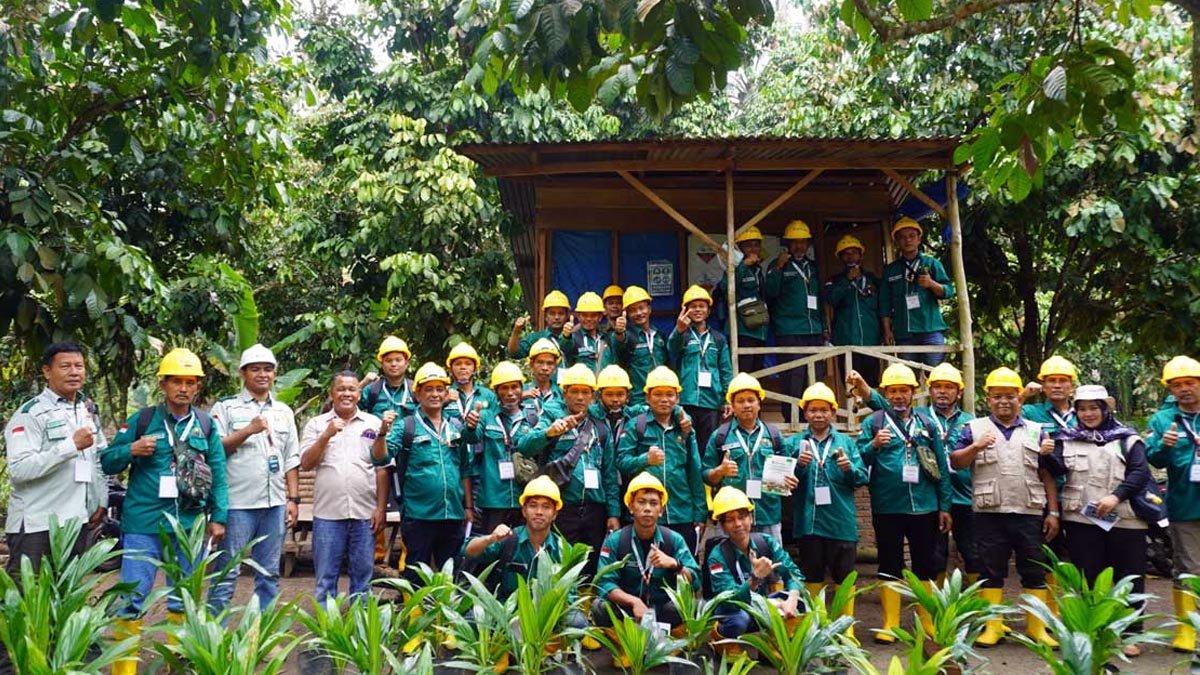
A field visit was also organized to a farmer institution in Sipispis District, Serdang Bedagai Regency, North Sumatra. During the visit, participants observed how ISPO principles and criteria were implemented at the field level.
Also Read: SPKS Backs North Konawe’s Sustainable Palm Oil Roadmap with Focus on Smallholder STDB and ISPO
The field experience gave the Aceh Singkil smallholders a clearer picture of how sustainability requirements can be incorporated into routine plantation management. It also allowed participants to compare the practices they observed with the conditions and challenges they face in their own areas.
Institutional strengthening was another important component of the program. ISPO certification requires collective commitment and cannot depend solely on the management of a farmer group or cooperative.
Strong participation from members is needed to improve legal documentation, administrative systems, cultivation practices, environmental management, and plantation records.
Also Read: GAPKI Accelerates ISPO Certification in West Kalimantan, Targets 100% Certified Members
The trainers involved in the program brought practical experience in assisting independent smallholders through the ISPO certification process. Their experience helped participants identify common obstacles and discuss solutions that can be adapted to local conditions.
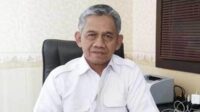
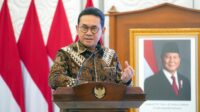
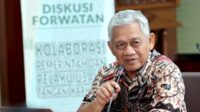
Mukhlis, Head of the Plantation and Agricultural Human Resources Development Division at the Aceh Agriculture and Plantation Office, said meeting ISPO principles and criteria remains a significant challenge for independent smallholders in Aceh.
He emphasized that capacity-building is essential to equip farmers with the knowledge and practical skills needed to prepare for certification.
Also Read: BPDP and Ditjenbun Strengthen Palm Mapping Skills for Independent Smallholders
Creating Farmer Champions
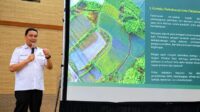
PT Koompasia Enviro Institute Director Henry Marpaung said the program was designed not only to improve participants’ understanding of ISPO but also to develop farmer champions who can drive change within their respective communities.
“Farmer champions are expected to become pioneers who can share their knowledge and encourage other smallholders to improve plantation management,” he said.
Also Read: South Sumatra Prepares 66,000 Hectares for Palm Oil Expansion, Farmers Urged to Benefit
The participants are expected to take the knowledge and experience gained during the training back to their respective farmer institutions. This approach is intended to ensure that preparations for ISPO certification continue beyond the training room and gradually reach a wider group of smallholders.
For Aceh Singkil’s independent smallholders, the training represents an important step toward improving plantation governance and preparing for ISPO certification.
More importantly, the program is expected to produce local champions capable of translating sustainability principles into practical action—from strengthening farmer institutions and improving plantation administration to adopting better cultivation practices and maintaining proper records.
With stronger capacity and collective commitment, independent smallholders can be better positioned to meet ISPO requirements while building a more productive, responsible, and sustainable oil palm sector in Aceh. (P2)