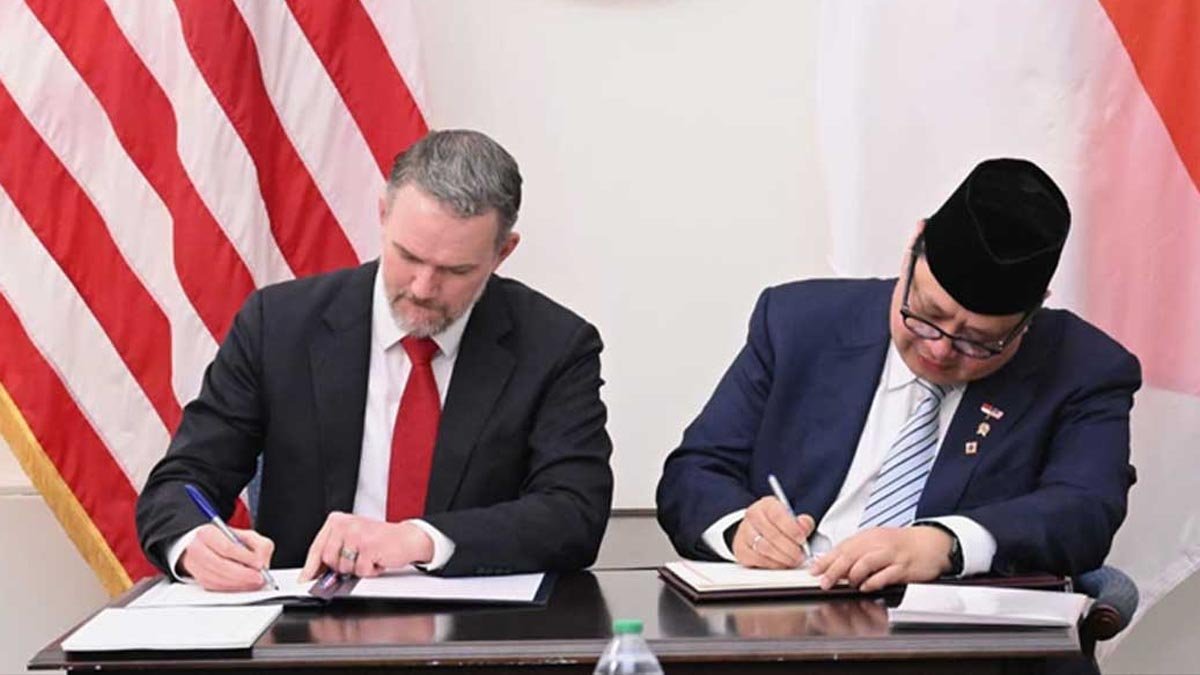
PALMOILMAGAZINE, JAKARTA – Indonesia and the United States have finalized a bilateral trade agreement that reduces US import tariffs on Indonesian products to 19%, down from the previous 32%. A key outcome of the deal is the elimination of tariffs on several of Indonesia’s leading export commodities, including palm oil.
The agreement was signed in Washington by Coordinating Minister for Economic Affairs Airlangga Hartarto and United States Trade Representative (USTR) Jamieson Greer, following months of negotiations.
“This agreement respects the sovereignty of both nations and delivers a mutually beneficial solution,” Airlangga said during a virtual press conference.
Also Read: KPBN and Bursa Malaysia CPO Prices Strengthen Amid Rising Crude Oil Prices and Middle East Tensions
Palm oil stands out as one of the strategic commodities granted duty-free access under the deal. The sector contributes roughly 9% of Indonesia’s total exports. In addition to palm oil, other Indonesian exports such as coffee, cocoa, rubber, and spices will also enjoy zero-tariff entry into the US market.
The 19% tariff framework places Indonesia on par with several Southeast Asian countries—including Malaysia, Cambodia, Thailand, and the Philippines—that have secured similar arrangements with the US. Vietnam faces a slightly higher tariff rate of 20%.
For Indonesia, the agreement comes at a critical time. Since early 2026, the domestic market has faced mounting pressures, including a warning from global index provider MSCI regarding a potential downgrade of Indonesia’s stock market status to “frontier” due to transparency concerns, as well as a revised credit outlook from Moody’s highlighting policy uncertainties.
Also Read: Central Kalimantan FFB Prices Rise IDR 3,476.49/kg in Early February 2026
CSIS Indonesia Executive Director Yose Rizal Damuri noted that the trade pact could strengthen investor confidence if leveraged as a platform for broader policy reform.
“If Indonesia uses the commitments within this agreement as momentum for further deregulation, confidence in the national investment climate could significantly improve,” he said, as quoted by Palmoilmagazine.com from Free Malaysian Today on Sunday (February 22, 2026).
As part of the implementation, Indonesia has agreed to reduce tariff barriers on most US-origin products across multiple sectors. The government will also adjust certain non-tariff measures, including local content requirements (TKDN).
Also Read: APKSM Strengthens Smallholder Readiness for ISPO and RSPO Certification in West Kotawaringin
In addition, Indonesia will adopt US product standards in selected sectors, including vehicle safety and emissions, medical devices, and pharmaceuticals.
The agreement also encompasses strategic cooperation in critical minerals such as nickel, cobalt, bauxite, copper, and manganese. Indonesia has committed to ensuring that foreign-owned mineral processing facilities operate within national mining quotas to prevent overproduction.
At the same time, the government is opening greater opportunities for US investment in critical minerals and energy, including accelerating the development of the domestic rare earth metals industry.
The trade agreement is set to take effect within 90 days, pending the completion of necessary legal procedures in both countries. The government describes the deal as a strategic move to strengthen economic security and long-term growth for both nations.
President Prabowo Subianto, who was present in Washington, also signed a cooperation document titled Implementation of the Agreement Toward a New Golden Age for the US–Indonesian Alliance. Companies from both countries have reportedly secured business contracts worth US$38.4 billion to support the implementation of the partnership. (P2)