Rising demand for edible oils, declining domestic oilseed production, and increasing reliance on imports pushed Pakistan’s palm oil purchases to a record high, while new tax measures are expected to drive up cooking oil and ghee prices.
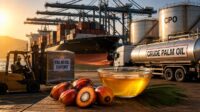
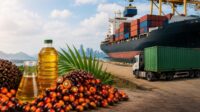
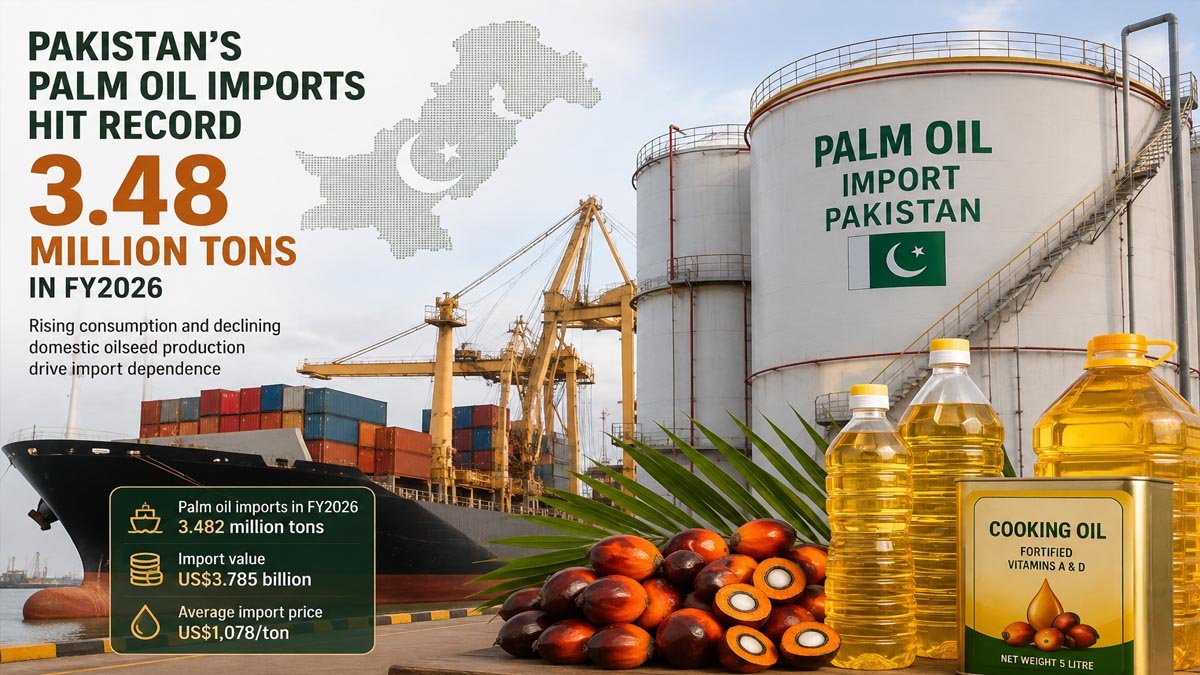
PALMOILMAGAZINE, Pakistan — Pakistan imported a record 3.482 million metric tons of palm oil during fiscal year (FY) 2026, valued at US$3.785 billion, as growing consumption of cooking oil and ghee, coupled with declining domestic oilseed production, further increased the country’s dependence on imported vegetable oils.
According to data from the Pakistan Bureau of Statistics (PBS), cited by PalmOilMagazine from ProPakistani, palm oil imports increased from 3.214 million tons worth approximately US$3.4 billion in FY2025.
Also Read: Pakistan’s Flour and Edible Oil Industries Roll Out Ramadan Relief Package Across Punjab
Import prices also edged higher during the period. The average import price reached approximately US$1,078 per metric ton in FY2026, compared with US$1,056 per metric ton a year earlier.
Sheikh Umer Rehan, Chairman of the Pakistan Vanaspati Manufacturers Association (PVMA), said the increase reflected rising domestic consumption that can no longer be met by local production.
Pakistan’s annual edible oil consumption has climbed to approximately 4.8 million metric tons, up from around 4 million tons five years ago. Meanwhile, domestic production of oilseed feedstocks, particularly cottonseed, has continued to decline, forcing processors to rely increasingly on imported palm oil.
Also Read: From Palm Oil to Consumer Goods, Indonesian Brands Expand Across Pakistan’s Retail Shelves
Despite the sector’s continued expansion, Rehan said Pakistan still lacks a comprehensive long-term policy to support the edible oil industry.
He noted that since the country’s independence, no integrated national policy has been introduced to provide a sustainable development roadmap for the sector.
At the same time, the industry is facing fresh challenges from changes to Pakistan’s tax regime that are expected to increase production costs.
Also Read: Indonesia Cuts August CPO Reference Price to USD 996.52/MT as Export Charges Adjust
Rehan criticized the Federal Board of Revenue (FBR) for shifting the General Sales Tax (GST) assessment from the ex-mill price to the Maximum Retail Price (MRP) system. He argued that the new mechanism would increase administrative complexity and compliance costs for manufacturers.
“Instead of creating a more business-friendly environment and reducing the cost of doing business, this policy introduces additional complications for taxpayers,” he said.
The PVMA estimates that the new tax framework, introduced under the FY2027 federal budget, will increase retail prices of ghee and cooking oil by approximately PKR 10–15 per kilogram.
Also Read: CPO Prices at KPBN Inacom Rise to IDR 15,650/kg Despite Weaker Malaysian Palm Oil Futures
The expansion of the budget’s Third Schedule requires GST to be calculated based on the maximum retail price, a move that industry players believe will significantly increase the tax burden across the sector.
The association has previously urged the government to reduce taxes on cooking oil and ghee to help preserve consumers’ purchasing power amid rising edible oil demand.
Official data from Pakistan’s Sensitive Price Index (SPI) also shows that retail prices have continued to rise over the past year. Five-liter packs of cooking oil are now priced between PKR 2,975 and PKR 3,110, compared with PKR 2,800–3,000 during the same period last year.
Also Read: Indonesia’s Palm Oil Export Policy Spurs India’s Push for Edible Oil Self-Sufficiency
Meanwhile, 2.5-kilogram packs of ghee now retail at around PKR 1,500–1,565, up from PKR 1,425–1,485 a year earlier. One-kilogram packs have increased to PKR 590–610, compared with PKR 550–580 previously.
Pakistan’s record palm oil imports underscore the strategic importance of major exporting countries, particularly Indonesia and Malaysia, in meeting global vegetable oil demand. As Pakistan’s domestic consumption continues to expand, reliable supply and stable palm oil prices are expected to remain key factors shaping regional trade flows across Asia. (P2)