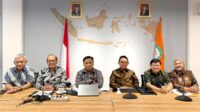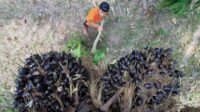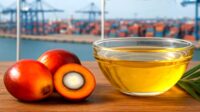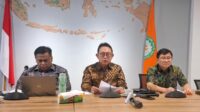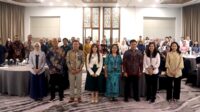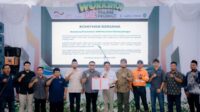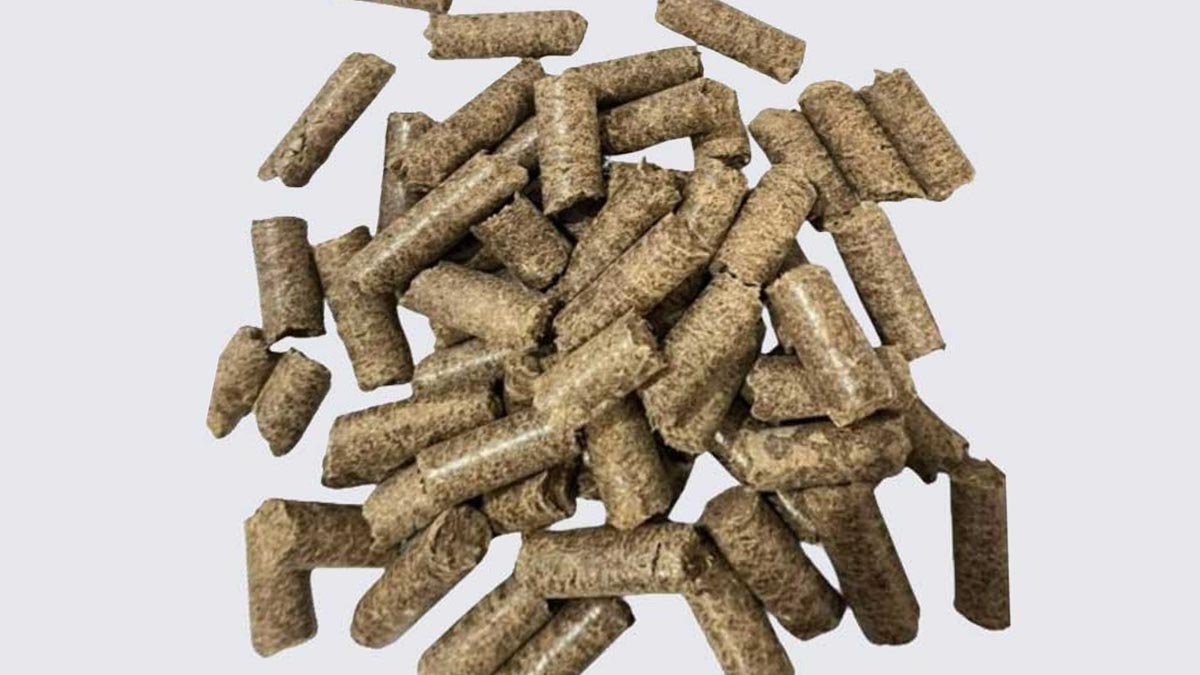
PALMOILMAGAZINE, LAMPUNG – The Faculty of Agriculture at Lampung University (Unila) is strengthening its contribution to the green energy transition through an international research partnership with South Korea-based Naysor Co., Ltd. The collaboration focuses on commercializing an innovative manufacturing process for biomass pellets produced from oil palm empty fruit bunches (EFB), turning a major plantation byproduct into a high-value renewable energy source.
The joint research aims to accelerate the downstream utilization of palm oil waste while supporting global efforts to reduce carbon emissions through cleaner, sustainable energy solutions.
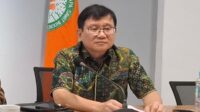
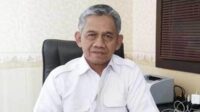
Leading the project is Prof. Udin Hasanudin, Chairman of the Joint Research Team and Professor at Unila’s Faculty of Agriculture. He said the initiative addresses growing global demand for cleaner energy by developing advanced technologies that improve the quality of biomass fuel derived from palm residues.
Also Read: Prabowo Launches B50 Biodiesel, Declares Indonesia First Nation to Mandate 50% Palm-Based Fuel Blend
“Our research introduces a wet ash removal technology to produce EFB-based ashless pellets—biomass pellets with exceptionally low ash content and superior combustion performance compared with conventional biomass pellets,” said Prof. Udin, as quoted by Palmoilmagazine.com, from Unila, on Thursday (July 9, 2026).
According to him, the pellets deliver a higher heating value while significantly reducing ash formation, making them more efficient as an industrial fuel.
“Lower ash content also minimizes operational problems in industrial boilers, particularly slagging and fouling, which often reduce efficiency and increase maintenance costs,” he added.
Also Read: Riau Raises Independent Smallholder Palm Fruit Prices, 9-Year-Old Trees Near IDR 3,800/kg
One of the major obstacles in utilizing empty fruit bunches as biomass fuel has been their high concentration of alkali minerals—including potassium, sodium, silica, and chlorine. These compounds contribute to scaling, corrosion, and deposits inside boilers, negatively affecting combustion efficiency and increasing operating expenses.
To overcome this challenge, the Unila research team developed a water-based leaching process as part of its wet ash removal technology. The process effectively dissolves and removes alkali minerals from EFB, substantially lowering ash content and producing biomass fuel better suited for industrial energy applications.
Beyond enhancing fuel quality, the innovation is expected to expand the commercial use of oil palm waste as an environmentally friendly renewable energy source with stronger competitiveness in international markets.
Also Read: Riau Raises Independent Smallholder Palm Fruit Prices, 9-Year-Old Trees Near IDR 3,800/kg
The partnership between Unila and Seoul-based Naysor Co., Ltd. also reflects growing international recognition of Indonesia’s research capabilities. More importantly, it demonstrates how academic research can be successfully translated into commercially viable technologies that create economic value while contributing to sustainable development and the broader adoption of palm biomass as an alternative energy source. (P2)