
Under the new strategic natural resource export framework, PT Danantara Sumberdaya Indonesia (DSI) will act as the sole export intermediary from January 1, 2027, while exporters retain control over buyer negotiations, commercial contracts and shipments.
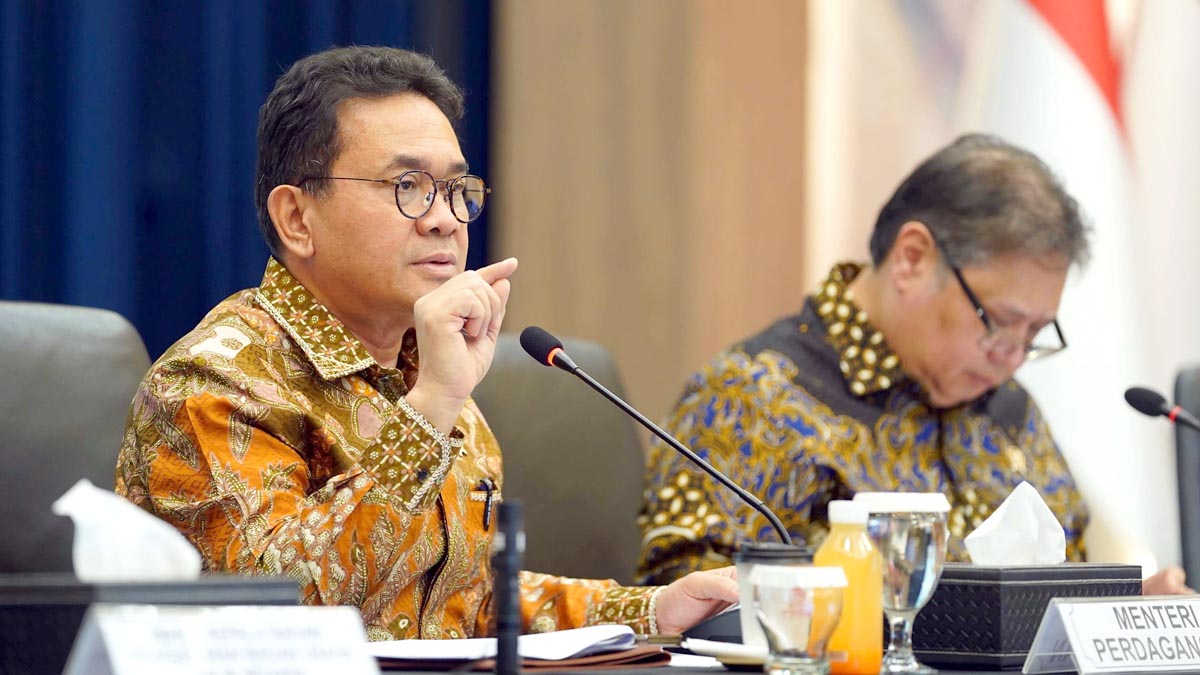
PALMOILMAGAZINE, JAKARTA — Indonesia’s new export governance framework for strategic natural resource commodities will not change the way exporters conduct their day-to-day business, Trade Minister Budi Santoso has said, stressing that companies will remain free to negotiate directly with overseas buyers, agree on commercial contracts and ship products as usual.
Under the policy, which will take full effect on January 1, 2027, PT Danantara Sumberdaya Indonesia (DSI) will serve as the sole intermediary for exports. However, Budi Santoso, widely known as Mendag Busan, said the arrangement would not alter existing commercial transactions or export procedures.
Also Read: Indonesia’s DSI Says Single Export Gateway Will Strengthen Palm Oil Trade Ahead of 2027 Launch
He made the remarks during a briefing on the implementation of the Foreign Exchange Earnings from Natural Resource Exports (DHE SDA) policy and the governance of strategic natural resource exports on Friday, November 6. The meeting was chaired by Coordinating Minister for Economic Affairs Airlangga Hartarto.
Other attendees included Bank Indonesia Senior Deputy Governor Aida Suwandi Budiman; Financial Services Authority (OJK) Banking Supervision Chief Executive and Commissioner Dian Ediana Rae; Deputy Finance Minister Nurkholisoh Ibnu Aman; Deputy Head of the State-Owned Enterprises Regulatory Agency (BP BUMN) Aminuddin Ma’ruf; and DSI President Director Luke Thomas Mahony.
“Starting January 1, 2027, PT DSI will become the sole export intermediary. Exporters will continue conducting their export activities as they do today. Negotiations and transactions between exporters and buyers will remain unchanged, as will export procedures,” Mendag Busan said, as quoted by PalmOilMagazine in an official statement on Tuesday, November 10, 2026.
Also Read: DSI Strengthens Indonesia’s Strategic Commodity Export Ecosystem Through Pilot Platform
Export Regulations to Be Adjusted
Mendag Busan said the Ministry of Trade had been reviewing export policies since June 2026 to accommodate changes introduced under Government Regulation No. 24 of 2026 on the Governance of Strategic Natural Resource Commodity Exports.
The ministry will continue conducting periodic evaluations to ensure the regulatory framework remains aligned with implementation requirements.
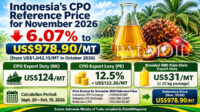
Also Read: Indonesia Cuts November 2026 CPO Reference Price 6.07% to US$978.90/MT, Sets Export Duty at US$124
“With the revision of the government regulation, Trade Minister Regulations No. 15, 16 and 17 of 2026 will also be adjusted. One additional requirement is that, once export licensing procedures at the Ministry of Trade have been completed, exporters will undergo a clearance process through PT DSI,” he said.
The three ministerial regulations cover exports of strategic commodities, including coal, palm oil and ferroalloys.
Under the new framework, exporters of these commodities must submit their contracts and all supporting customs documents to PT DSI through the NADI portal.
Also Read: Indonesia Sets November 2026 Biodiesel Price at IDR 14,312 per Liter, Excluding Transport
Existing export compliance requirements will remain in force. Palm oil exporters, for example, must continue to comply with the Domestic Market Obligation (DMO), while coal exporters must meet Registered Exporter (ET) requirements. Ferroalloy exports will remain subject to Surveyor Report (Laporan Surveyor or LS) obligations.
Registered Exporter Permits and DHE SDA
Mendag Busan also addressed the validity of Registered Exporter (ET) permits, which are currently set to expire on December 31, 2026. He urged businesses to follow the application and renewal requirements under the revised ministerial regulations once they come into effect.
For exporters holding ET permits issued before June 1, 2026, the validity period will automatically be extended under the revised regulations, based on the three-year permit term minus the period already elapsed.
Exporters whose ET permits were issued from June 1, 2026, onward, however, will need to submit new applications in accordance with the forthcoming regulations.
Regarding the DHE SDA policy, Santoso said the Ministry of Trade, together with relevant ministries and government agencies, had conducted a review to ensure the policy was consistent with Indonesia’s international trade agreement commitments.
The review also considered proposals to expand the list of countries exempted from the DHE SDA requirements.
Also Read: Indonesia Targets 90% of Plantation Exports to Be Processed Products as Downstream Push Accelerates
“We have jointly reviewed the proposal to add countries eligible for exemptions. The policy has taken into account its consistency with applicable international trade agreements. We hope Indonesia’s exports can continue to grow,” Santoso said.
At the same briefing, Coordinating Minister Airlangga Hartarto said the government remained committed to maximizing the use of the country’s natural resource wealth to improve public welfare.
The DHE SDA policy and the new governance framework for strategic natural resource exports form part of the government’s broader efforts to achieve that objective. (P3)