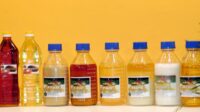
PALMOILMAGAZINE, JAKARTA – The Indonesian Oil Palm Smallholders Union or Serikat Petani Kelapa Sawit (SPKS) has called on President Prabowo Subianto’s administration to maintain the current retail price of MINYAKITA cooking oil, arguing that any increase would place an additional burden on households already struggling with rising living costs.
According to SPKS, Indonesian consumers are facing mounting economic pressures, including higher food prices, increasing fertilizer costs, and declining purchasing power. At the same time, oil palm smallholders continue to face lower returns for their harvests due to export-related charges, including export duties and levies imposed on palm oil products.
SPKS criticized the long-standing export duty and levy system introduced in 2015, claiming that its benefits have not been widely felt by ordinary Indonesians. The organization argued that revenue collected through palm oil export levies and managed by the Plantation Fund Management Agency or Badan Pengelola Dana Perkebunan Kelapa Sawit (BPDP) has been largely directed toward supporting the biodiesel program, with the primary beneficiaries being large palm oil companies that operate biodiesel facilities.
Also Read: MINYAKITA Price Cap Under Review as Government Recalculates Economic Costs
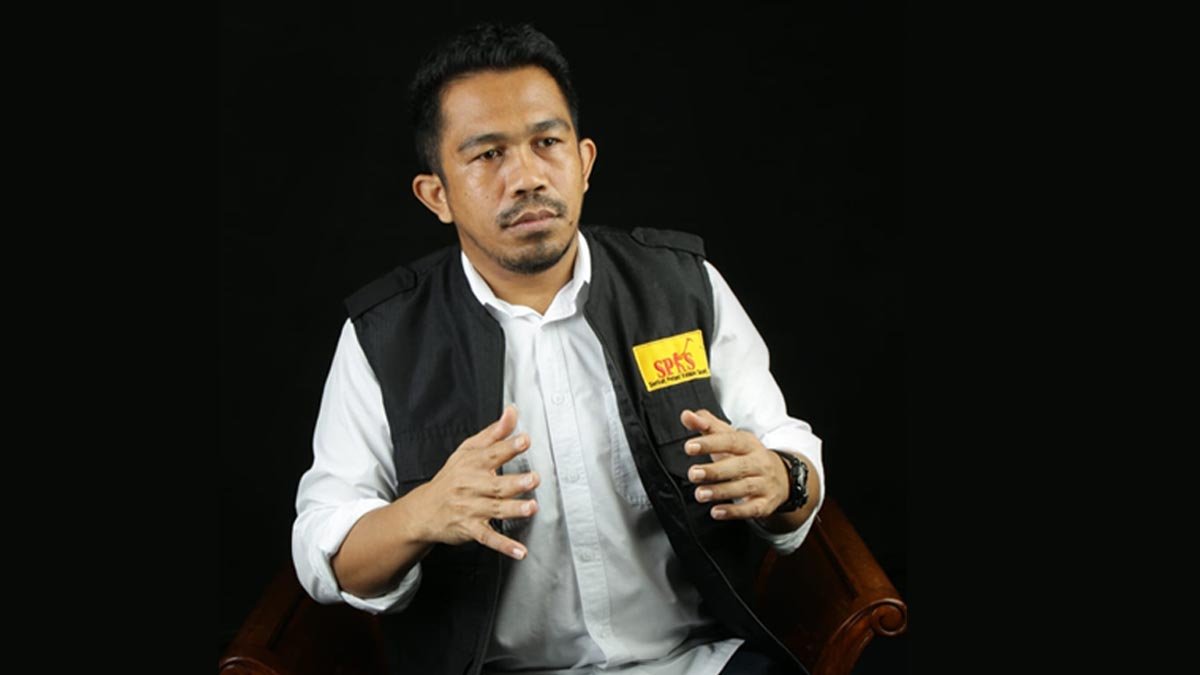
“We would like to remind policymakers that around 90% of the palm oil levy funds managed by BPDP have been allocated to biodiesel subsidies, which mainly benefit large palm oil industries with biodiesel plants,” SPKS Chairman Sabarudin said in an official statement received by Palmoilmagazine.com on Friday (June 5).
He added that the situation has created a long-standing imbalance in the distribution of benefits generated by the palm oil sector. According to SPKS, smallholders have borne a significant share of the economic burden through reduced fresh fruit bunch (FFB) prices, making it increasingly difficult for independent farmers to improve their livelihoods.
For this reason, SPKS urged the government to show greater concern for the economic challenges faced by Indonesian citizens. The organization stressed that MINYAKITA, which was introduced to provide affordable cooking oil to lower-income consumers, should remain accessible to those who need it most.
Also Read: SPKS Urges Swift Government Response as Palm Oil FFB Prices Fall Across Regions
“MINYAKITA is intended to support less fortunate members of society. Raising its price at a time when economic conditions remain challenging would only make life more difficult for many Indonesians,” Sabarudin said.
As an alternative to raising retail prices, SPKS proposed using funds from the palm oil export levy managed by BPDP to offset the impact of higher global crude palm oil (CPO) prices. The organization believes such an approach would help stabilize MINYAKITA prices while maintaining the government’s commitment to affordable cooking oil.
SPKS also called for greater transparency in the implementation of Domestic Market Obligation (DMO) and Public Service Obligation (PSO) policies related to cooking oil distribution. According to the group, transparent data on MINYAKITA production and distribution would enable the public to better understand actual funding requirements and ensure that support measures are properly targeted.
Also Read: DPR Calls for Transition Period Before Full Rollout of Palm Oil Export Reform
“If DMO and PSO data are made transparent, the public will be able to see the actual funding needed to keep MINYAKITA prices stable. Those funds could come from BPDP-managed export levy revenues rather than being concentrated among a limited number of large companies,” Sabarudin explained.
The organization further argued that prioritizing consumer welfare and supporting vulnerable groups would be consistent with President Prabowo’s Asta Cita development agenda, which emphasizes improving public welfare and strengthening economic resilience.
SPKS concluded by reiterating its opposition to any increase in MINYAKITA prices and urged policymakers to adopt measures that protect both consumers and smallholder farmers amid ongoing economic challenges. (P3)