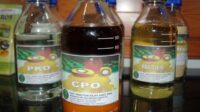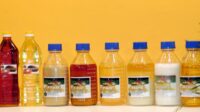
PALMOILMAGAZINE, JAKARTA – The Indonesian government is reviewing the Highest Retail Price (HET) for MINYAKITA cooking oil as changes in crude palm oil (CPO) prices and rising production costs have altered the product’s economic fundamentals.
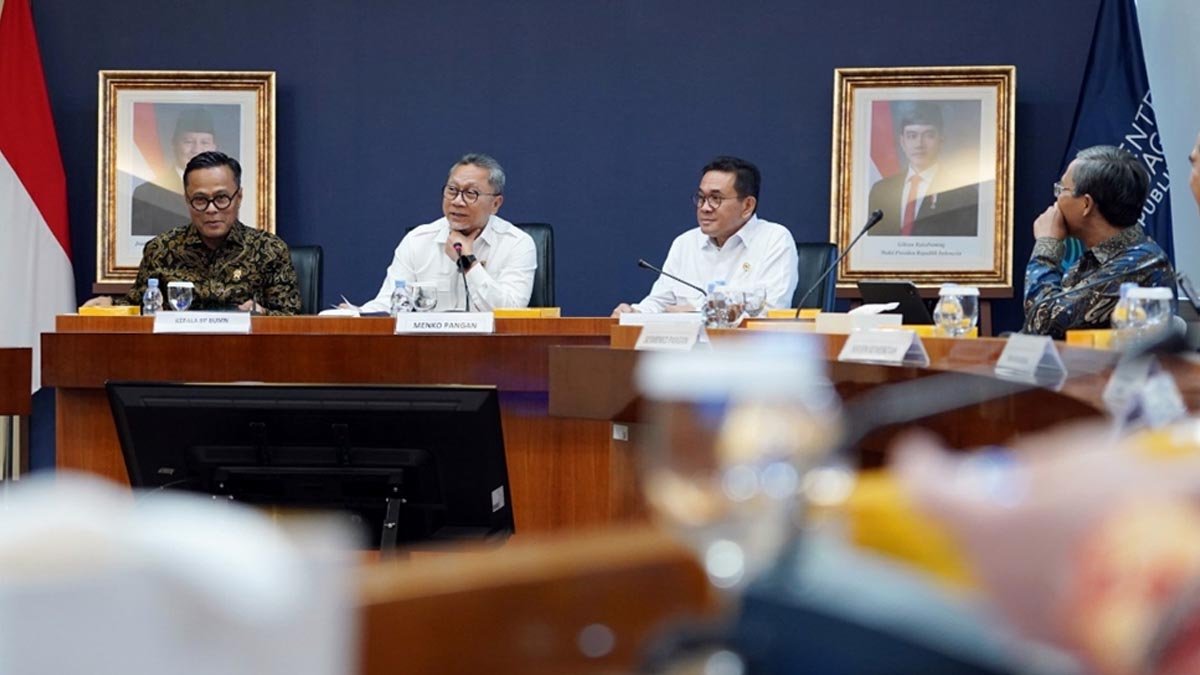
The proposal was discussed during a Limited Ministerial Coordination Meeting on Food Affairs held at the Ministry of Trade on Thursday (June 4, 2026), where government agencies agreed on the need to adjust the retail price ceiling for the popular cooking oil brand.
Trade Minister Budi Santoso said that while the government has reached a consensus on revising the HET, the final price adjustment and implementation timeline will depend on future developments in CPO prices.
Also Read: KPBN CPO Prices Rose to IDR15,075/kg on Thursday (June 4), While the Malaysia Exchange Closed Lower
“Today, we agreed on the need to adjust the HET for MINYAKITA. However, the exact price and implementation schedule will depend on the movement of CPO prices. We will continue monitoring the market before determining the new retail ceiling,” Budi Santoso said, in an official statement received by Palmoilmagazine.com on Thursday (June 4).
According to the minister, the government has already reassessed the economic value of cooking oil to support the proposed adjustment. Several factors have been taken into consideration, including raw material costs, production expenses, distribution costs, and packaging prices.
“The calculations have been prepared. CPO prices today are significantly different from when the current HET was established. Production, logistics, and packaging costs have also increased, so we need to recalculate the economic price level,” he explained,
Also Read: DPR Calls for Transition Period Before Full Rollout of Palm Oil Export Reform
MINYAKITA serves as a market intervention mechanism under Indonesia’s Domestic Market Obligation (DMO) policy. The program is designed to maintain domestic cooking oil supplies and stabilize prices when global palm oil prices rise.
The government emphasized that MINYAKITA is not a subsidized cooking oil product and does not rely on state budget funding. Supplies are sourced through the DMO scheme, while retail sales are regulated through the government-set HET. Distribution is primarily targeted at traditional markets to ensure affordable cooking oil remains accessible to consumers.
In addition to discussing MINYAKITA, the coordination meeting also reviewed developments in rice and egg prices. The government reaffirmed its commitment to maintaining food price stability through various measures, including the distribution of rice under the Food Supply and Price Stabilization (SPHP) program, low-cost food market initiatives, and food assistance programs.
Regarding eggs, Budi Santoso said the Ministry of Trade has coordinated with the National Nutrition Agency (BGN) to increase egg procurement as part of government nutrition programs. The move aims to support farmgate egg prices, which have weakened in several production centers.
“Recent field inspections in regions such as Blitar showed that egg prices have declined. We are coordinating with BGN to ensure Nutrition Fulfillment Service Units (SPPG) absorb more eggs, helping prices move closer to the government’s Reference Price and improving returns for poultry farmers,” he said.
As of June 4, 2026, data from the Ministry of Trade’s Market Monitoring and Basic Necessities Information System (SP2KP) showed that the national weighted average consumer price for chicken eggs stood at IDR 27,916 per kilogram, below the government’s reference price of IDR 30,000 per kilogram.
Also Read: Indonesia Warns Palm Oil Mills Over FFB Underpricing, Threatens License Revocations
The meeting was chaired by Coordinating Minister for Food Affairs Zulkifli Hasan and attended by senior officials from various government institutions, including State-Owned Enterprises Governance Agency Head Dony Oskaria, Perum BULOG Vice President Director Marga Taufiq, and representatives from the Ministry of Industry, Ministry of Agriculture, National Food Agency, Statistics Indonesia, the Financial and Development Supervisory Agency, and the Presidential Staff Office. (P3)