PALMOILMAGAZINE, JAKARTA – The Serikat Petani Kelapa Sawit (SPKS) has welcomed the government’s plan to expand cooperatives’ role in Indonesia’s palm oil industry but is calling for independent smallholder cooperatives to be fully included in the initiative.
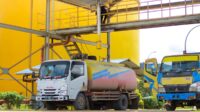
The government is preparing to promote cooperative-owned downstream facilities, including mini palm oil mills and cooking oil processing plants, as part of efforts to increase value addition and strengthen the participation of farmers across the palm oil supply chain.
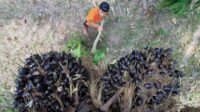
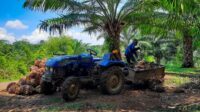
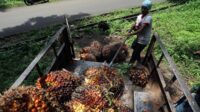
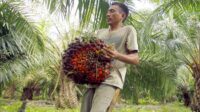
According to SPKS, most independent smallholders still rely on selling fresh fruit bunches (FFB) to traders and intermediaries, limiting their bargaining power and leaving much of the industry’s value added concentrated in downstream businesses.
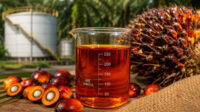
The organization believes cooperative-led downstream development would enable farmers to capture a larger share of the economic benefits from processed palm oil products. It would also mark an important step in transforming smallholder plantations, allowing farmers to move beyond supplying raw materials and become active participants in the processing industry.
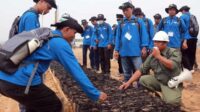
SPKS noted that independent and smallholder plantations account for approximately 41% of Indonesia’s total oil palm plantation area and are managed by around 2.9 million independent farmers. Despite their significant contribution, farmers continue to face limited access to processing facilities and palm oil marketing channels.
By developing cooperative-based processing industries, SPKS said farmers could increase their incomes while strengthening their bargaining position in both domestic and international palm oil markets.
Also Read: Indonesia Targets Higher Palm Oil Productivity and Downstream Growth in 2026
The organization also emphasized that stronger cooperatives would improve farmers’ economic institutions. Many producer cooperatives continue to struggle with limited access to financing, making it difficult to compete with larger companies that dominate the palm oil value chain.
While supporting the government’s downstream agenda, SPKS cautioned against limiting the program solely to the government-backed Red and White Cooperatives (Koperasi Merah Putih). Instead, it urged policymakers to provide equal opportunities for existing independent smallholder producer cooperatives as well as newly established farmer-owned cooperatives across the country.
SPKS argued that an inclusive approach is essential to ensure long-standing farmer cooperatives are not overlooked. The organization added that discussions with farmer groups regarding the program’s technical design and implementation have yet to take place.
Also Read: Prabowo Launches B50 Biodiesel, Declares Indonesia First Nation to Mandate 50% Palm-Based Fuel Blend
As part of the rollout, SPKS proposed that the government launch annual pilot projects involving farmer cooperatives with proven governance standards and institutional readiness. Successful pilot programs could then serve as models for wider replication across Indonesia.
The union added that the success of cooperative-based downstream development will largely depend on accessible financing mechanisms tailored to the needs of farmer cooperatives. Pilot projects would provide an opportunity to test financing models, business governance, and policy support before nationwide implementation.
Also Read: Bahlil: B50 Biodiesel Will Drive Palm Oil Demand and Bolster Energy Independence
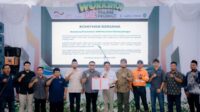
To further advance the transformation of Indonesia’s smallholder palm oil sector, SPKS, together with several farmer organizations and civil society groups, is preparing the 2026 National Smallholder Plantation Conference, which will discuss cooperative-based downstream development and formulate policy recommendations to ensure the transformation is inclusive, effective, and sustainable. (P2)