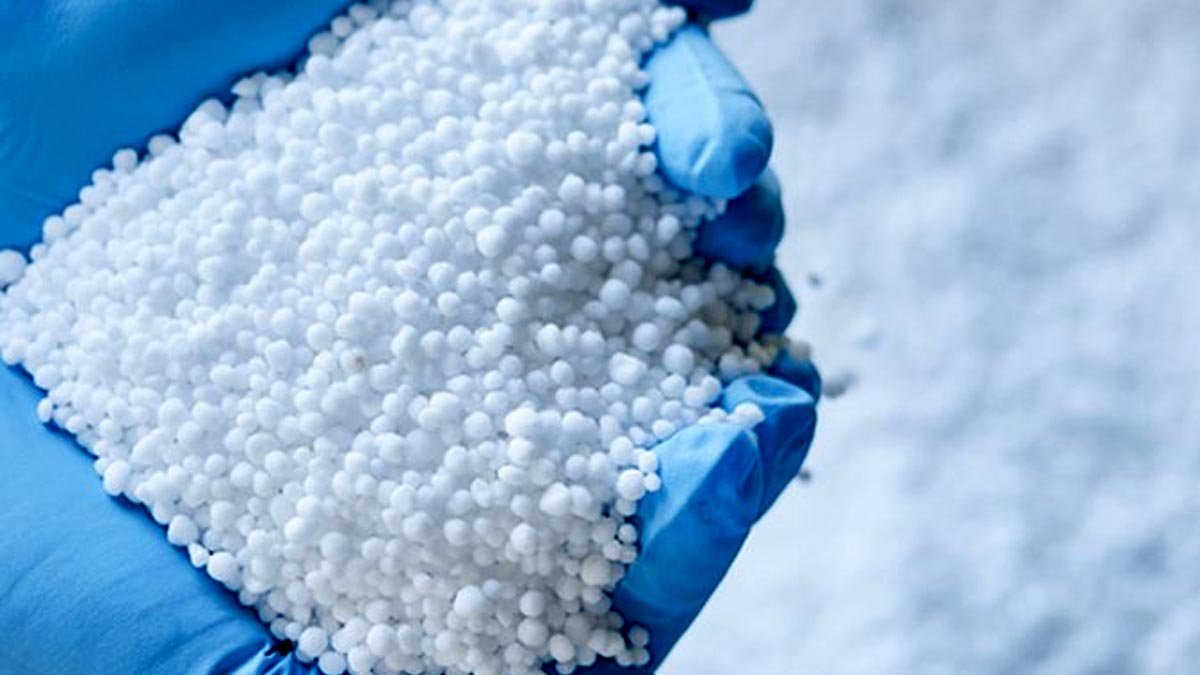
PALMOILMAGAZINE, MUMBAI – A surge in global fertilizer demand triggered by geopolitical tensions in the Middle East has prompted India to increase its urea imports to 2.5 million metric tons, creating fresh export opportunities for Indonesia amid tightening global supply.
According to The Times of India, on Wednesday (April 8, 2026), state-owned Indian Potash Limited (IPL) issued a tender to import 1.5 million tons of urea via India’s western ports, with an additional 1 million tons planned through the eastern region.
This move is part of India’s strategic effort to secure fertilizer supplies ahead of its main planting season, which begins in June alongside the arrival of the monsoon.
Also Read: Global CPO Prices Under Pressure on Friday (April 10), KPBN Tender Ends in Another Withdrawal
Global Supply Disruptions Pressure India’s Production
The import surge follows disruptions in global energy supply linked to the Middle East conflict, which has directly impacted India’s domestic urea production. Limited availability of natural gas—an essential raw material—has significantly reduced output.
The Indian government estimates that the Gulf region accounts for 20–30% of its urea imports and nearly 50% of its LNG supply, making the fertilizer sector highly vulnerable to geopolitical shocks.
Also Read: PTPN IV PalmCo Leads Pilot of Tanzanian Pollinators to Enhance Palm Oil Yields
India’s urea production reportedly dropped by around 600,000 to 700,000 tons per month at one point. Although gas supply has begun to stabilize, imports remain necessary to bridge the domestic shortfall.
At the same time, global markets are facing supply constraints. Disruptions in shipments from the Middle East have reduced global surplus, adding further uncertainty to price movements.
“Global supply is tight due to disruptions in the Middle East. It will be interesting to see who participates in this tender, as it will influence pricing,” an industry source noted.
Also Read: New Pollinating Insects Introduced to Strengthen Indonesia’s Palm Oil Future
Indonesia Moves to Capture Export Opportunities
Amid these conditions, Indonesia is positioning itself to strengthen its role as a global fertilizer supplier. Andi Amran Sulaiman revealed that at least three countries have expressed interest in importing urea from Indonesia.
“We will export urea fertilizer as we are a major producer. Several countries have already made requests,” he said on Sunday (April 5, 2026).
Also Read: Prabowo Subianto Targets Palm-Based SAF Expansion with Massive Refinery Investment
While the identities of the potential buyers have not been disclosed, the government is currently negotiating to secure favorable pricing that could boost foreign exchange earnings.
Authorities emphasized that export plans will not disrupt domestic supply. National fertilizer availability remains secure, supported by early-year raw material procurement as part of a broader strategy to safeguard agricultural resilience.
In addition, Indonesia’s rice reserves—reaching 4.5 million tons as of early April—are considered sufficient to meet domestic needs for up to 11 months, ensuring continued food stability.
Also Read: Indonesia Maintains Trade Surplus Momentum, Palm Oil Exports Show Strong Resilience
Strengthening Position in the Global Supply Chain
Indonesia’s strong fertilizer production capacity has become a key advantage in navigating global market volatility. The country’s urea surplus reflects growing competitiveness in the international market.
The government remains confident that expanding export markets will not come at the expense of domestic farmers. Instead, the strategy is expected to enhance Indonesia’s role in the global food supply chain.
Also Read: Riau Independent Smallholder FFB Prices Edge Higher for April 8–14, 2026
With rising global demand and supply disruptions in key regions, Indonesia is well-positioned to emerge as a critical player in maintaining stability in the international fertilizer market. (P2)