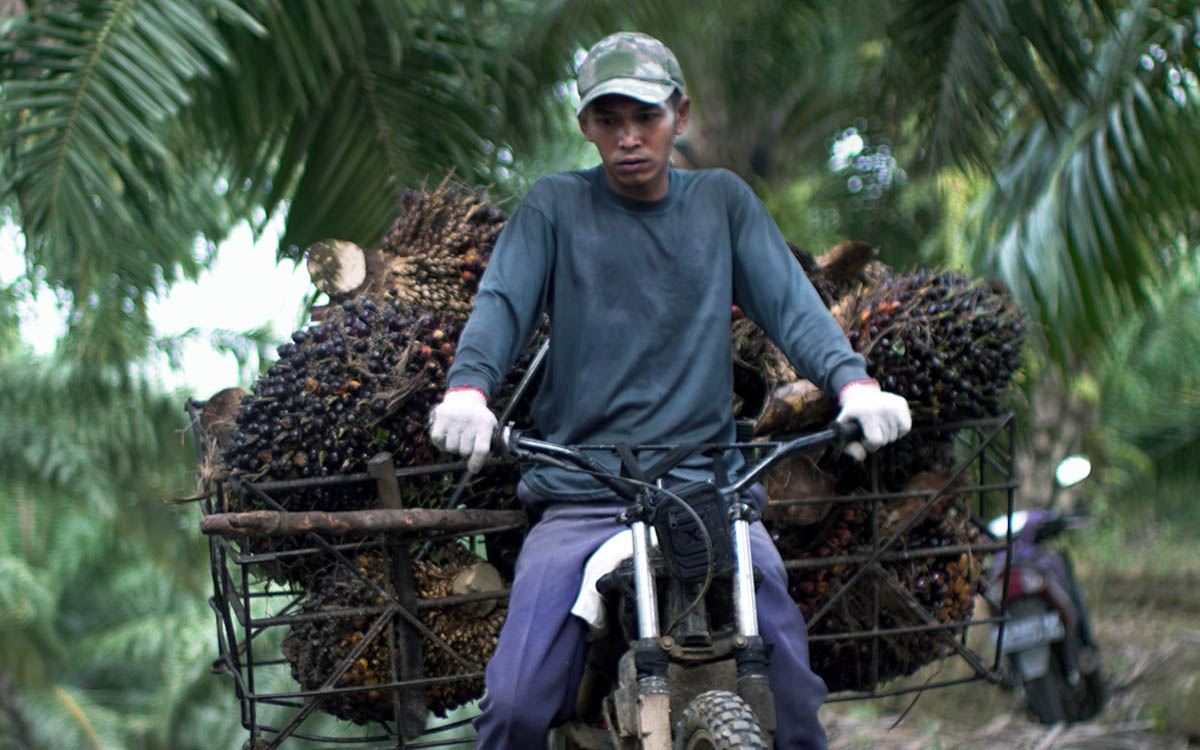
PALMOILMAGAZINE, ACEH – Despite the recent rise in crude palm oil (CPO) prices, oil palm farmers in Nagan Raya and Aceh Barat Daya (Abdya), Aceh Province, say they continue to receive relatively low prices for fresh fruit bunches (FFB), raising concerns over pricing fairness and market transparency.
Local farmers argue that the increase in global and domestic CPO prices has yet to translate into better returns at the farm level. The situation has triggered calls for stronger government oversight of the palm oil supply chain and pricing mechanisms in the two districts.
Mukhtar Abdullah, a smallholder farmer in the region, said FFB prices in Nagan Raya and Abdya remain lower than those offered in several other palm oil-producing areas across Aceh. According to him, current CPO prices have reached approximately Rp15,450 per kilogram, suggesting that farmers should be benefiting from stronger market conditions.
Also Read: KPBN CPO Offers Rise to IDR15,415/kg as Malaysian Palm Oil Continues Higher
He noted that growers in Aceh Selatan, Subulussalam, and Aceh Singkil are reportedly receiving FFB prices ranging from Rp2,900 to Rp3,200 per kilogram, while farmers in Nagan Raya and Abdya continue to face less competitive prices.
“When CPO prices are high, farmers should also enjoy the benefits through higher FFB prices. Unfortunately, conditions in the field remain far from expectations,” he said, as quoted by Palmoilmagazine.com from AJNN.net on Sunday (June 21, 2026).
The situation is particularly concerning, he added, because Nagan Raya is among the regions with the highest concentration of palm oil mills in Aceh. The district reportedly hosts 11 palm oil mills, with nine currently operating and purchasing FFB from local farmers.
Also Read: Malaysian CPO Hits Seven-Week High on Strong Export Demand and Vegetable Oil Rally
Under normal market conditions, the presence of numerous mills should encourage competition for raw materials and support stronger FFB prices. However, farmers say the current pricing structure has failed to reflect the ongoing recovery in the CPO market.
Calls for Government Intervention
Mukhtar believes weaknesses in the local marketing system may be contributing to the gap between CPO prices and FFB prices received by farmers. He urged local governments and relevant authorities to review the pricing mechanisms used by mills and strengthen supervision of the palm oil trade.
According to him, stricter oversight is needed to ensure that farmers receive transparent and equitable prices for their harvests.
Farmers, he said, are not merely seeking higher CPO prices in the market, but also expecting those gains to be fairly transmitted to producers at the plantation level.
Also Read: Strong El Niño Threatens Global Palm Oil Output, CPO Prices Expected to Strengthen
Concerns Over Farmer Organizations
Mukhtar also questioned the effectiveness of local farmer organizations in monitoring FFB pricing developments. He argued that advocacy efforts and market oversight conducted by these organizations have weakened in recent years.
Limited monitoring of market movements could reduce farmers’ bargaining power when negotiating with palm oil mills, potentially leading to FFB prices that do not accurately reflect prevailing market conditions.
Also Read: Indonesia Strengthens Global Seed Leadership with 10,500 Oil Palm Germplasm Exports to Colombia
He called on all stakeholders—including local governments, farmer organizations, and palm oil companies—to strengthen oversight of the FFB marketing system. Such efforts, he said, are necessary to ensure that the benefits of rising global CPO prices are shared more evenly with farmers, who remain the foundation of the palm oil supply chain.
Farmers hope that improved transparency, stronger supervision, and fairer pricing mechanisms will ultimately enhance their welfare as Indonesia’s palm oil industry continues to grow. (P2)