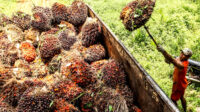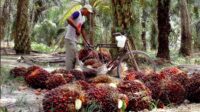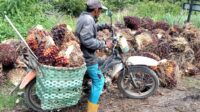
Oil palm smallholders in Ketapang, West Kalimantan, are demonstrating how sustainability certification can generate broader community benefits. Through the RSPO Smallholder Social Responsibility (SSR) program, incentive funds have been invested in education, village infrastructure, reforestation, and orangutan conservation, highlighting the wider social and environmental value of sustainable palm oil.
PALMOILMAGAZINE, KETAPANG, INDONESIA — Sustainable palm oil certification is delivering benefits beyond the farm gate, with oil palm smallholders in Ketapang, West Kalimantan, using incentive funds from the Roundtable on Sustainable Palm Oil (RSPO) to support education, community infrastructure, environmental restoration, and wildlife conservation.
According to information obtained by PalmOilMagazine from the Farmers Organization for Sustainability and Accountability or Forum Petani Kelapa Sawit Berkelanjutan Indonesia (FORTASBI) on Thursday (August 6), the Ketapang Oil Palm Smallholders Association (PPSK) has allocated incentive payments received through the RSPO Smallholder Social Responsibility (SSR) program to a range of community development initiatives.
Also Read: FORTASBI Warns Palm Smallholders to Brace for Early 2026 Dry Season
Headquartered in SP 2 Ibul Baru Hamlet, Air Upas Village, Air Upas District, Ketapang Regency, PPSK represents 1,128 independent oil palm smallholders managing a combined plantation area of 2,329.58 hectares. The association consists of 12 farmer groups that have adopted sustainable production practices under RSPO certification.
Since its establishment on November 11, 2022, PPSK has focused on improving sustainable plantation management while ensuring that the economic benefits generated through certification extend to surrounding communities.
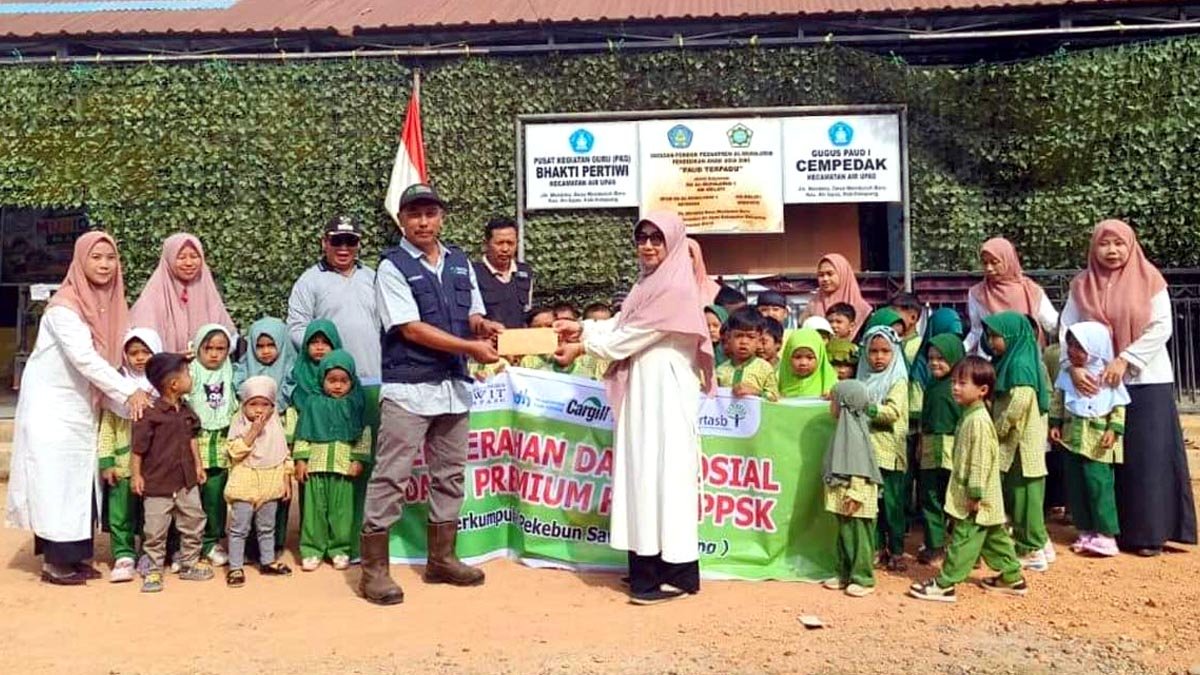
To date, the organization has distributed IDR132 million in RSPO incentive funds to its 12 member groups to finance social responsibility and community empowerment programs.
Also Read: FORTASBI Highlights Independent Smallholders’ Role in Emissions Reduction and Forest Conservation
The funding has been used to improve educational facilities, including support for kindergarten and early childhood education programs, as well as repairing school roofs. Additional investments have supported the installation of electricity poles in residential areas and the distribution of fruit tree seedlings as part of village greening initiatives.
PPSK has also expanded its sustainability efforts to biodiversity conservation. In June 2026, the association adopted 10 orangutans through the Borneo Orangutan Survival (BOS) Foundation, while the organization’s secretary personally adopted one additional orangutan. Around IDR10 million was allocated to support the conservation program.
The association’s Group Manager said the initiative demonstrates that responsible oil palm cultivation can contribute not only to economic development but also to environmental protection.
Also Read: Palm Oil Smallholders Plant 5,000 Trees to Restore Ecosystems in Aceh Tamiang
According to the organization, independent smallholders have an important role to play in supporting Indonesia’s strategic palm oil industry while simultaneously contributing to rural development and biodiversity conservation through sound governance and sustainable management practices.
“We want to continue contributing to both local communities and the environment. We hope our efforts demonstrate that oil palm smallholders are capable of implementing sustainable plantation practices while meeting environmental management standards,” the Group Manager said.
FORTASBI said PPSK’s experience illustrates how sustainability certification can create wider social and environmental value when incentive funds are managed collectively. Beyond strengthening farmer organizations, the program has contributed to village development, improved human capital, and supported biodiversity conservation in oil palm landscapes. (P3)