PALMOILMAGAZINE, JAKARTA – Indonesian independent oil palm smallholders are reinforcing their commitment to environmental stewardship by planting approximately 5,000 trees in Aceh Tamiang, combining climate action with ecosystem restoration in one of the country’s key palm oil-producing regions.
The initiative, led by the Forum Petani Kelapa Sawit Berkelanjutan Indonesia (Fortasbi) and the Perkumpulan Pekebun Sawit Tenggulun Lestari (Pesatri), was launched in March 2026 following severe ecological damage caused by flooding and riverbank erosion that struck the area in late 2025.
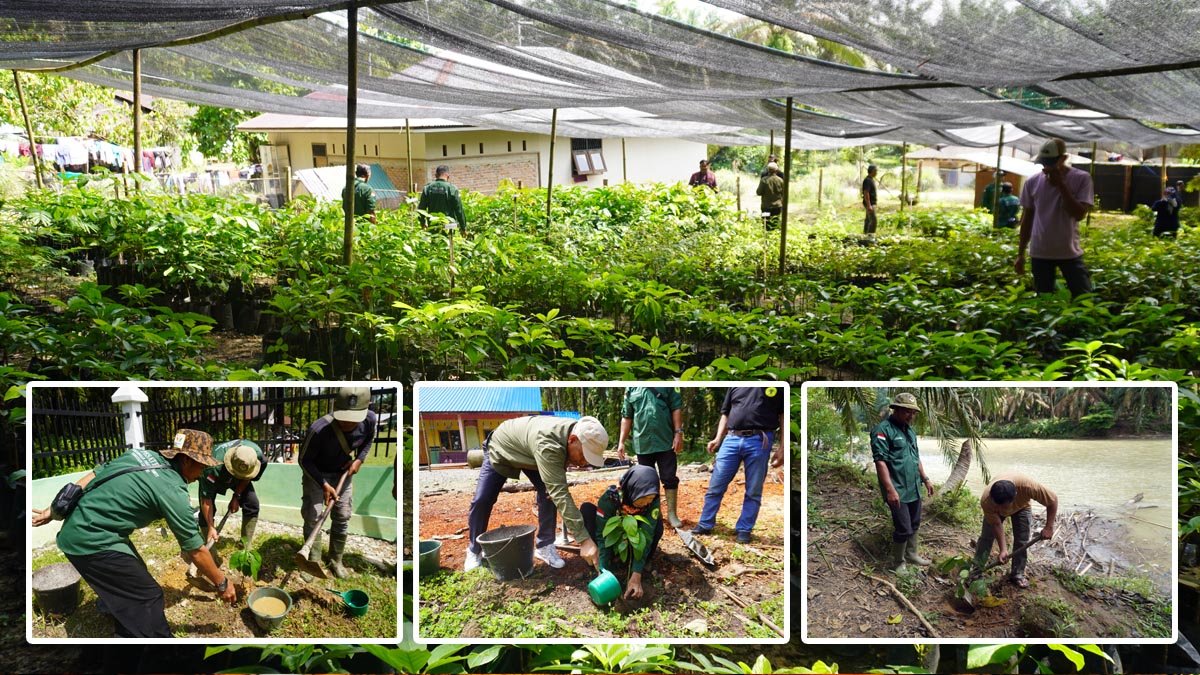
Over several months, the program successfully produced around 5,000 seedlings consisting of fruit-bearing and hardwood tree species selected to support both environmental rehabilitation and long-term community benefits.
Also Read: Building Climate-Resilient Farms: FORTASBI Guides Independent Smallholders Toward Low Emissions
The nursery cultivated 14 tree varieties, including 1,500 durian seedlings, 800 avocado, 500 mango, along with honey guava, langsat, longan, jengkol, matoa, mangosteen, candlenut, mahogany, and cinnamon.
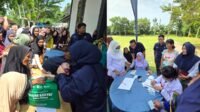
The tree-planting campaign reached its peak on July 26 in Sumber Makmur Village, Tenggulun District. Seedlings were planted across strategic locations, including residential yards, the banks of the Pantai River at Dusun Rengas, elementary schools, kindergartens, village roads, and community forest areas bordering the Leuser Ecosystem.
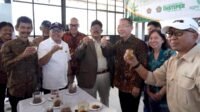
The effort brought together village authorities, teachers, community leaders, youth groups, community forestry organizations, and representatives of the Lingkar Temu Kabupaten Lestari (LTKL). The collaboration aims to restore eroded riverbanks while strengthening local resilience against future climate-related disasters.
Also Read: FORTASBI Highlights Independent Smallholders’ Role in Emissions Reduction and Forest Conservation
Fortasbi Chairman Sutiyana said sustainable palm oil certification should be viewed as the starting point for broader environmental responsibility rather than the final objective.
According to him, regenerative agriculture integrates higher farm productivity with climate change mitigation and biodiversity conservation, while independent smallholders also play a vital role in protecting high conservation value areas, including river corridors and natural habitats surrounding plantations.
Sumber Makmur Village Head Salihin welcomed the initiative, saying that planting hardwood and fruit trees would help reduce erosion while creating long-term economic and social value for local communities.
Also Read: Indonesia Ramps Up Science-Based Palm Oil Diplomacy to Counter Global Trade Pressures
He noted that the program would make the village greener and provide fruit and shade for residents, schools, and other public facilities in the years ahead.
Meanwhile, Pesatri Chairman Langkat Ginting said the initiative demonstrates that independent oil palm farmers are capable of adapting to climate change while embracing sustainable agricultural practices.
He expressed hope that the program would inspire other palm-growing regions to integrate environmental restoration with plantation productivity.
Also Read: Indonesia Locks In 2026 B50 Biodiesel Quotas, Clearing the Way for Nationwide Rollout
Through the planting of thousands of trees, Fortasbi and Pesatri seek to demonstrate that palm oil production and environmental conservation can progress together, creating a more resilient, productive, and sustainable landscape for future generations. (P3)