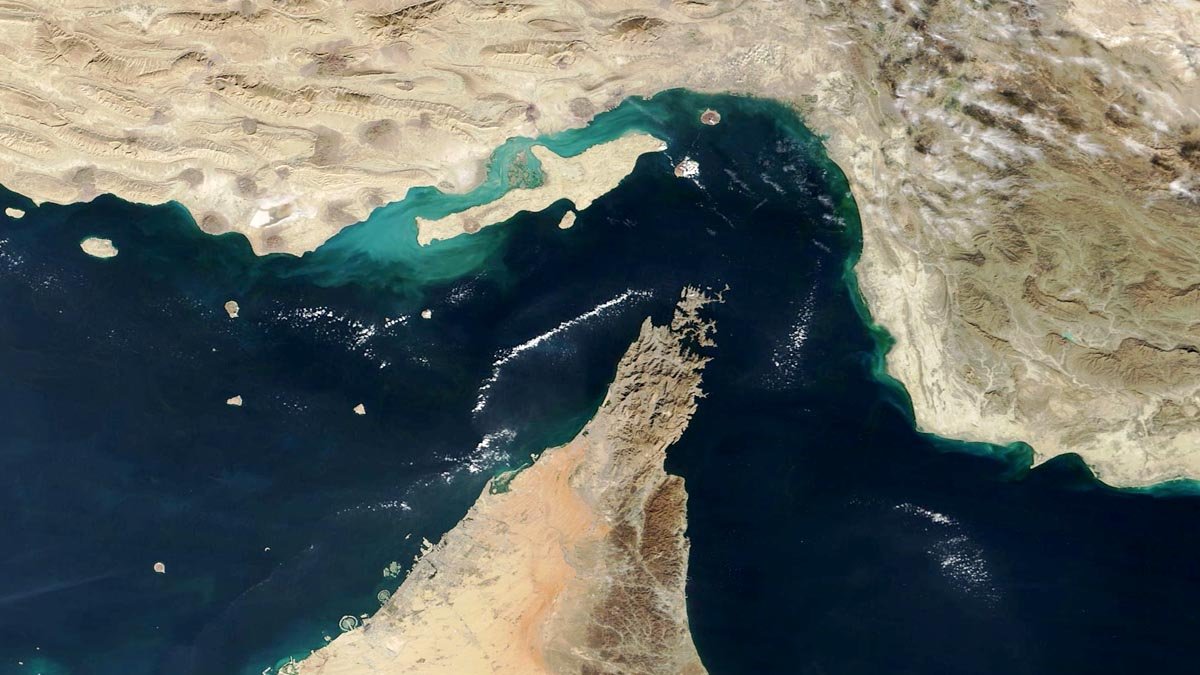
PALMOILMAGAZINE, KARACHI – Escalating geopolitical tensions involving Iran have raised serious concerns over global energy stability and food security. The effective closure of the Strait of Hormuz—one of the world’s most critical shipping routes—has pushed oil prices to alarming levels while disrupting international fertilizer supply chains.
Chairman of the Exchange Companies Association of Pakistan (ECAP), Malik Muhammad Bostan, warned that the impact of the disruption extends far beyond the energy sector.
“This is not just an energy crisis—it is a direct threat to global agriculture,” he said, as quoted by Palmoilmagazine.com from Business Recorder on Sunday (March 22, 2026).
Also Read: Indonesia’s KPBN CPO Price Edges Higher as Global Market Moves Sideways
Fertilizer Disruptions Threaten Food Production
Bostan explained that the Gulf region is a major supplier of urea and other essential fertilizers to key agricultural economies, including China, the United States, Australia, and Indonesia.
With the planting season currently underway in the Northern Hemisphere, disruptions in fertilizer distribution could significantly reduce productivity for major food crops such as wheat, rice, corn, and soybeans.
This situation risks intensifying pressure on global food security, especially amid ongoing economic uncertainty and climate change challenges.
Also Read: Rising CPO Prices Seen Cushioning Cost Pressures for SD Guthrie Amid Energy Volatility
Economic Impact and Rising Inflation
At the domestic level, ECAP warned that a prolonged blockade could severely impact Pakistan’s economy. Oil import costs could surge up to threefold, potentially driving inflation to between 15% and 17%.
However, Bostan acknowledged the proactive measures taken by the Pakistani government, including the role of the Pakistan National Shipping Corporation (PNSC) in maintaining energy supply continuity despite maritime tensions.
Also Read: Vegetable Oil Prices Swing as Energy Rally Fuels Biodiesel Demand but Weak Buying Caps Gains
He also urged businesses to prioritize the use of national shipping services to reduce reliance on foreign operators and strengthen logistical independence.
Furthermore, Bostan noted that the conflict involving Iran, the United States, and Israel highlights the high risk of regional instability to global peace. He pointed to increasing domestic pressure within the United States on President Donald Trump’s administration to push for a ceasefire.
At the same time, the crisis may offer Iran an opportunity to demonstrate its strategic resilience as a regional power.
Also Read: New Study Identifies Key Nutrient Requirements to Increase Oil Palm Yield and Fertilizer Efficiency
In closing, Bostan called for immediate diplomatic efforts to de-escalate tensions and urged the Pakistani government to prepare mitigation strategies to shield the national economy from deepening global energy shocks. (P2)