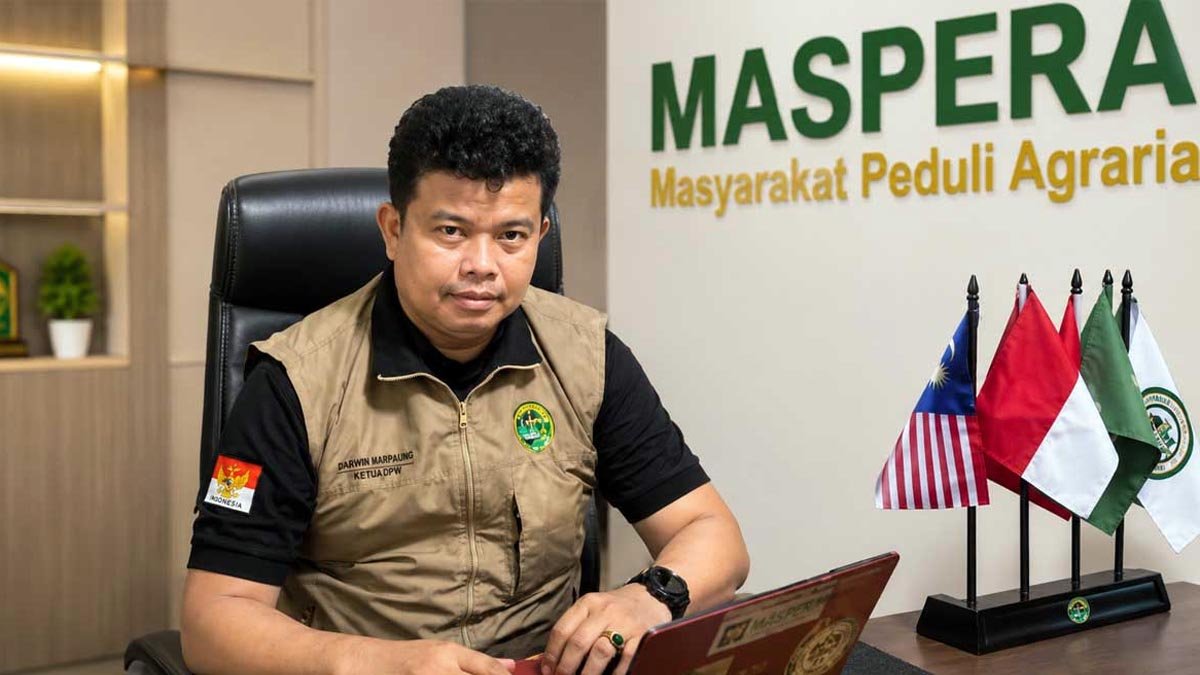
PALMOILMAGAZINE, JAKARTA – The Regional Executive Board of the North Sumatra Agrarian Concern Society (Maspera Sumbagut) has formally petitioned Indonesia’s House of Representatives (DPR RI) to oversee the implementation of a Supreme Court ruling concerning a disputed palm oil plantation area in Asahan Regency, North Sumatra.
In a letter addressed to the Speaker of Parliament, the organization alleged that Supreme Court Judicial Review Decision No. 126 PK/TUN/2015, which has obtained final and binding legal status, has not been fully implemented by the relevant authorities.
The complaint, submitted by Maspera Sumbagut Chairman Darwin Marpaung, calls on Parliament to exercise its oversight function and ensure compliance with a court order requiring the revocation of Forestry Minister Decree No. SK.573/MENHUT-II/2009.
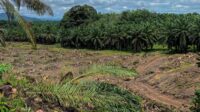
The decree, issued on September 28, 2009, authorized the conversion of approximately 4,773.9 hectares of convertible production forest (HPK) in the Nantalu Forest Group, Sei Kepayang District, Asahan Regency, for the development of an oil palm plantation operated by PT Citra Sawit Indah Lestari.
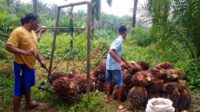
According to Maspera Sumbagut, local communities have occupied and cultivated the land since 1973. The dispute eventually led to legal proceedings before the Jakarta State Administrative Court (PTUN), registered under case number 135/B/2013/PT.TUN.JKT.
The court ruled that the forestry decree should be revoked, a decision later upheld by the Supreme Court through Judicial Review Decision No. 126 PK/TUN/2015. The ruling rejected the applicants’ request for review, making the judgment final and legally binding.
Also Read: DPR Calls for Transition Period Before Full Rollout of Palm Oil Export Reform
Despite the court’s decision, Maspera Sumbagut argues that implementation of the ruling remains incomplete.
“We urge Parliament to exercise its supervisory authority to ensure that Supreme Court decisions with final legal force are fully implemented. A state governed by the rule of law must guarantee that judicial decisions are respected and enforced by all public officials without exception,” Darwin Marpaung said.
Five Requests Submitted to Parliament
In its submission, Maspera Sumbagut outlined five key requests to Parliament.
First, the organization asked lawmakers to monitor the implementation of Supreme Court Decision No. 126 PK/TUN/2015. Second, it requested that the Ministry of Forestry be summoned to provide clarification regarding the revocation of Decree No. SK.573/MENHUT-II/2009.
Third, the group urged authorities to fully implement the court ruling. Fourth, it called for protection of community land and plantation rights on areas cultivated since 1973. Fifth, it requested the restoration of the land’s legal status in accordance with prevailing regulations.
Maspera Sumbagut also argued that the Supreme Court ruling is final and binding, making compliance mandatory for government officials. The organization warned that failure to implement a court decision could violate principles of good governance, undermine the rule of law, and potentially constitute maladministration.
The group further cautioned that continued non-compliance could prolong agrarian conflicts, create social and economic losses for local communities, and erode public trust in state institutions and the judicial system.
Also Read: Oil Palm Uses Water Efficiently — So Why Are Our Rivers Getting Worse?
Darwin confirmed that the letter was formally submitted to Parliament and received by the DPR RI correspondence office on May 21, 2026.
He expressed hope that lawmakers would promptly follow up by summoning relevant stakeholders, particularly officials from the Ministry of Forestry, to ensure enforcement of the Supreme Court ruling and the revocation of the decree as ordered by the courts.
Through its petition, Maspera Sumbagut said it expects Parliament to take concrete action to uphold legal certainty, protect community rights, and strengthen adherence to the rule of law as mandated by Indonesia’s Constitution. (P2)