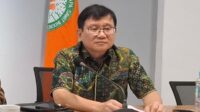

Finance Minister Suahasil Nazara calls for private capital to boost palm oil productivity, accelerate downstreaming and strengthen smallholder participation without increasing pressure on forest areas.
PALMOILMAGAZINE, BANGKOK — Indonesia is seeking to mobilize more private investment across its palm oil value chain to raise productivity, accelerate downstream development and create more productive and higher-quality jobs, Finance Minister Suahasil Nazara said.
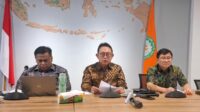
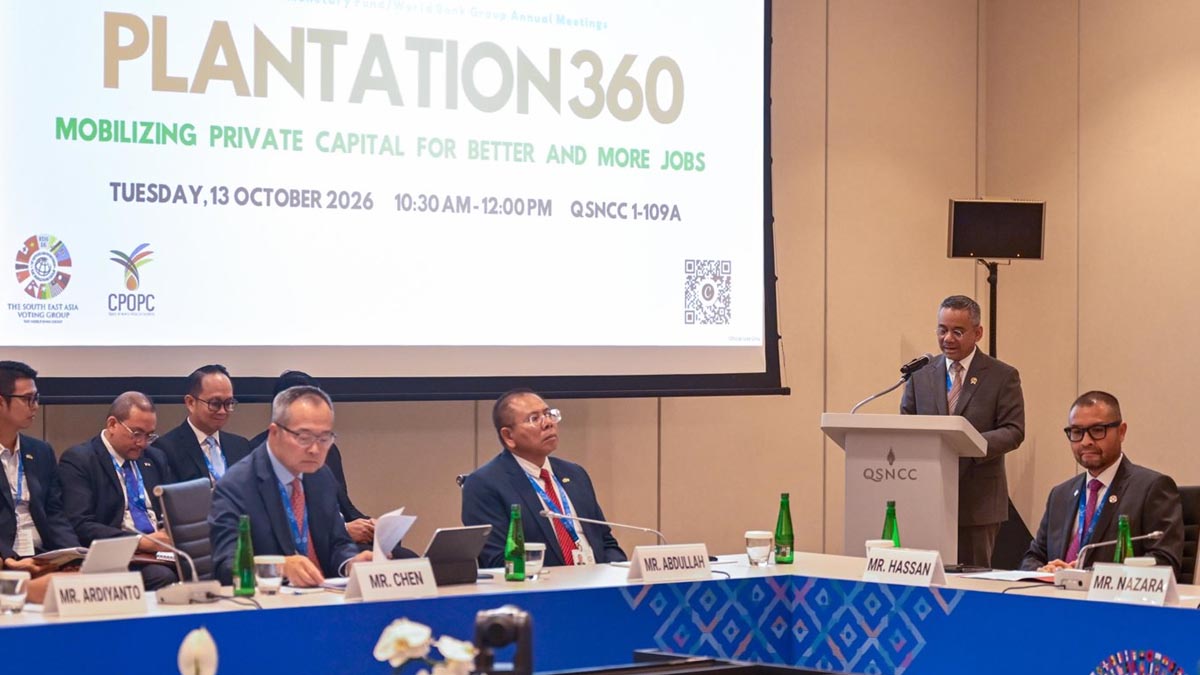
Speaking at the Plantation360: Mobilizing Private Capital for More and Better Jobs event organized by EDS16 and the Council of Palm Oil Producing Countries (CPOPC) in Bangkok on Tuesday (Oct. 13, 2026), Suahasil said investment in the palm oil sector should extend beyond increasing production to strengthening the entire value chain.
Also Read: WWF-Indonesia and CPOPC Strengthen Sustainable Commodity Supply Chains
This includes improving the capacity and access of smallholders to finance, technology, markets and knowledge while developing sustainable sources of added value.
“Indonesia’s palm oil industry is closely linked to the country’s rural economy, manufacturing sector, as well as food and energy systems,” Suahasil said, according to Indonesia’s Finance Ministry, as cited by PalmOilMagazine on Thursday (Oct. 15).
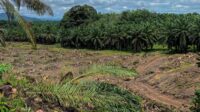
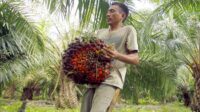
Indonesia has more than 16.8 million hectares of oil palm plantations, with smallholders managing about 41% of the total area. The scale of smallholder participation means the future of the palm oil industry is closely tied to the economic well-being of rural communities.
Also Read: CPOPC and WWF-Indonesia Link Palm Oil Sustainability to Smallholder Income
Suahasil said improving productivity on existing plantations should therefore remain a priority, allowing smallholders to increase their incomes without creating additional pressure on forest areas.
“The important question is not only how much capital we can mobilize, but where that capital flows and what outcomes it delivers,” Suahasil said. “If we want palm oil to contribute to inclusive growth, private capital must reach the entire value chain, including helping smallholders gain better access to financing, technology, markets and knowledge.”
Sustainability as an Investment Driver
Suahasil outlined three priorities for mobilizing private capital in the palm oil sector.
First, sustainability should become an integral part of Indonesia’s investment proposition. The government is promoting downstream development through food-based agricultural products, oleochemicals, biomaterials, processing technology and product innovation.
Also Read: Indonesia Pushes Value Addition and Sustainability in Cocoa, Palm Oil Exports
Palm-based energy development is also expected to expand the industry’s value-added potential. This includes the implementation of B50, green diesel, sustainable aviation fuel (SAF), used cooking oil utilization and farm-based gasoline.
These initiatives are intended to shift the industry toward higher-value activities while creating new investment and employment opportunities beyond primary plantation production.
Public Sector to Help Unlock Private Capital
Second, the government and development finance institutions need to help unlock investment opportunities that cannot yet be fully addressed by market mechanisms alone.
Risk-sharing instruments, technical assistance and project preparation can help attract private capital into smallholder replanting, supply-chain traceability and downstream industries, Suahasil said.
Also Read: BPDP Backs Value-Added Palm Oil, Cocoa, and Coconut SMEs to Boost Global Competitiveness
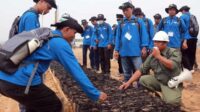
The Plantation Fund Management Agency or Badan Pengelola Dana Perkebunan (BPDP) plays a role in supporting the sector through smallholder replanting, skills development, research and infrastructure.
Suahasil stressed that such support must be implemented transparently, targeted effectively and managed with fiscal responsibility.
Smallholders Must Be Part of the Business Model
Third, smallholders must become an integral part of the palm oil industry’s business model rather than remaining suppliers at the end of the value chain.
Smallholders, he said, have the potential to participate more deeply as producers and entrepreneurs, creating opportunities for more productive employment, skills development, better working conditions and broader economic participation.
Also Read: Beyond Raw Commodities: Why Indonesia’s Palm Oil Smallholders Must Move Up the Value Chain
The opportunities extend beyond plantation activities into agribusiness, logistics, processing, digital services, engineering and technology.
Economic Growth and Environmental Protection
Suahasil also emphasized that value creation and quality job growth must go hand in hand with environmental protection.
Credible law enforcement is necessary to ensure plantation activities comply with regulations and to strengthen the sustainability and credibility of Indonesia’s palm oil industry.
Also Read: Indonesia Reclaims 6.2 Million Hectares of Forest Area Used by Palm Oil and Mining
Since February 2025, the Task Force for Forest Area Enforcement has taken action to regulate and return 6.2 million hectares of forest areas that had previously been used illegally, including for oil palm activities.
The government views the measure as part of broader efforts to improve forest-area governance and reinforce Indonesia’s credibility in implementing sustainability principles across the palm oil sector.
Suahasil said economic development and environmental sustainability should not be treated as competing objectives.
With the right investment, higher productivity, stronger smallholder participation and deeper downstream development, the palm oil industry can generate broader economic benefits while maintaining environmental safeguards.
“Indonesia believes the debate over palm oil needs to move beyond the simple choice between development and sustainability. We must demonstrate that the two can reinforce each other. That is the real potential of Plantation360,” Suahasil said. (P3)