PALMOILMAGAZINE, JAKARTA – Quality education is not built solely within classroom walls. It develops through a supportive ecosystem where access to learning is available, teachers continue to improve their skills, and industry helps shape pathways for students’ future careers.
This understanding forms the foundation of Bumitama’s Bumitama Berdaya (Beri Dukungan dan Upaya) program, which seeks not only to expand educational opportunities for young people but also to strengthen teacher capabilities and connect educational institutions with industry needs. The initiative aims to ensure that the educational journey remains complete—from school years to workforce readiness.
One of the major challenges in many regions is access to higher education. Many students possess strong potential but face obstacles related to information, administrative requirements, or selection processes when pursuing university studies.
Also Read: Indonesia Accelerates B50 Rollout as Cross-Sector Testing Advances Ahead of July Launch
To address these challenges, Bumitama has been implementing a mentoring program for the BPDP Sawit Scholarship in West Kalimantan since 2022.
According to an official statement from the BGA Group received by Palmoilmagazine.com on Monday (June 22, 2026), the assistance program covers the entire scholarship process, including outreach activities, document preparation, and selection guidance.
The initiative has reached more than 1,000 participants. Of these, 178 local students successfully obtained BPDP Sawit scholarships and continued their education at higher institutions.
Also Read: Indonesia to Launch B50 in July as Prabowo Pushes Palm Oil-Led Energy Transition
However, expanding access to education represents only the first step. The next challenge lies in ensuring that the quality of learning keeps pace with rapid social and technological changes. In this regard, teachers play a crucial role as facilitators who help students understand, process, and respond to evolving circumstances.
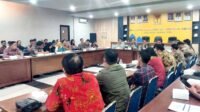
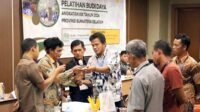
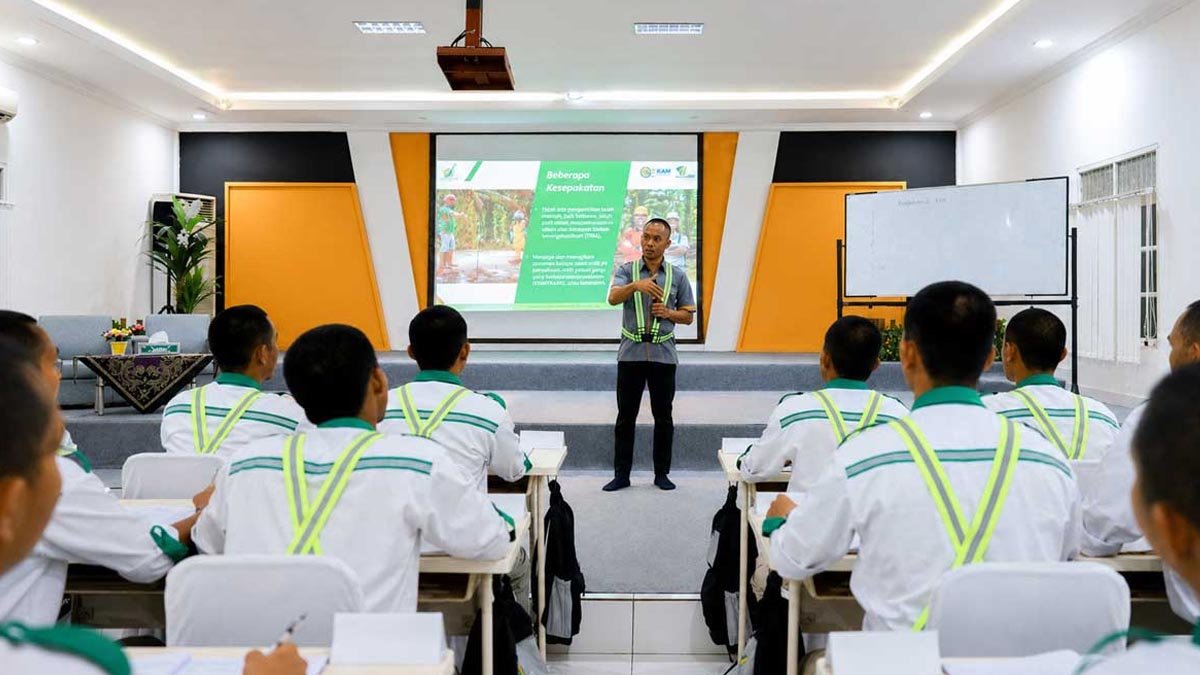
Recognizing this, Bumitama has also invested in strengthening teachers’ capacities. In Ketapang Regency, West Kalimantan, 158 teachers participated in digital learning training programs designed to improve their ability to integrate technology into classroom instruction.
The training covered curriculum development, electronic report card management, and the use of Interactive Flat Panels (IFP) as educational tools. The objective is to transform classrooms into more dynamic, innovative, and technology-adaptive learning environments.
Also Read: KPBN CPO Price Rises 2.19% on June 24 as Malaysian Palm Oil Market Remains Under Pressure
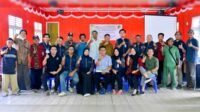
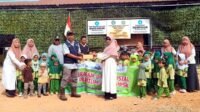
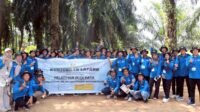
A similar commitment has been implemented in Central Kalimantan through the Joyful Learning approach conducted in collaboration with the Bumitama Foundation. A total of 85 teachers from 31 schools in Kotawaringin Lama District participated in the program, which places students at the center of the learning process.
Through this approach, teachers are encouraged to create more engaging and interactive classroom environments. Curiosity, creativity, and student participation become essential elements of learning, while teaching methods continue to evolve to meet the needs of today’s generation.
Nevertheless, quality education extends beyond the classroom. Another important challenge is ensuring that the competencies developed in schools and universities remain aligned with labor market demands.
Also Read: Tight Supply and Weather Risks Support CPO Above RM4,400, Says MPOC
The gap between educational institutions and industry continues to be a significant issue in human resource development. Building stronger connections between the two sectors is therefore essential to ensure that graduates possess relevant skills and competencies.
Bumitama addresses this need through partnerships with universities and higher education institutions. These collaborations take various forms, including internship programs, practitioner lectures, industrial visits, and joint research initiatives.
Through these partnerships, students gain valuable opportunities to understand workplace dynamics, learn industry standards, and observe practical applications of technology. At the same time, industry stakeholders can contribute to the development of future talent prepared by educational institutions.
Also Read: Malaysian Palm Oil Extends Decline as Indonesia’s KPBN CPO Price Climbs 2.19%
The ongoing collaboration also creates opportunities for knowledge exchange, practical experience, and innovation. Students not only receive strong academic foundations but also develop technical skills, adaptability, and an understanding of professional work culture.
Ultimately, building an educational ecosystem is not merely about expanding access or conducting training programs. It is about creating continuity between learning, competency development, and workforce preparedness.
Through Bumitama Berdaya, support is provided at every stage of this journey—from opening educational opportunities for young people and strengthening teachers’ capabilities to connecting universities with industry. The initiative reflects the belief that future human capital is built today through consistent and sustainable collaboration. (P2)