


PALMOILMAGAZINE, JAKARTA, INDONESIA — The skill requirements for oil palm plantation professionals are evolving as the industry faces growing demands for productivity, technological adoption, workforce transformation and sustainability. While agronomic expertise remains essential, future planters will increasingly need to combine technical knowledge with data-driven decision-making, digital capabilities and strategic business understanding.
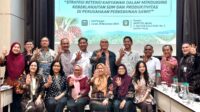
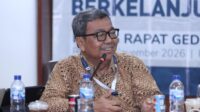
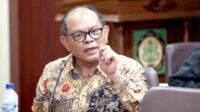
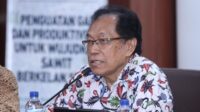
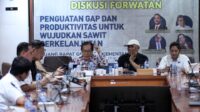
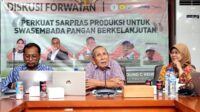
The findings were presented by Benyamin Basuki Yulianto, Academy Director of First Resources Group, during the sixth edition of IPS Planter Talks Series, titled “From Traditional Planter to Future-Ready Planter,” on Saturday (Nov. 21, 2026). PalmOilMagazine attended the event.
During his presentation, Benyamin shared the results of a mini-survey involving 36 respondents, comprising plantation directors and controllers from several companies. The survey sought to identify the competencies considered most important and assess how plantation professionals should prepare for the industry’s evolving requirements over the next decade.
The assessment covered five major competency areas: plantation operations and agronomy; digitalization and technology; leadership and workforce transformation; sustainability and business resilience; and strategic thinking.
In plantation operations, improving agronomic productivity remained the leading priority among respondents. Mechanization and replanting were also identified as important factors in strengthening plantation performance and maintaining long-term productivity.
However, future plantation professionals will need to go beyond conventional agronomic expertise. They are increasingly expected to identify productivity gaps, analyze the factors behind production performance, develop corrective measures and formulate operational plans based on reliable data.
These capabilities will become increasingly important as plantation companies seek to improve efficiency, optimize resources and sustain productivity across their operations.
Digital Skills and Data Analytics Become Essential
Technology adoption is another area shaping the future of plantation management. The survey highlighted the growing importance of digital systems for plantation mapping, production monitoring and operational automation.
Nevertheless, implementing these technologies remains challenging. Workforce readiness, existing mindsets, data analysis capabilities and digital literacy continue to influence how effectively companies can integrate technology into everyday plantation operations.
For planters, the shift requires more than simply learning to operate digital applications. They must be able to interpret information, translate data into operational decisions and use technology to improve productivity and management efficiency.
Leadership and Workforce Availability Remain Major Challenges
The survey also identified talent development and change management as important competencies for future plantation leaders.
Workforce management, particularly worker availability and labor productivity, remains a significant concern for plantation companies. As operational requirements become more complex, planters will need stronger leadership capabilities to manage teams, develop talent and adapt their organizations to changing business conditions.
In sustainability and business resilience, regulatory compliance and environmental management were identified as areas requiring stronger attention.
Planters are also expected to understand external risks that could disrupt plantation operations and affect business continuity. This includes the ability to anticipate challenges, assess potential impacts and incorporate risk management into operational planning.
Leadership Skills Show a Competency Readiness Gap
One of the key findings highlighted by Benyamin was the gap between the competencies required by plantation companies and the current readiness of their workforce.
The mapping presented during the session indicated that leadership and workforce transformation carried high development requirements, while workforce readiness in these areas remained relatively low.
This gap signals the need for plantation companies to rethink their human resource development strategies. Training programs should not focus solely on transferring technical knowledge but should also equip professionals with practical capabilities to address operational challenges, solve business problems and improve organizational performance.
For the next generation of planters, this means agronomic expertise must increasingly be supported by digital literacy, data analytics, leadership, regulatory awareness and strategic thinking.
The survey’s findings are expected to provide a reference for plantation companies in designing more targeted competency development programs. By aligning workforce capabilities with operational requirements and future business challenges, the industry can build a new generation of plantation professionals capable of navigating the transformation of Indonesia’s oil palm sector over the next decade. (P2)
PALMOILMAGAZINE, JAKARTA, INDONESIA — The skill requirements for oil palm plantation professionals are evolving as the industry faces growing demands for productivity, technological adoption, workforce transformation and sustainability. While agronomic expertise remains essential, future planters will increasingly need to combine technical knowledge with data-driven decision-making, digital capabilities and strategic business understanding.
The findings were presented by Benyamin Basuki Yulianto, Academy Director of First Resources Group, during the sixth edition of IPS Planter Talks Series, titled “From Traditional Planter to Future-Ready Planter,” on Saturday (Nov. 21, 2026). PalmOilMagazine attended the event.
During his presentation, Benyamin shared the results of a mini-survey involving 36 respondents, comprising plantation directors and controllers from several companies. The survey sought to identify the competencies considered most important and assess how plantation professionals should prepare for the industry’s evolving requirements over the next decade.
The assessment covered five major competency areas: plantation operations and agronomy; digitalization and technology; leadership and workforce transformation; sustainability and business resilience; and strategic thinking.
In plantation operations, improving agronomic productivity remained the leading priority among respondents. Mechanization and replanting were also identified as important factors in strengthening plantation performance and maintaining long-term productivity.
However, future plantation professionals will need to go beyond conventional agronomic expertise. They are increasingly expected to identify productivity gaps, analyze the factors behind production performance, develop corrective measures and formulate operational plans based on reliable data.
Also Read: Indonesia Palm Oil Production Rises 12.03% in September, Stocks Fall to 2 Million Tonnes
These capabilities will become increasingly important as plantation companies seek to improve efficiency, optimize resources and sustain productivity across their operations.
Digital Skills and Data Analytics Become Essential
Technology adoption is another area shaping the future of plantation management. The survey highlighted the growing importance of digital systems for plantation mapping, production monitoring and operational automation.
Nevertheless, implementing these technologies remains challenging. Workforce readiness, existing mindsets, data analysis capabilities and digital literacy continue to influence how effectively companies can integrate technology into everyday plantation operations.
For planters, the shift requires more than simply learning to operate digital applications. They must be able to interpret information, translate data into operational decisions and use technology to improve productivity and management efficiency.
Also Read: Pesisir Selatan Palm Oil Farmers Claim IDR 44 Billion Monthly Losses Over Low FFB Prices
Leadership and Workforce Availability Remain Major Challenges
The survey also identified talent development and change management as important competencies for future plantation leaders.
Workforce management, particularly worker availability and labor productivity, remains a significant concern for plantation companies. As operational requirements become more complex, planters will need stronger leadership capabilities to manage teams, develop talent and adapt their organizations to changing business conditions.
In sustainability and business resilience, regulatory compliance and environmental management were identified as areas requiring stronger attention.
Planters are also expected to understand external risks that could disrupt plantation operations and affect business continuity. This includes the ability to anticipate challenges, assess potential impacts and incorporate risk management into operational planning.
Also Read: Indonesia Secures Zero-Tariff Access for 90.4% of Export Tariff Lines Under EU Trade Deal
Leadership Skills Show a Competency Readiness Gap
One of the key findings highlighted by Benyamin was the gap between the competencies required by plantation companies and the current readiness of their workforce.
The mapping presented during the session indicated that leadership and workforce transformation carried high development requirements, while workforce readiness in these areas remained relatively low.
Also Read: Universitas Pamulang Researchers Examine Strategies to Retain Oil Palm Plantation Employees
This gap signals the need for plantation companies to rethink their human resource development strategies. Training programs should not focus solely on transferring technical knowledge but should also equip professionals with practical capabilities to address operational challenges, solve business problems and improve organizational performance.
For the next generation of planters, this means agronomic expertise must increasingly be supported by digital literacy, data analytics, leadership, regulatory awareness and strategic thinking.
The survey’s findings are expected to provide a reference for plantation companies in designing more targeted competency development programs. By aligning workforce capabilities with operational requirements and future business challenges, the industry can build a new generation of plantation professionals capable of navigating the transformation of Indonesia’s oil palm sector over the next decade. (P2)