PALMOILMAGAZINE, JAKARTA – The Indonesian Oil Palm Smallholders Union (SPKS) has called for research funded by the Plantation Fund Management Agency (BPDP) to generate practical innovations that directly address the challenges faced by oil palm farmers, rather than remaining limited to academic publications, prototypes, or patents.
Although BPDP’s Palm Oil Research Grant Program has produced hundreds of research projects and dozens of patents since its launch, SPKS believes the benefits have yet to reach independent and plasma smallholders on a meaningful scale. The organization noted that the program has utilized approximately IDR 921 billion in BPDP funds, which are sourced from levies collected from Indonesia’s palm oil sector. Therefore, the research outcomes should provide tangible returns for farmers by improving productivity, reducing production costs, enhancing crop quality, and ultimately increasing smallholder incomes.
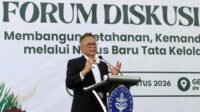
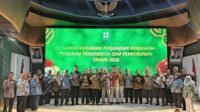
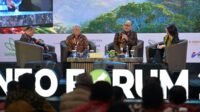
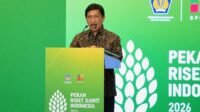
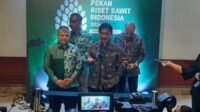
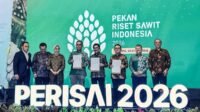
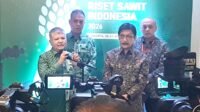
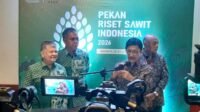
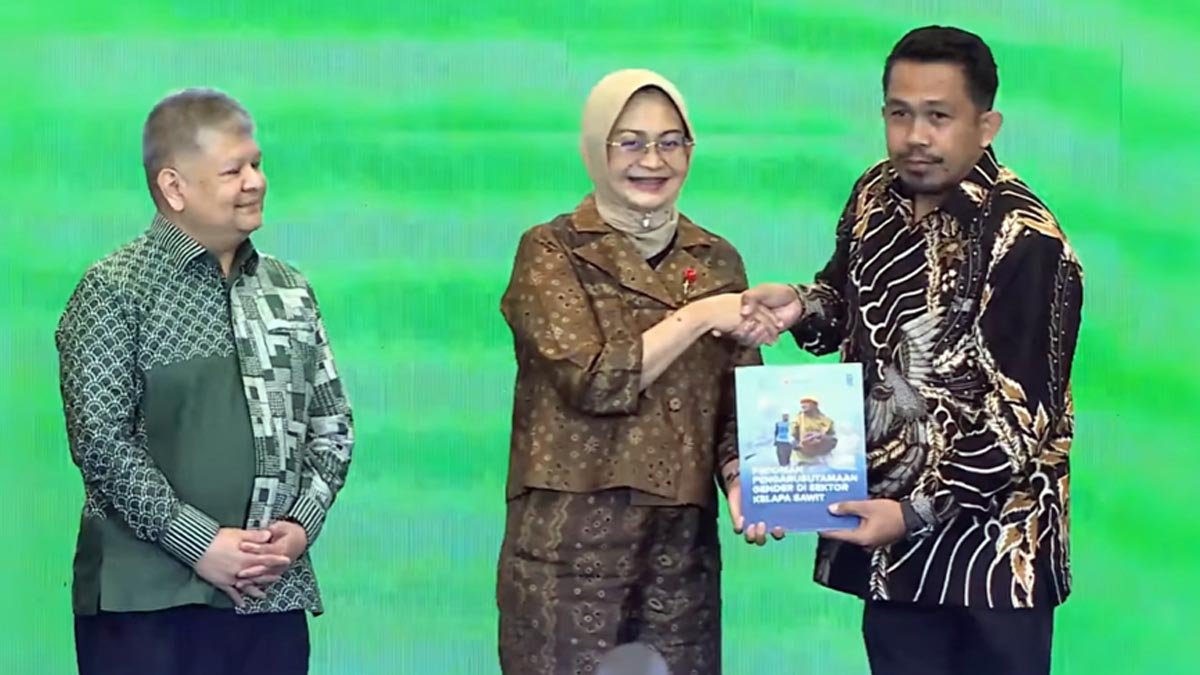
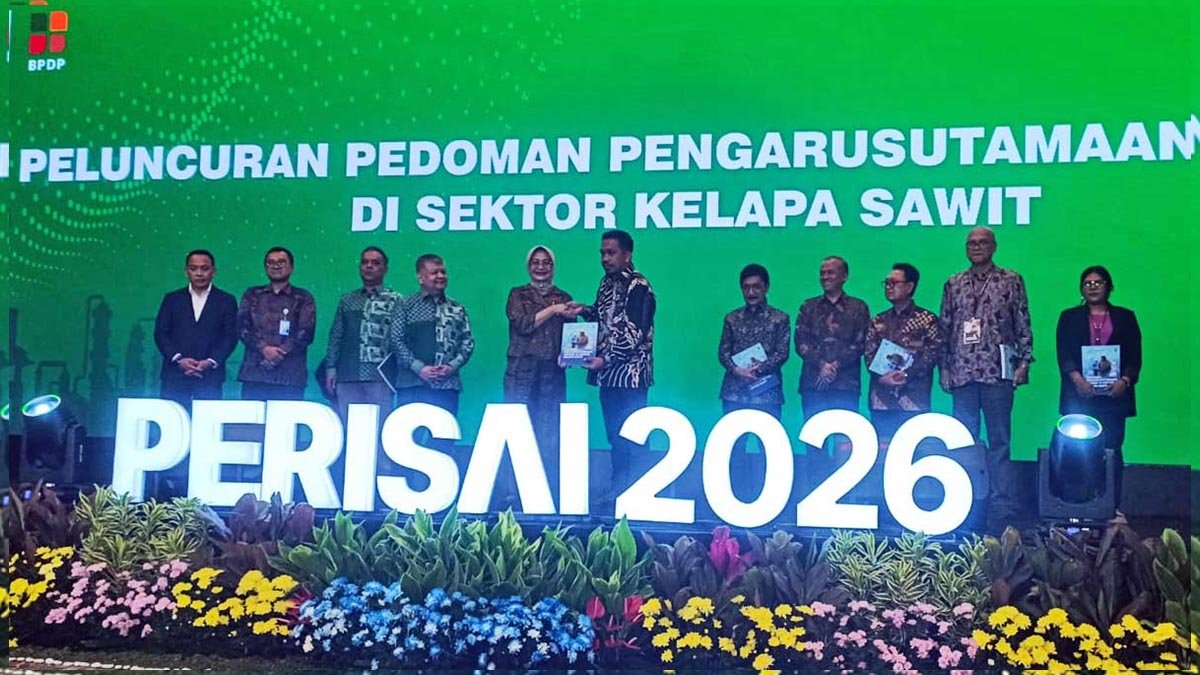
The issue was highlighted during the Indonesian Palm Oil Research Week (PERISAI) 2026, organized by BPDP in Jakarta. The annual event serves as a platform to showcase research findings while bringing together government agencies, researchers, academics, industry representatives, and farmer organizations to strengthen innovation within Indonesia’s palm oil sector.
Also Read: BPDP Chief: Palm Oil Research Must Deliver Real Innovation for Farmers and Industry
According to BPDP, since 2015 the Palm Oil Research Grant Program has supported 466 research contracts, involving 109 research institutions, 1,873 researchers, and 383 university students. The initiative has resulted in 395 scientific publications and 84 patents, contributing to efforts to enhance the competitiveness of Indonesia’s palm oil industry.
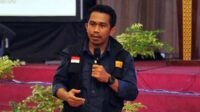
However, SPKS Chairman Sabarudin emphasized that these achievements should be measured not only by academic output but also by their impact on farmers.
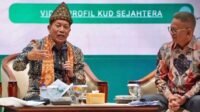
“Research funded through BPDP should produce affordable technologies that can be widely adopted by smallholders to improve plantation productivity,” Sabarudin told Palmoilmagazine.com on the sidelines of PERISAI 2026 in Jakarta.
He said many smallholders continue to face limited access to efficient and affordable agricultural technologies, even as they are expected to increase productivity while complying with increasingly stringent sustainability standards.
Sabarudin pointed out that future research should help farmers overcome key challenges, including improving traceability systems to meet the European Union Deforestation Regulation (EUDR) requirements, strengthening farmer cooperatives through better institutional management, and boosting productivity in smallholder plantations.
One technology highlighted was the use of drones for plantation mapping and farmer data collection. While drones can significantly improve plantation management, their high investment costs make them inaccessible to many smallholders.
Also Read: SPKS Urges Stronger BPDP Funding to Expand Palm Oil Certification and Boost Smallholder Productivity
Similarly, mechanization in smallholder plantations remains limited because many available technologies are still too expensive and are not designed to meet the operational needs of small-scale farmers.
SPKS therefore urged BPDP to ensure future research produces practical, cost-effective innovations that are easy for farmers to adopt and capable of accelerating productivity growth across Indonesia’s smallholder palm oil sector.
Beyond research, SPKS also called on BPDP to accelerate the Smallholder Palm Oil Replanting (PSR) program. The organization proposed increasing replanting assistance from IDR 60 million per hectare to IDR 90–100 million per hectare to better cover replanting costs and support farmers’ livelihoods during the non-productive period.
In addition, SPKS encouraged BPDP to speed up the development of plantation infrastructure, particularly farm access roads, to reduce harvesting costs and improve farmers’ incomes. The organization also recommended greater involvement of farmer associations in BPDP’s training and capacity-building programs, covering both cooperative governance and sustainable plantation management, so that the benefits of government-funded initiatives can reach more oil palm smallholders across the country. (P3)