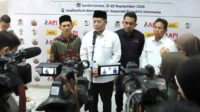


Dr. Hari Priwiratama, a palm oil crop protection researcher specializing in pests and diseases, has been appointed head of Indonesia’s Palm Oil Research Center (PPKS).
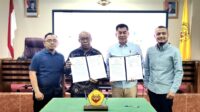
PALMOILMAGAZINE, JAKARTA — Indonesian Oil Palm Research Institute or Pusat Penelitian Kelapa Sawit (PPKS) has entered a new leadership phase with Dr. Hari Priwiratama, M.Sc., appointed as its new head, bringing extensive research experience in palm oil pests, diseases and crop protection.
The appointment was highlighted in a congratulatory message from the IPB Alumni Palm Oil Caucus, which welcomed Hari’s new role and expressed expectations that PPKS would further strengthen its position as a center for palm oil research and innovation.
Also Read: PPKS Urges Early Detection of Abnormal Oil Palm Seedlings to Safeguard Future Productivity
The message also emphasized the importance of research and innovation in improving productivity, sustainability and the competitiveness of Indonesia’s palm oil industry.
PPKS’s official profile lists Hari Priwiratama as head of the research center, with the functional position of senior research scientist. His scientific background covers food crops, horticulture and plantation crops, with a particular focus on plant protection.
Academic and Research Background
Hari earned his undergraduate degree in Plant Pest and Disease Science from IPB University in 2006. He later pursued a master’s degree at Wageningen University & Research in the Netherlands, specializing in phytopathology and entomology, which he completed in 2017.
His research career has focused increasingly on the health of oil palm plants. His publications include studies on major palm oil pests and diseases, including Ganoderma, leaf spot disease, leaf-eating caterpillars and rhinoceros beetles, as well as biological control strategies.
Also Read: GAPKI and PPKS Host Oil Palm Plantation Management Training for Tanzanian Delegation
One study published in the Jurnal Penelitian Kelapa Sawit in 2025 examined the impact of drought stress on the vegetative growth of oil palm seedlings and the severity of Curvularia oryzae leaf spot disease. The research was conducted with PPKS researchers and IPB academics.
Hari has also contributed to research on pest management, including a study examining the effectiveness of flubendiamide against nettle caterpillars, bagworms and bunch borers, as well as its effects on populations of the oil palm pollinating weevil, Elaeidobius kamerunicus.
In another study, Hari and PPKS researchers examined attacks by the bagworm Pteroma pendula and their impact on oil palm productivity. The research found that moderate to severe infestations were associated with declines in fresh fruit bunch production.
Also Read: GAPKI and PPKS Host Oil Palm Plantation Management Training for Tanzanian Delegation
Focus on Integrated Crop Protection
Hari’s experience extends beyond laboratory research. Publicly available professional profiles identify his research interests as including the biology and integrated management of pests and diseases affecting oil palm.
His research has covered basal stem rot, spear rot, biological pest control and the management of rhinoceros beetles (Oryctes rhinoceros).
Also Read: Indonesia’s Palm Oil Smallholders: 3 Key Demands to the Government
His involvement is also reflected in a range of PPKS publications, including research on the use of Bacillus thuringiensis for pest control, the use of mycorrhizae in relation to Ganoderma disease, and studies of leaf spot disease in oil palm.
Hari’s appointment comes as Indonesia’s palm oil industry faces growing demand for research that can be translated into practical solutions at plantation level.
Productivity, climate-related stresses, plant health, cultivation efficiency, pest and disease management, and sustainability requirements are increasing the need for applied research and technologies that can be adopted by plantations and smallholders.
Also Read: Palm Oil Partnerships Need Sociology, Anthropology to Prevent Land Conflicts: USU
PPKS plays a central role in developing knowledge and technology for Indonesia’s palm oil sector. Its Jurnal Penelitian Kelapa Sawit features research spanning plant breeding, biotechnology, soil science, post-harvest technology, socioeconomics and crop protection.
With Hari’s background in plant health and integrated pest and disease management, his leadership places crop protection and applied research among the areas that could help strengthen PPKS’s contribution to the competitiveness and sustainability of Indonesia’s palm oil industry. (P1)