
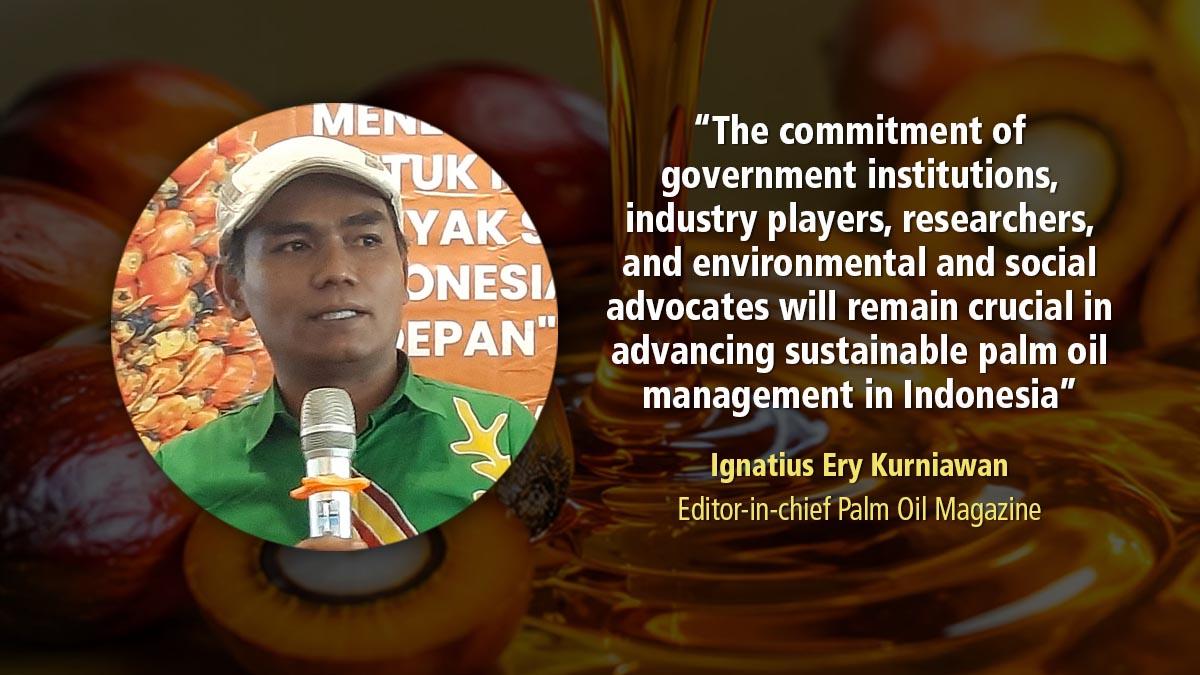
By Ignatius Ery Kurniawan, Editor-in-chief Palm Oil Magazine
PALMOILMAGAZINE, JAKARTA – The abundance of natural resources in Indonesia serves as a fundamental asset for national development. Derived from the various materials and potentials found in nature, these resources can be utilized to meet human needs and improve societal welfare. This includes renewable natural resources, which are generally sourced from agricultural commodities cultivated across Indonesia.
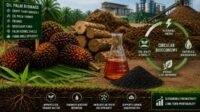
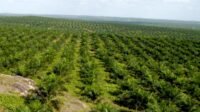
Based on their characteristics, renewable natural resources can be replenished or reproduced continuously and will not be depleted as long as they are managed sustainably. Sustainable management ensures that the rate of resource utilization does not exceed nature’s ability to regenerate them. Oil palm plantations are a prime example of such renewable resources.
Also Read: Indonesia to Launch B50 in July as Prabowo Pushes Palm Oil-Led Energy Transition
Oil palm trees naturally renew themselves through a biological cycle that includes flowering, fruit development, and harvesting. In addition, the surrounding environment and ecosystem of oil palm plantations must be maintained in balance to ensure that resource management remains sustainable over the long term.
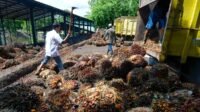
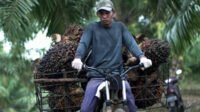
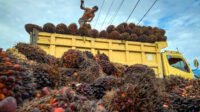
When properly managed—from fertilization and crop maintenance to harvesting—oil palm cultivation creates a continuous production cycle known as the harvest rotation. Therefore, sustainable palm oil management, encompassing responsible cultivation and processing practices that protect the environment, generate economic benefits, and improve community welfare, must remain a priority.
In Indonesia, sustainable palm oil management is mandated through the Indonesian Sustainable Palm Oil (ISPO) certification system, which was updated under Presidential Regulation No. 16 of 2025. Meanwhile, on a voluntary basis, the Roundtable on Sustainable Palm Oil (RSPO) certification applies internationally recognized sustainability principles and criteria.
Also Read: KPBN CPO Price Rises 2.19% on June 24 as Malaysian Palm Oil Market Remains Under Pressure
The core principles of sustainable palm oil management are also aligned with the three pillars of sustainability, which serve as a development framework balancing social, economic, and environmental considerations. These pillars are interconnected and essential for ensuring long-term prosperity and resilience.
Although some stakeholders continue to identify areas for improvement, sustainable certification for palm oil and its derivatives remains unique among vegetable oils. Palm oil is currently the only major vegetable oil commodity supported by comprehensive sustainability certification schemes. Compared to other vegetable oils, palm oil and its derivative products are renewable and environmentally friendly resources when produced under sustainable management practices.
Also Read: Indonesia Tightens MINYAKITA Market Oversight to Keep Cooking Oil Prices Under Control
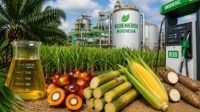
For this reason, land-based natural resource management through oil palm cultivation in Indonesia requires support from all stakeholders. Such collaboration is essential to ensure the continued supply of palm oil as a source of food oil and renewable biofuel that contributes to environmental sustainability. The commitment of government institutions, industry players, researchers, and environmental and social advocates will remain crucial in advancing sustainable palm oil management in Indonesia. (*)