
PALMOILMAGAZINE, JAKARTA – Indonesia’s Ministry of Agriculture (MoA) has issued a strong warning to palm oil mills purchasing Fresh Fruit Bunches (FFB) below government-approved regional benchmark prices, signaling that persistent violations could lead to administrative penalties and even the revocation of operating licenses.
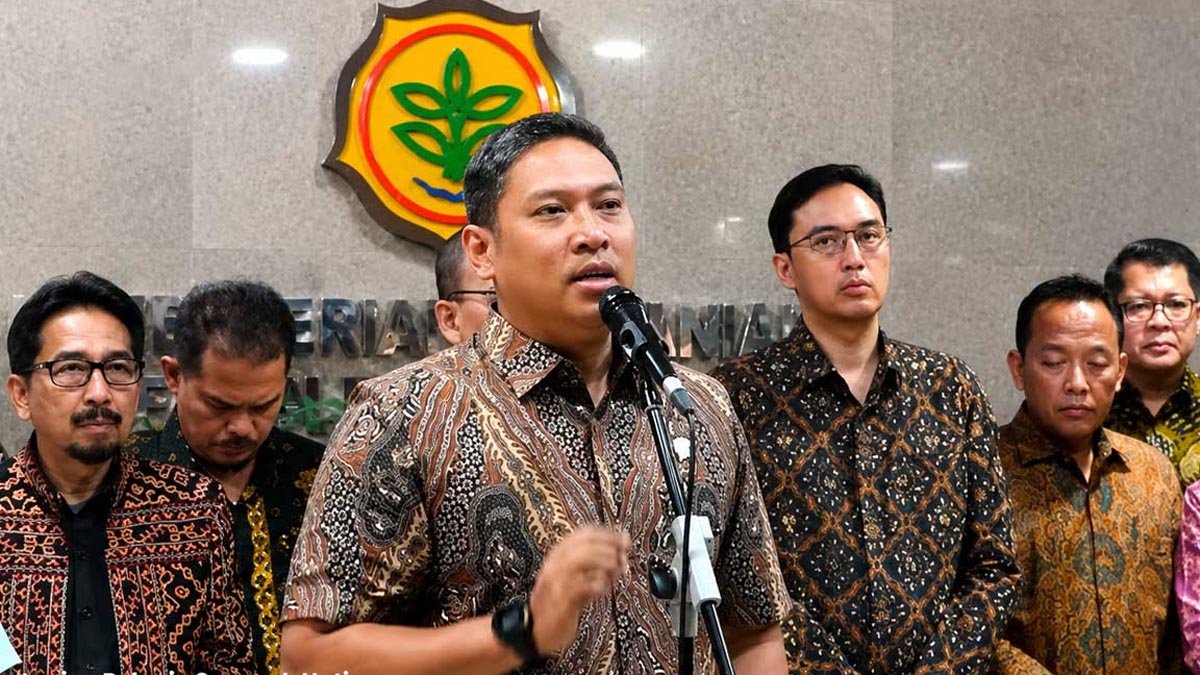
The warning was delivered by Deputy Minister of Agriculture Sudaryono after the ministry identified widespread non-compliance among palm oil mills across the country.
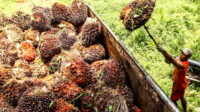
According to Sudaryono, the ministry has found 139 palm oil mills purchasing FFB from farmers below locally determined reference prices. Of those, only 16 mills have begun adjusting their purchasing prices following an initial coordination meeting held earlier this week.
Also Read: Bappenas Pushes IPB to Become Hub of Palm Oil Innovation and Downstream Development
“If there are violations of activities regulated under the Ministerial Regulation, administrative sanctions may be imposed, including possible license revocation. If legal violations are identified, the Ministry of Agriculture will coordinate with the Food Task Force,” Sudaryono told reporters at the ministry’s headquarters in Jakarta on May 29.
The ministry has since expanded discussions with key stakeholders throughout the palm oil supply chain. The follow-up meeting brought together representatives from the National Food Agency, state-owned plantation companies, Agrinas Palma, the Indonesian Palm Oil Association (GAPKI), farmer organizations, exporters, and refinery operators.
Sudaryono argued that prolonged weakness in farmgate FFB prices is inconsistent with current global market conditions, which continue to show strong demand and improving palm oil prices.
Also Read: SPKS Welcomes 80% Plasma Plan, Urges Stronger Land Reform and Oversight
“Global prices are strong and demand remains healthy. The question is why farmers are receiving poor prices. That is what we must resolve,” he said.
The ministry also urged regional governments to strengthen implementation of Minister of Agriculture Regulation No. 13/2024, which governs FFB price-setting mechanisms for both plasma and independent smallholders.
According to Sudaryono, only a limited number of provinces and districts regularly conduct coordinated FFB pricing meetings involving local governments, mills, and industry associations. As a result, governors, regents, and mayors are being encouraged to actively monitor FFB transactions and identify mills that fail to comply with official pricing guidelines.
Also Read: Riau Independent Smallholder Palm Fruit Prices Decline in Latest Pricing Period
“If future declines in FFB prices occur, local governments should not only issue warnings and conduct field inspections, but the ministry can also engage directly with the companies and their affiliated groups,” he explained.
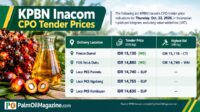
Beyond upstream monitoring, the government is also encouraging downstream players, including refiners and exporters, to maintain normal purchasing activities based on benchmark prices established through KPBN auctions.
The ministry specifically warned against pricing withdrawal practices that could suppress crude palm oil (CPO) purchases and ultimately weaken FFB prices received by farmers.
Also Read: North Sumatra FFB Prices Drop Sharply by IDR 649.80/Kg in Late May 2026
During the briefing, Sudaryono also addressed concerns surrounding the government’s upcoming single-gateway export policy, which will be administered through PT Danantara Sumberdaya Indonesia (DSI).
He emphasized that the initiative is not intended to create additional burdens for exporters. Instead, the transition period will run from June 1 to August 31, 2026, before full implementation begins on January 1, 2027.
According to Sudaryono, DSI’s primary objective is to improve governance within Indonesia’s natural resource export sector and close loopholes that may facilitate practices such as under-invoicing, underpricing, and transfer pricing.
“The objective is not for DSI to generate profits. The objective is to create order and transparency. Companies that are already compliant can continue operating normally, while those that are not compliant will be required to follow the rules,” he said.
Also Read: One-Gate Export System and a New House Called Danantara
The Ministry of Agriculture expects that the agreements reached with industry stakeholders will help prevent further downward pressure on farmer FFB prices. Officials are also calling on all participants across the palm oil value chain to uphold fair and transparent trading practices from plantation to export market. (P2)