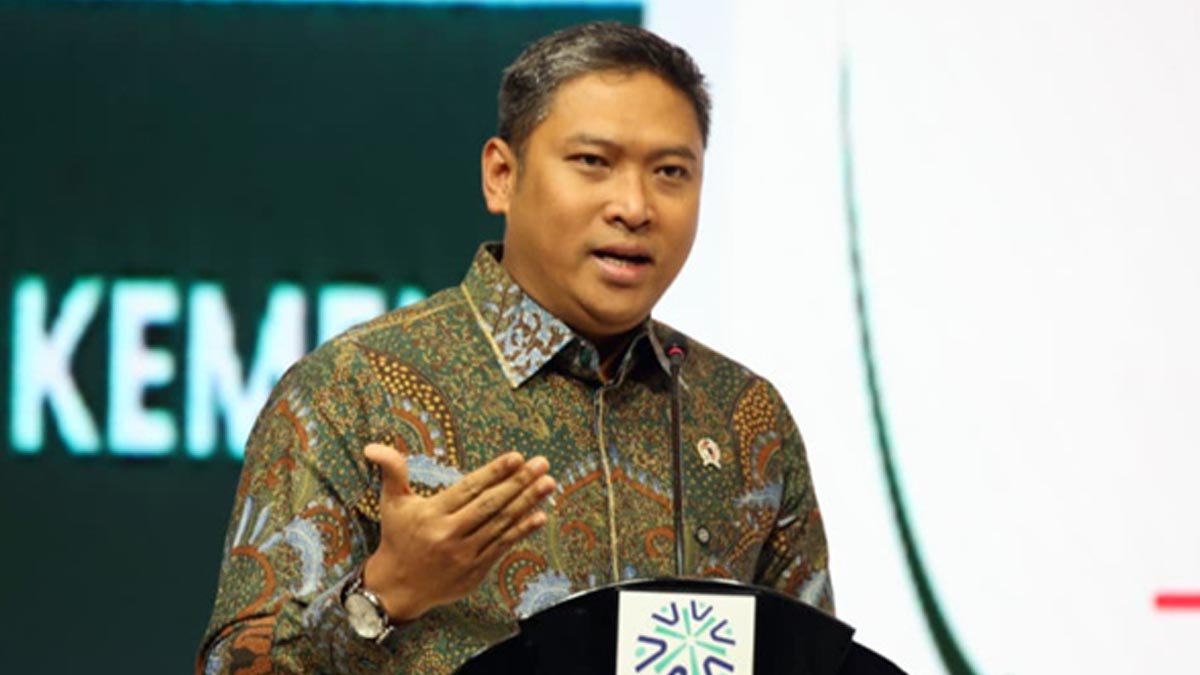
PALMOILMAGAZINE, JAKARTA – Indonesia’s implementation of the B50 biodiesel mandate and its achievement of food self-sufficiency demonstrate the rapid execution of President Prabowo Subianto’s strategic agenda under the Best Fast Result (BFR) approach, according to Deputy Minister of Agriculture Sudaryono.
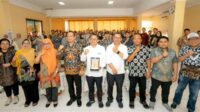
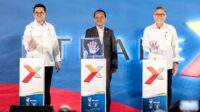
Speaking at the Leaders Briefing held at the PLN Auditorium in Jakarta on Thursday (July 16), Sudaryono said the government is accelerating key national programs to deliver tangible results in food and energy security, two pillars of Indonesia’s long-term resilience.
The forum brought together leaders from various sectors to align understanding of the government’s strategic development priorities.
Also Read: 93 Aceh Singkil Smallholders Complete BPDP Oil Palm Training
Sudaryono said President Prabowo’s vision is to build a self-reliant Indonesia by maximizing the country’s natural resources, agricultural potential, and domestic energy capacity.
“The President wants every major program to deliver the Best Fast Result. Large-scale initiatives must be executed quickly and produce real benefits. Food self-sufficiency and energy self-sufficiency should not remain aspirations—they must become reality,” he said, as quoted by Palmoilmagazine.com from the Ministry of Agriculture’s website on Friday (July 17).
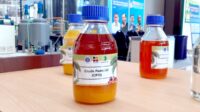
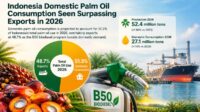
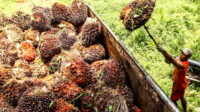
He highlighted the B50 program as clear evidence that Indonesia can leverage its agricultural sector to strengthen national energy security. Under the policy, half of the country’s biodiesel blend is supplied by domestically produced palm oil, reducing dependence on imported diesel fuel.
Also Read: Prabowo Launches B50 Biodiesel, Declares Indonesia First Nation to Mandate 50% Palm-Based Fuel Blend
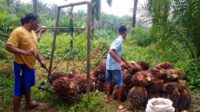
“With B50, Indonesia no longer relies on imported diesel. Fifty percent comes from domestic petroleum and fifty percent from palm oil produced by Indonesian farmers. This proves that an agricultural nation like Indonesia can utilize its natural resources and the hard work of its farmers to achieve energy self-sufficiency,” Sudaryono said.
He added that Indonesia’s progress in energy security builds on earlier achievements in food security. Lessons from the COVID-19 pandemic underscored the importance of reducing dependence on imported food, as many countries prioritized their own domestic needs during the crisis.
“That experience pushed us to work harder until Indonesia achieved food self-sufficiency. Now we are taking the next step by strengthening energy self-sufficiency,” he said.
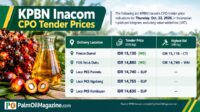
Also Read: Indonesia’s KPBN CPO Price Rises to IDR15,700/kg as Malaysian Palm Oil Futures Extend Losses
Sudaryono explained that the Best Fast Result concept has become the guiding principle behind the administration’s strategic programs, emphasizing swift execution, measurable outcomes, and direct public benefits.
“If a major program takes too long to implement, the benefits are also delayed. That is why the President insists on rapid execution with the best possible results so the public can feel the impact immediately,” he said.
At the same event, Hashim S. Djojohadikusumo, the President’s Special Envoy for Climate and Energy, stressed that strengthening national energy security has become increasingly urgent amid geopolitical tensions and volatile global energy markets.
Also Read: CPOPC Admits Costa Rica as Observer, Expands Global Palm Oil Alliance
He said the government’s Asta Cita agenda aims to accelerate energy self-sufficiency, promote downstream industrial development, improve connectivity, and speed up the transition toward cleaner and more sustainable energy.
Meanwhile, PLN President Director Darmawan Prasodjo said Indonesia is shifting from an import-dependent energy system to one based on domestic resources, a transition he believes will enhance energy security, lower costs, create jobs, stimulate economic growth, and improve public welfare.
Sudaryono concluded that the Leaders Briefing is expected to strengthen collaboration between the government and stakeholders in achieving Indonesia’s goals of food security, energy independence, and inclusive economic development. (P3)