Strong domestic demand, particularly from biodiesel, is creating new opportunities to expand sustainable palm oil practices across Indonesia’s supply chain.
PALMOILMAGAZINE, JAKARTA — Indonesia’s large domestic palm oil market could become a major driver in strengthening demand for sustainable palm oil products, according to WWF Indonesia.
Sustainable Commodities Lead at WWF Indonesia, Angga Prathama Putra, said strengthening domestic demand should be an integral part of efforts to transform commodity markets toward greater sustainability.
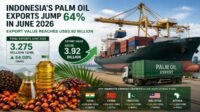
Also Read: Indonesia’s Palm Oil Exports Jump 64% in June 2026 to US$3.92 Billion
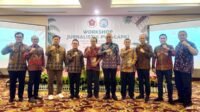
Speaking at the Regional Learning Forum on Sustainable Commodities in Jakarta on Friday, Angga said market transformation should not focus solely on strengthening producers at the upstream level and expanding international markets, but also on developing domestic demand.
“The domestic market is also important,” Angga said, as quted by Palmoil from Antara on Sunday (August 30, 2026).
Indonesia has a particularly strong foundation for developing its domestic palm oil market. In addition to being one of the world’s largest palm oil producers, the country has a growing domestic consumption base.
Also Read: CPO Production and Domestic Consumption Decline in May 2025
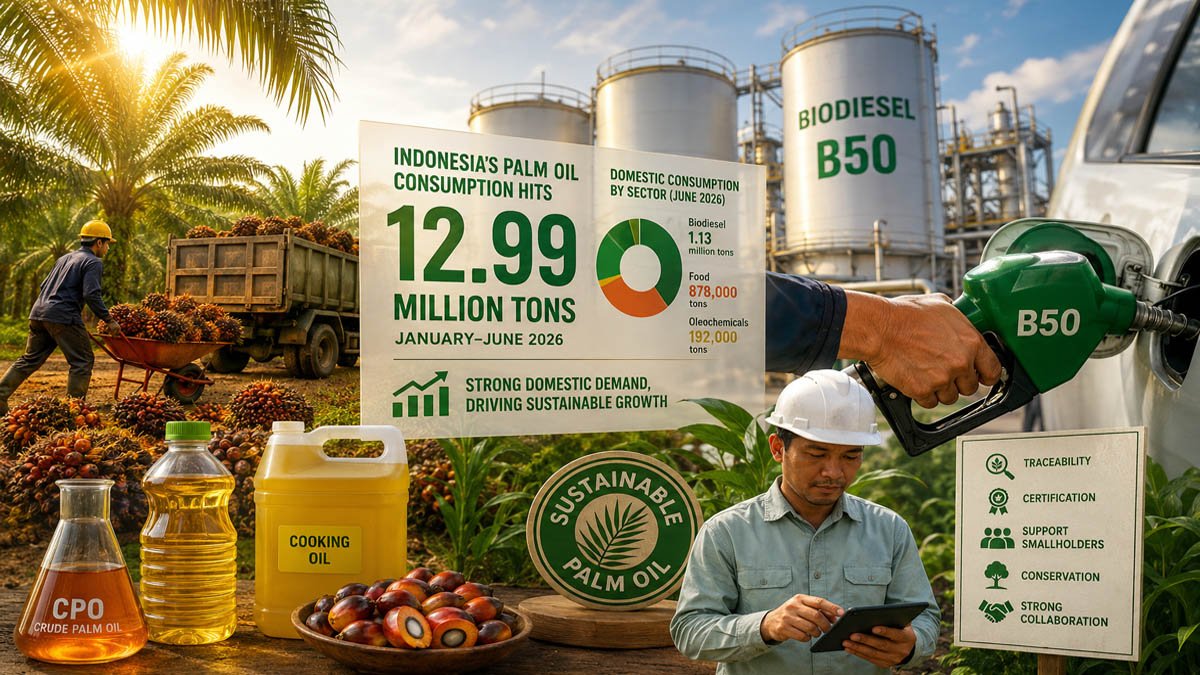
Data from the Indonesian Palm Oil Association (GAPKI) showed domestic palm oil consumption reached 12.99 million tons during January-June 2026, up 5.48% from 12.27 million tons in the same period last year.
In June alone, domestic palm oil consumption stood at approximately 2.20 million tons. Biodiesel accounted for the largest share at 1.13 million tons, followed by the food sector at 878,000 tons and oleochemicals at 192,000 tons.
Also Read: Indonesia’s Biodiesel Policy Emerges as a New Price Anchor for Global Palm Oil
Biodiesel Strengthens Domestic Palm Oil Demand
The domestic market is expected to become increasingly strategic following the implementation of Indonesia’s B50 biodiesel mandate on July 1, 2026.
The policy increases the use of palm oil as a feedstock for renewable energy while strengthening domestic absorption of crude palm oil (CPO).
However, WWF’s market transformation strategy extends beyond Indonesia. Expanding sustainable commodity markets in major destinations such as India, China and Japan remains another important component.
Also Read: Malaysian Palm Oil Futures Hit 20-Month High as B50 Biodiesel Boosts CPO Demand
At the same time, stronger support for the upstream sector is needed to ensure producers, particularly smallholders, can meet increasingly demanding sustainability requirements.
WWF sees Indonesia’s large domestic market as an opportunity for companies, commodity users and retailers to accelerate the adoption of sustainability principles throughout their supply chains.
A study by WWF Indonesia and Accenture released in May 2026 also identified significant opportunities for Indonesia’s retail sector and commodity users to integrate sustainability principles into supply chains, including those involving palm oil.
Also Read: When Smallholders Support Global Palm Oil Markets, It Is Time to Rethink Farm Scale
Smallholder Challenges Remain a Key Issue
Despite the market opportunities, WWF emphasized that growing demand for sustainable palm oil must be matched by stronger supply-chain readiness and improved capacity among upstream producers.
Several challenges continue to hamper sustainable palm oil production. These include incomplete land registration, relatively low smallholder productivity, limited access to financing, weak traceability and inadequate digital systems.
Also Read: 87 Aceh Singkil Palm Oil Smallholders Trained to Prepare for ISPO Certification
Supply-chain transparency is therefore considered critical to transforming the sustainable palm oil market.
“Supply-chain transparency is the key to market transformation,” Angga said.
WWF has identified several priorities for strengthening sustainable commodity systems, including traceability and sustainable sourcing, credible certification schemes, incentives to help smallholders offset certification costs, conservation financing and the expansion of domestic markets.
Also Read: Indonesia Pushes Cooperative-Based Palm Oil Downstreaming to Strengthen Smallholders
Cross-Sector Collaboration Needed
Transforming palm oil governance cannot be achieved by a single stakeholder. In April 2026, Indonesia’s Coordinating Ministry for Food Affairs and WWF Indonesia began collaborating on palm oil governance transformation, with a focus that includes good agricultural practices, sustainability principles and stronger support for independent smallholders.
Angga said the involvement of smallholders, government agencies, businesses, financial institutions and other stakeholders would be essential to ensure the transformation delivers meaningful results.
From the government’s perspective, the Coordinating Ministry for Food Affairs has emphasized inclusive, transparent and accountable governance as an important element in maintaining the competitiveness of Indonesia’s palm oil industry.
The approach is also intended to improve smallholder welfare while supporting national food security.
The government has further prioritized the optimization of existing plantation land, strengthening independent smallholders and expanding the implementation of sustainability standards.
Also Read: BPDP and Ditjenbun Strengthen Palm Mapping Skills for Independent Smallholders
Domestic Market Could Accelerate Sustainable Palm Oil Transformation
As one of the world’s largest palm oil-producing countries, Indonesia has an opportunity to use its domestic market to bring production, consumption and sustainability closer together within a single supply chain.
The Coordinating Ministry for Food Affairs estimates that Indonesia accounts for approximately 58% of global palm oil production, with CPO output reaching around 46–51.6 million tons in 2024-2025.
Given the scale of Indonesia’s palm oil industry, developing a sustainable domestic market could do more than increase demand for responsibly produced palm oil. It could also encourage improvements in governance, traceability and sustainability practices from plantations and mills through to downstream industries and final consumers. (P2)