The Indonesian Planters Society says the shortage of skilled harvesters has become a strategic plantation challenge, requiring companies to improve recruitment, training, engagement and worker retention.
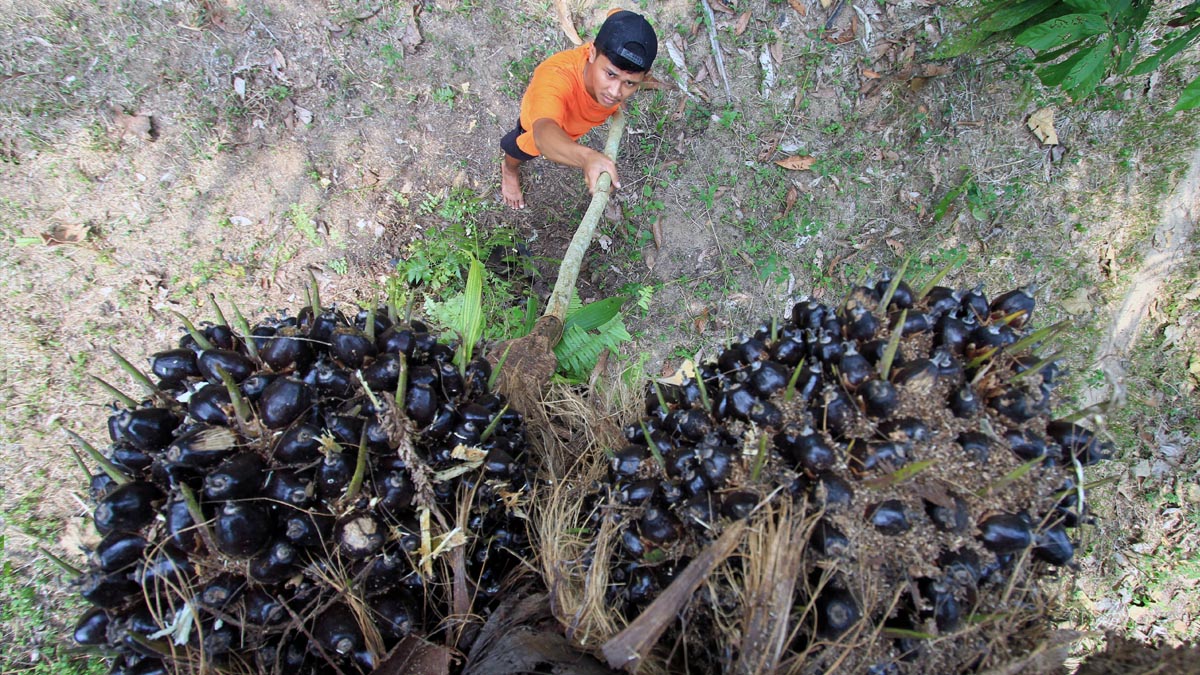
PALMOILMAGAZINE, JAKARTA — Indonesia’s oil palm plantation industry is facing a labor challenge that extends beyond recruitment, with shortages of harvesters increasingly affecting productivity and potentially company revenue.
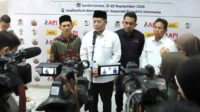
The issue was highlighted at the opening of IPS Planter Talks 2026, organized by the Indonesian Planters Society (IPS) on Saturday (Sept. 19, 2026), under the theme “Oil Palm Human Resources Emergency: No Harvester, No Revenue.”
Also Read: Prabowo Calls Oil Palm a “Miracle Crop,” Highlights Potential for Energy and Downstream Products
The inaugural session focused on how plantation companies can find, develop, retain and engage harvesters as the industry faces increasingly complex labor and productivity challenges.
IPS Planter Talks 2026 is part of the organization’s National Knowledge Series, featuring eight strategic discussions on issues facing Indonesia’s plantation industry under the broader theme “8 Years of IPS, 8 Strategic Conversations for the Future of Plantation.”
Rather than treating each webinar as a standalone event, IPS designed the series as a learning journey covering human resources, productivity, technology, mill excellence, leadership, future planter capabilities, business strategy and leadership experience.
Also Read: KPBN Inacom CPO Price Falls to IDR 15,515/Kg on September 23 as Rotterdam CPO Weakens
Harvester Shortage Goes Beyond Recruitment
IPS Secretary-General Ronald Marpaung said the forum was intended to provide a platform for industry practitioners to share experience as the plantation sector undergoes rapid change.
“Best practices and experience from practitioners should not stop at one plantation, company or generation. That knowledge needs to be shared so it can become a collective learning experience for the industry,” Ronald said, according to a statement received by PalmOilMagazine.
Also Read: Malaysia CPO Prices Fall for Fourth Session as Stocks Rise, Demand Weakens
IPS Chairman Jamalul also pointed to the growing range of challenges facing plantation companies, including changing expectations among younger workers, rising operating costs, productivity pressures, artificial intelligence and mechanization, as well as sustainability, traceability, ESG and governance requirements.
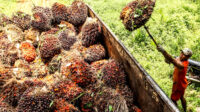
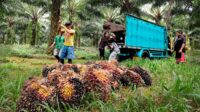
Against this backdrop, harvesters occupy a critical position because their work directly affects the movement of fresh fruit bunches from the field into the production chain.
A shortage of harvesters can therefore have consequences beyond human resources, potentially affecting harvesting cycles, crop recovery and plantation output.
Also Read: European Parliament Simplifies EUDR, Palm Oil Compliance Deadline Extended to 2027
First 90 Days Critical for New Harvesters
The first session, “How to Find and Build Harvesters,” examined the period when workers initially join a plantation company.
Ainol Haqi, Head of Learning & People Development at PT Teladan Prima Agro, said the first 90 days are a critical period for new employees.
Also Read: Indonesia Parliament Passes Agrarian Reform Law with 14 Chapters and 53 Articles
The period involves more than workplace adaptation. It is also when workers develop their skills, establish productivity levels and begin building their relationship with the company.
Structured orientation and support from the first day can help new harvesters understand their responsibilities and working environment before being expected to achieve targeted productivity levels.
This approach shifts the focus from simply recruiting workers to building a workforce capable of performing consistently in the field.
Also Read: Indonesia’s Palm Oil Smallholders: 3 Key Demands to the Government
For plantation companies, the early employment period therefore becomes an important stage in determining whether new workers can develop into productive and committed harvesters.
Retaining Productive Harvesters
Once workers have developed into productive harvesters, the next challenge is retaining them.
During the “How to Keep and Engage Harvesters” session, Harry Agung Pratama, Department Head of HR Business Partner & Organization Development at PT Pasifik Agro Sentosa, said harvester retention cannot be determined solely by income.
Relationships with supervisors, family circumstances, individual needs, certainty of working days, harvesting areas (ancak), fruit availability and operational support can all influence a worker’s decision to stay with a company.
Also Read: Dr. Hari Priwiratama Appointed to Lead Indonesian Oil Palm Research Institute
Transparency in the calculation of premiums and deductions is another consideration.
Workers need to understand how their earnings are calculated, allowing the employment relationship to be built around a clear understanding of compensation and performance.
The discussion highlights the need for plantation companies to view retention as a combination of compensation, workplace conditions, management practices and operational support.
Also Read: Riau Palm Oil FFB Prices Fall IDR 17.54/kg, 9-Year Trees at IDR 3,976.56
From Finding Workers to Sustaining Productivity
The discussions at the first IPS Planter Talks session point to a workforce management chain in which each stage is connected.
The process starts with Find, or securing the workers needed by plantations. It then moves to Build, where workers develop the skills and field experience required for harvesting.
Also Read: West Sumatra FFB Prices Rise IDR 15.06/kg, Reach IDR 4,042.71
Companies must then Engage and Retain workers before focusing on the final objective of Sustain Productivity.
IPS will continue the 2026 series with discussions covering “High-Yield Estate >30 Ton/Ha,” “AI Revolution in Plantation,” “Future Mill 2030,” “Plantation Leadership,” “The Future Planter,” “Top Management Perspective,” and “Ask The Leader.”
The sessions are intended to create a platform for plantation practitioners, professionals, corporate leaders and younger industry talent to exchange experience and discuss operational challenges facing the sector.
Also Read: CPOPC and WWF-Indonesia Link Palm Oil Sustainability to Smallholder Income
For Indonesia’s plantation industry, the harvester challenge ultimately extends beyond the number of workers a company can recruit. The broader issue is whether companies can develop a skilled, engaged and stable workforce capable of maintaining productivity over the long term.
That is the central message emerging from IPS Planter Talks 2026: sustaining plantation performance requires not only sufficient manpower, but also continuous investment in people, skills and knowledge sharing. (P2)