The trade agreement is expected to eliminate tariffs on key Indonesian exports, including palm oil and derivatives, textiles, footwear, and rubber products, while opening broader opportunities for trade, services, and investment.
PALMOILMAGAZINE, JAKARTA — Indonesia is stepping up preparations for the implementation of the Indonesia-European Union Comprehensive Economic Partnership Agreement (I-EU CEPA), with Trade Minister Budi Santoso expressing confidence that the agreement will deliver significant benefits for Indonesian businesses and the national economy.
The Ministry of Trade is coordinating with other ministries and government agencies to finalize ratification documents, align relevant domestic regulations, and ensure technical readiness for the implementation of the agreement.
Also Read: Indonesia and EU Fast-Track IEU-CEPA Ratification, Target Early 2027 Implementation
Budi said I-EU CEPA could provide a new platform for expanding Indonesian products in the European market, attracting investment in strategic sectors, strengthening Indonesia’s position in global supply chains, and deepening mutually beneficial economic ties between Indonesia and the European Union.
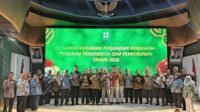
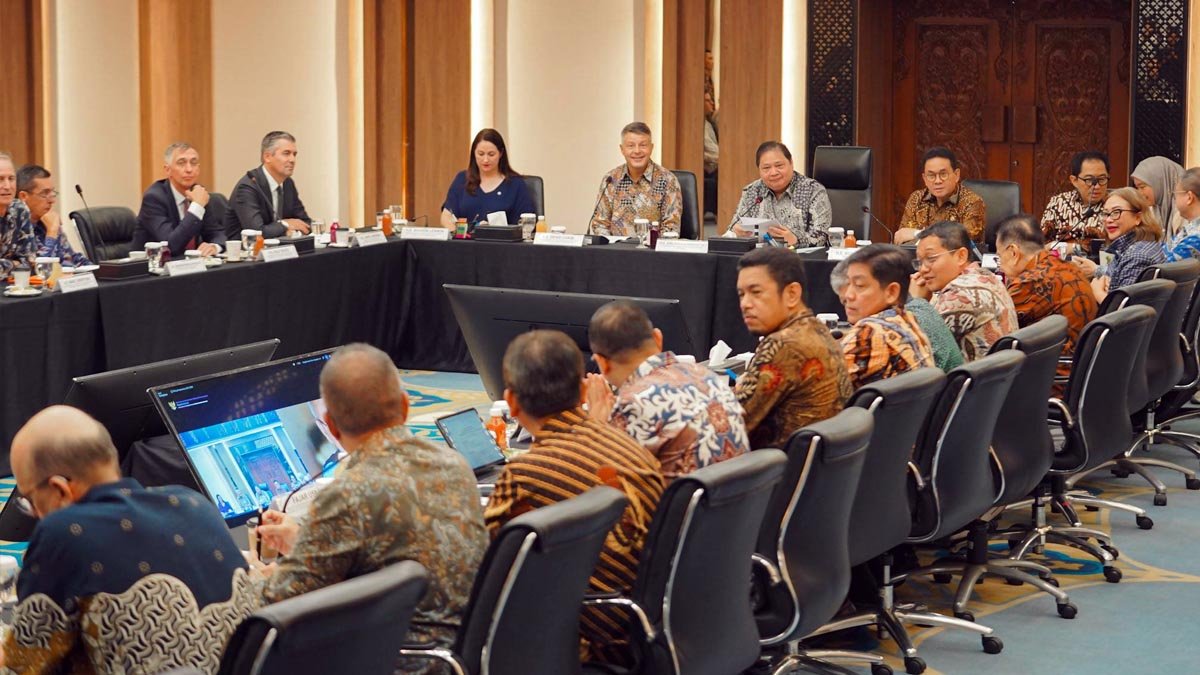
He made the remarks during a Dialogue on Preparations for I-EU CEPA Implementation held at the Coordinating Ministry for Economic Affairs in Jakarta on Friday, August 21, 2026. The meeting was chaired by Coordinating Minister for Economic Affairs Airlangga Hartarto and attended by representatives of government ministries and agencies as well as ambassadors from EU member states.
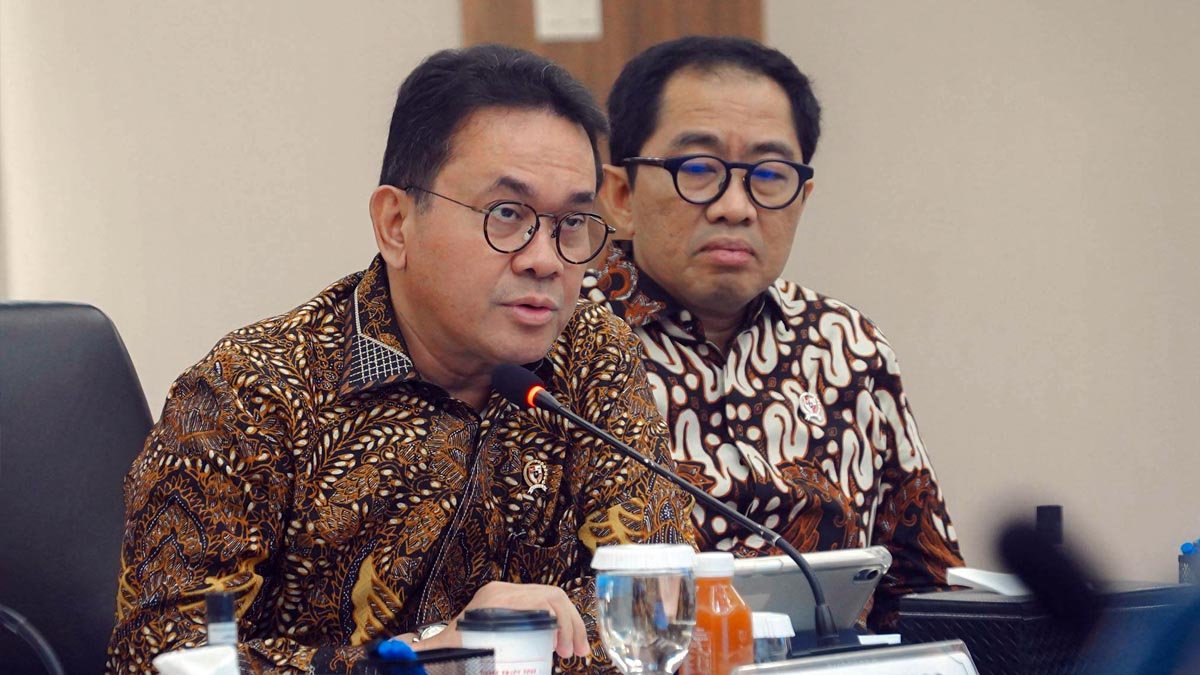
“We are currently working across ministries to finalize the legal documents and various technical aspects required to prepare for the implementation of I-EU CEPA,” Budi said in a statement received by PalmOilMagazine on Friday.
He stressed the government’s commitment to ensuring that the agreement is implemented effectively so that Indonesian businesses can maximize the opportunities it creates.
Also Read: KPBN CPO Price Jumps to IDR 15,925/kg as Malaysian Palm Oil Futures Extend Rally
Stronger Government-Business Coordination
Budi also highlighted the importance of closer communication between the government, business associations, and companies ahead of the agreement’s implementation.
According to him, active participation from the business community will be essential to ensure that opportunities provided under I-EU CEPA can be fully utilized.
Also Read: IEU–CEPA to Boost Indonesian Palm Oil and Plantation Commodities in the European Market
“We continue to collaborate with business associations and encourage communication between Indonesian and European Union companies. This will be particularly important once the agreement is implemented,” he said.
I-EU CEPA is regarded as one of Indonesia’s most comprehensive and modern trade agreements. It will provide Indonesian businesses with access to the EU market, which represents approximately 450 million consumers and a combined gross domestic product (GDP) of around USD 22 trillion.
Negotiations on I-EU CEPA began in 2016 and reached a substantial agreement in September 2025. Indonesia and the EU are currently completing their respective internal procedures, with the agreement targeted for signing in the fourth quarter of 2026, followed by parliamentary ratification and implementation.
Also Read: RSPO–FONAP Reciprocal Membership Marks New Phase of Sustainable Palm Oil Collaboration in Europe
Palm Oil Among Key Products to Gain Zero Tariffs
In terms of market access, I-EU CEPA will liberalize approximately 98% of tariff lines on both sides, covering around 99.5% of total import value.
Several of Indonesia’s major export products, including palm oil and its derivatives, textiles, footwear, and rubber products, are expected to receive zero tariffs once the agreement enters into force.
Also Read: Palm Acid Oil Emerges as a Strategic Commodity as Europe Accelerates Renewable Energy Shift
Meanwhile, several major EU products will also receive zero-tariff treatment in Indonesia, including pulp, aircraft and components, railway equipment and components, and fertilizers.
“For Indonesia, this level of tariff commitment is the highest we have ever provided under a trade agreement. It creates greater opportunities for Indonesian products to enter the European Union market at more competitive tariff rates,” Budi said.
He emphasized that I-EU CEPA goes beyond tariff reductions for trade in goods. The agreement will also expand market access for services and create a more attractive investment environment for European investors in Indonesia.
The agreement is also designed to improve trade procedures and provide greater certainty for businesses.
Digital Trade, Customs and Sustainability
The scope of I-EU CEPA also covers digitalization, faster customs procedures, cooperation on standards, and sanitary and phytosanitary (SPS) measures.
The agreement further provides for cooperation and capacity building across various sectors, including provisions aimed at providing greater certainty on emerging issues involving state-owned enterprises and sustainability and environmental matters.
At the same time, Budi acknowledged that several regulatory requirements in both the EU and Indonesia will require continued attention during implementation.
Among the key issues are the European Union Deforestation Regulation (EUDR), the Carbon Border Adjustment Mechanism (CBAM), and requirements governing fisheries products entering the EU market.
Budi said provisions that could potentially reduce the benefits of I-EU CEPA, including regulations introduced after the agreement is signed, could be discussed jointly by Indonesia and the European Union.
Also Read: Airlangga: Research and Downstream Innovation Will Shape the Future of Indonesia’s Palm Oil Industry
Agreement Targeted for October Signing
Airlangga Hartarto said the government is targeting the signing of I-EU CEPA in October 2026. Once signed, the agreement will proceed to ratification by the respective parliaments of Indonesia and the European Union.
EU Ambassador to Indonesia and Brunei Darussalam Denis Chaibi welcomed the dialogue on implementation preparations.
He said the meeting provided an opportunity for EU member states to reaffirm their commitment to accelerating the signing of I-EU CEPA and following up on the ratification process.
The dialogue is also expected to strengthen engagement between EU member states and Indonesian technical ministries as both sides prepare for the agreement’s implementation.
For Indonesia’s palm oil industry and other export-oriented sectors, the agreement could provide an important opportunity to improve market access and competitiveness in the European market, provided exporters are able to meet the EU’s increasingly stringent sustainability and regulatory requirements. (P3)