

PALMOILMAGAZINE, KETAPANG, INDONESIA — Addressing conflicts in the oil palm plantation sector requires more than legal solutions. Understanding local social structures, cultural traditions and community wisdom is equally important in building lasting relationships between plantation companies and communities in their operational areas.
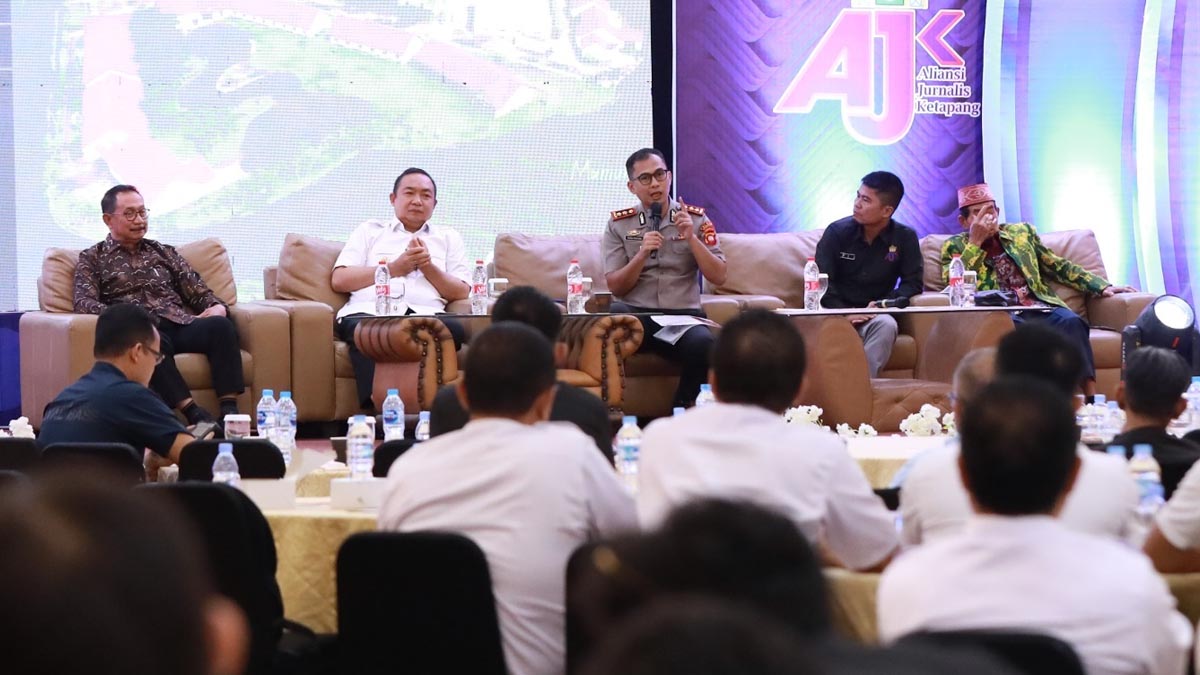
This view was expressed by Priyanto P.S., Chief Corporate Affairs Officer of Bumitama, during a forum organized by the Ketapang Journalists Alliance (Aliansi Jurnalis Ketapang/AJK). The discussion provided a platform for stakeholders to examine regional developments and challenges, including issues affecting the oil palm plantation industry.
Priyanto emphasized that communities in different regions have distinct social characteristics, cultural backgrounds and customary practices. Consequently, plantation-related disputes need to be addressed with an understanding of local circumstances rather than relying exclusively on legal provisions.
Also Read: Bumitama’s CPO Revenue Reaches IDR 10.27 Trillion, Up 23% in H1 2026
“Resolving conflicts in the plantation sector requires more than a legal approach. It also demands an understanding of the social and cultural conditions of local communities. Every region has its own characteristics and local wisdom that deserve respect. With the right approach, differences can be managed through communication and cooperation before they develop into conflicts,” Priyanto said in an official statement received by PalmOilMagazine on Tuesday (Nov. 24, 2026).
Land Issues and Environmental Regulations Among 2027 Challenges
During the forum, Priyanto also outlined several challenges that could influence the oil palm plantation industry in 2027.
These include regulatory developments, land-related disputes, the rights of Indigenous communities and the enforcement of environmental laws. Licensing issues and regional administrative expansion were also identified as factors requiring attention from plantation companies and other stakeholders.
Also Read: BGA Strengthens Independent Smallholder Capacity in Ketapang Through Sustainable Palm Oil Training
He further highlighted the influence of unverified information circulating on social media, which can shape public perceptions of plantation activities and potentially complicate relationships between companies and surrounding communities.
Against this backdrop, companies need to strengthen their understanding of local communities and the issues affecting their livelihoods. Basic needs, a sense of security, recognition and opportunities for personal development are among the considerations that should inform corporate social engagement strategies.
Understanding these needs, Priyanto suggested, can help companies establish more effective communication and develop collaborative initiatives that reflect the specific circumstances of each operating area.
Also Read: BGA Strengthens Independent Smallholder Capacity in Ketapang Through Sustainable Palm Oil Training
Community Engagement as a Foundation for Sustainable Plantations
For Bumitama, maintaining constructive relationships with surrounding communities is an integral part of its commitment to sustainable plantation operations.
The company emphasizes open communication, respect for local wisdom and collaboration with relevant stakeholders as important elements in building mutually beneficial relationships.
Also Read: Future of Oil Palm Plantations: 36 Practitioners Identify Key Planter Skills for 2036
Such engagement is intended not merely to respond to disputes after they arise, but also to establish a foundation for preventing misunderstandings and managing differences through dialogue.
In the longer term, effective social relationship management is increasingly important for plantation companies as they navigate regulatory changes, land governance challenges and growing expectations regarding environmental and social responsibility.
The approach underscores the importance of integrating social considerations into plantation management, recognizing that the industry’s long-term sustainability depends not only on operational performance and environmental compliance but also on constructive relationships with the communities surrounding its operations. (P2)