

PALMOILMAGAZINE, YOGYAKARTA — The sale or transfer of ownership of smallholder plasma oil palm plantations to parties outside their original communities risks triggering capital flight and reducing the economic benefits that should remain within local plantation areas.
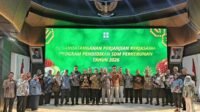
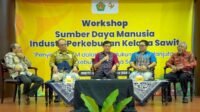
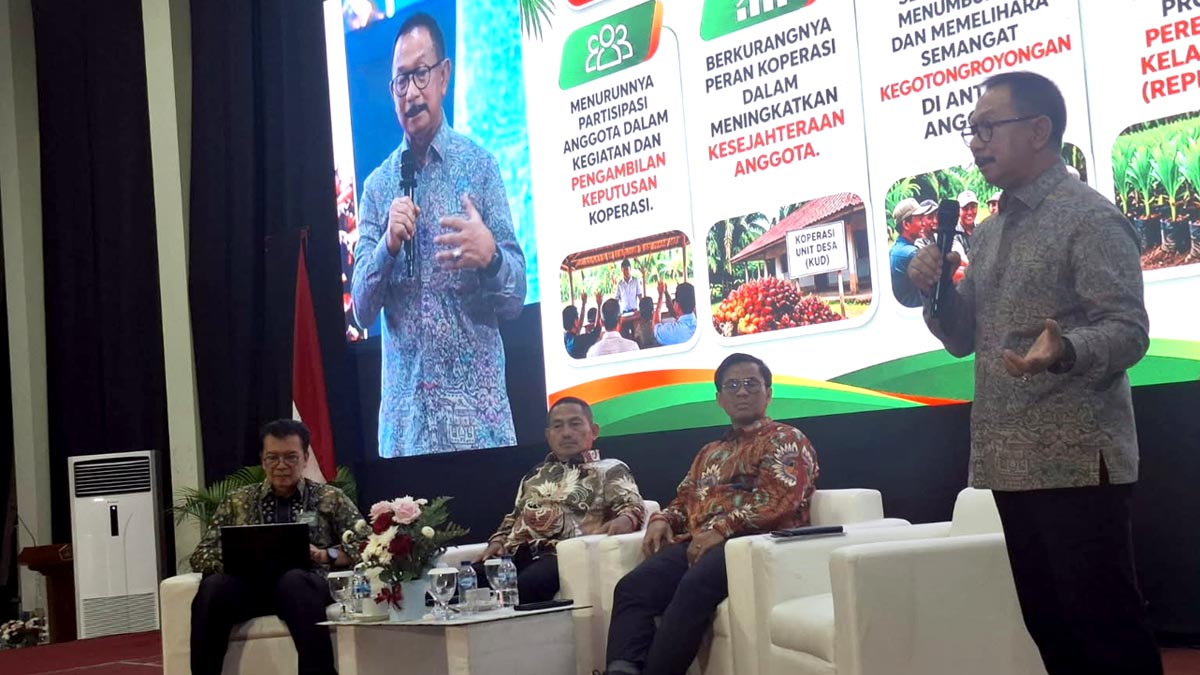
The issue was highlighted by Ir. Priyanto, PS, Chief Corporate Affairs Officer of PT Bumitama Gunajaya Agro Group, during the National Workshop and Conference on Palm Oil Plantation Partnerships, themed “Kebun Kemitraan Dijual Rakyat Tertinggal” (When Partnership Plantations Are Sold, Communities Are Left Behind), in Yogyakarta on Thursday (Nov. 26, 2026).
In his presentation, Priyanto drew attention to the transfer of plasma plantation ownership to buyers from outside the original subdistricts or regencies. Such transactions, he argued, could weaken local economic circulation because income generated from plantation activities would no longer be fully retained by the communities originally designated as beneficiaries.
Also Read: Palm Oil Partnerships Must Deliver Real Benefits to Communities, KAINSTIPER Chairman Says
He presented several estimates concerning changes in plasma plantation ownership and their potential economic consequences for local communities. These figures illustrate the risk of economic benefits shifting from plantation-producing regions to other areas, although the underlying calculations and the precise scale of the impact require further verification.
Ownership Transfers Could Weaken Cooperatives
The consequences of plasma plantation sales extend beyond individual smallholders and could also affect the institutional strength of cooperatives.
A decline in the number of local members involved in plantation ownership and decision-making could narrow the cooperative’s participation base, reduce the number of members receiving residual business income (Sisa Hasil Usaha or SHU), and weaken its role in improving members’ economic welfare.
Also Read: INSTIPER Rector Calls for Adaptive Partnership Models to Support Indonesia’s Palm Oil Industry
The issue could also complicate the implementation of Indonesia’s Smallholder Oil Palm Replanting Programme (Peremajaan Sawit Rakyat or PSR), particularly when changes in ownership involve revisions to the names of registered smallholders or the data on prospective farmers and plantation locations (CPCL).
Unclear ownership status could create administrative complications and potentially lead to disputes during programme implementation.
Social Risks for Plantation Companies
From the company’s perspective, transferring plasma plantation ownership to outside parties could also affect relationships with surrounding communities.
Reduced involvement of the original beneficiaries may create social tensions, competing land claims and potential conflicts that could undermine the continuity of plantation partnerships.
Also Read: Bumitama Highlights Social and Cultural Approach to Prevent Oil Palm Plantation Conflicts
Priyanto therefore emphasized the importance of transparent partnership governance and effective safeguards for communities originally designated as beneficiaries.
He said cooperatives should function beyond their administrative responsibilities and serve as communication channels and social infrastructure connecting smallholders, plantation companies and local communities.
A stronger cooperative role is considered essential to maintaining stakeholder relationships and ensuring that the economic objectives of plasma partnerships continue to benefit their intended recipients.
Need for Clearer Regulations on Plasma Ownership Transfers
Priyanto also called for a policy framework governing the transfer of ownership of plasma plantations.
Such regulations, he said, should strike a balance between protecting the economic interests of local communities and providing legal certainty for all parties involved in ownership transactions.
The national workshop and conference are expected to help translate these challenges into concrete recommendations for the government, plantation companies, cooperatives and other stakeholders.
Ultimately, plasma plantation partnerships must remain effective instruments for distributing economic benefits, strengthening local economies and supporting sustainable relationships between plantation companies and the communities surrounding their operations. (P3)