

PALMOILMAGAZINE, YOGYAKARTA — Palm oil plantation partnerships must go beyond formal agreements and administrative obligations to deliver tangible economic benefits to communities surrounding plantation areas. Stronger transparency, fair governance and effective protection of beneficiaries are essential to ensuring that partnership schemes fulfil their intended purpose.
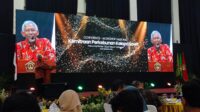
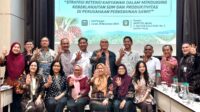
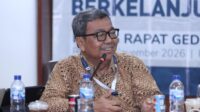
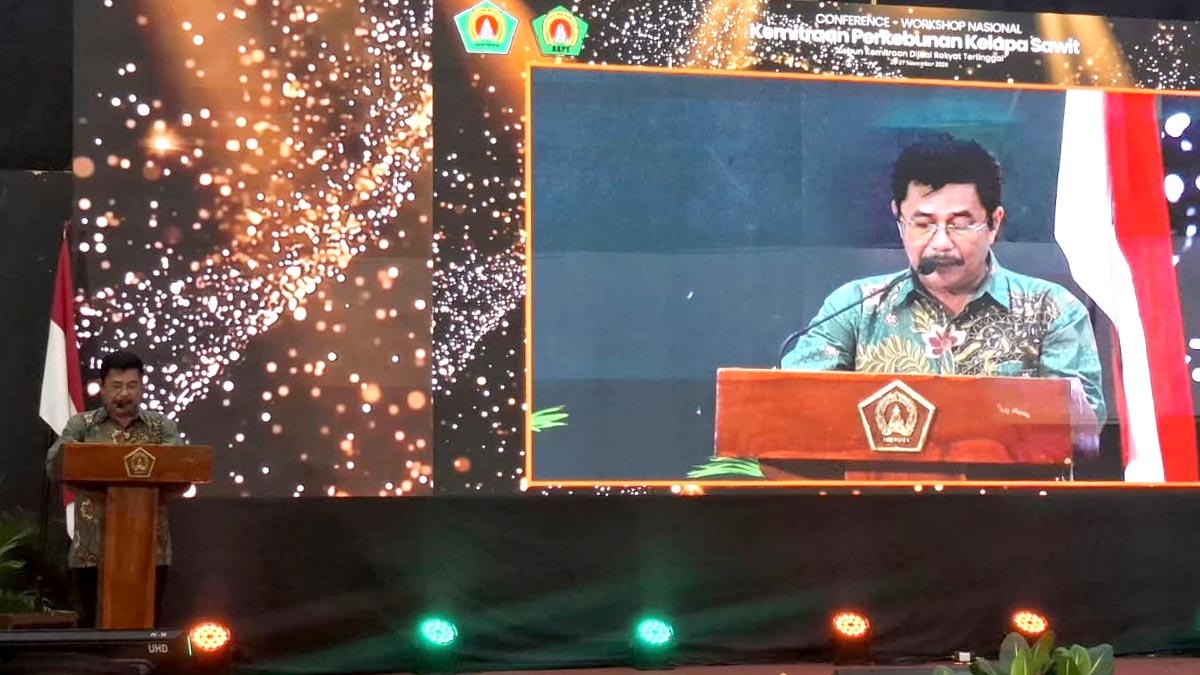
The message was delivered by Johan Sukardi, Chairman of KAINSTIPER Yogyakarta, during the National Workshop and Conference on Palm Oil Plantation Partnerships, themed “Kebun Kemitraan Dijual Rakyat Tertinggal” (When Partnership Plantations Are Sold, Communities Are Left Behind), held in Yogyakarta on Thursday (Nov. 26, 2026).
Attended by PalmOilMagazine, the event provided a platform for stakeholders to evaluate existing partnership arrangements and discuss ways to strengthen their implementation across Indonesia’s palm oil sector.
Also Read: INSTIPER Introduces 825 New Students to Plantation, Forestry Industries Through OKKABUN 2026
According to Johan, plantation partnerships are a strategic instrument for strengthening local economies, particularly in communities living alongside oil palm plantations. Properly managed partnerships should provide smallholders and surrounding communities with meaningful opportunities to participate in and benefit from plantation-related economic activities.
However, he cautioned that implementation on the ground continues to face several challenges. One major concern arises when partnership plantations are sold, potentially leaving the communities that were supposed to benefit from the arrangements without the economic returns they were promised.
“When partnership plantations are sold and their economic benefits are no longer enjoyed by the communities, this should become a matter of collective reflection,” Johan said.
He stressed that addressing these problems requires more than administrative adjustments. Fundamental improvements are needed in policy frameworks, transparency, governance mechanisms and safeguards to protect communities as the intended beneficiaries of plantation partnerships.
Johan also urged stakeholders to use the national workshop and conference as an opportunity to establish constructive dialogue. Rather than focusing on assigning blame, he said, discussions should concentrate on identifying practical solutions to improve partnership management.
“This is an opportunity to address the needs and challenges that exist. We do not need to blame one another; instead, we must work together to improve plantation governance,” he said.
Also Read: Future of Oil Palm Plantations: 36 Practitioners Identify Key Planter Skills for 2036
Turning Partnership Recommendations into Practical Solutions
Johan further emphasized that ideas and recommendations emerging from the conference should not remain confined to discussion papers or formal event documents. Instead, they should be translated into actionable policy recommendations and practical measures that can be implemented at the plantation level.
He said successful palm oil partnerships depend on strong collaboration among smallholders, government institutions, plantation companies and communities surrounding plantation areas.
Closer coordination among these stakeholders is essential to building more accountable plantation governance while ensuring that economic benefits are distributed fairly among those involved.
Also Read: Agriculture Minister Amran Stays Focused on Farmers Despite Vice Presidential Candidate Speculation
At the conclusion of his remarks, Johan expressed appreciation to the various palm oil industry stakeholders who had supported the organization of the national workshop and conference.
He expressed hope that the event would generate constructive solutions and recommendations that prioritize the interests of communities, particularly smallholders and beneficiaries of plantation partnership schemes.
Ultimately, palm oil partnerships should not merely serve as a mechanism for companies to fulfil regulatory obligations. They must evolve into sustainable economic cooperation models that generate added value, improve community welfare and establish stronger, long-term relationships between plantation companies and surrounding communities. (P3)