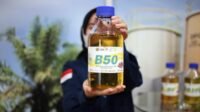
PALMOILMAGAZINE, JAKARTA – Indonesia’s mandatory B50 biodiesel program is expected to serve not only as a cornerstone of the country’s energy security strategy but also as a catalyst for improving the productivity of its palm oil plantations, particularly those managed by smallholders.
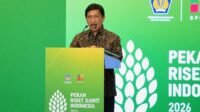
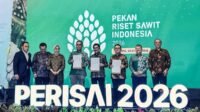
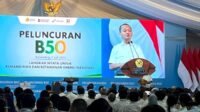
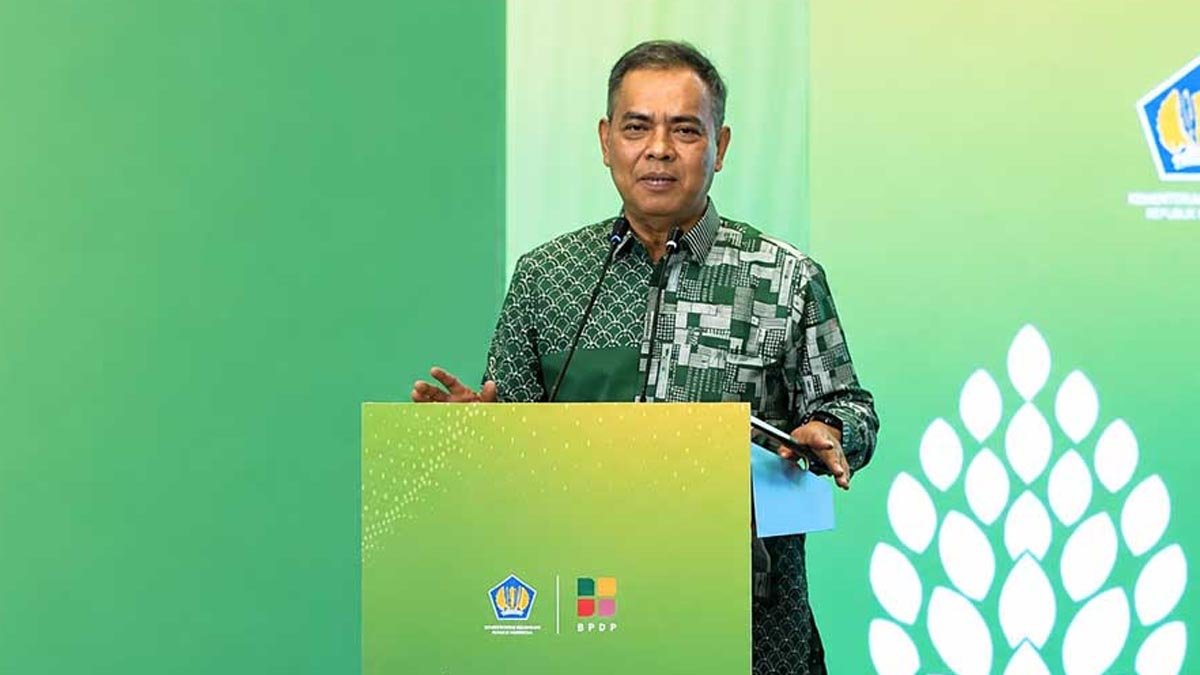
Speaking during a press conference on the sidelines of the Indonesian Palm Oil Research Week (PERISAI) 2026 in Jakarta on Monday (July 20), Heru Tri Widarto, Acting Director General of Plantations at the Ministry of Agriculture, said rising domestic demand for palm oil under the B50 mandate makes higher plantation productivity more important than ever.
According to Heru, Indonesia still has significant room to increase palm oil yields, especially among smallholder plantations, through the adoption of Good Agricultural Practices (GAP), the use of high-quality planting materials, and stronger human resource development.
Also Read: BPDP Highlights Human Capital Investment and B50 Rollout as Keys to Palm Oil Competitiveness
“There is still considerable potential to improve Indonesia’s palm oil productivity. The B50 biodiesel program provides additional momentum to further increase national palm oil production,” Heru said at an event attended by Palmoilmagazine.com.
He explained that the government continues to strengthen plantation development through technical assistance, plantation business assessments, and investment support involving both public and private sector stakeholders.
Beyond increasing production, Heru emphasized that developing a skilled workforce is equally critical to the future of Indonesia’s palm oil industry. He said technology transfer and farmer capacity-building must be expanded so that innovations developed by research institutions can be effectively adopted at the plantation level.
Also Read: Agrinas Palma Strengthens Cooperative-Based Plasma Partnerships with Government Support in Riau
“Higher production cannot rely solely on government programs. We must also strengthen the capabilities of our smallholders so they can successfully implement modern cultivation technologies and innovations,” he added.
Heru revealed that the government has supported palm oil plantation development across approximately 360,000 hectares, with further progress expected through stronger collaboration between central and regional governments, private companies, and other industry stakeholders.
He also stressed that increasing productivity is a more strategic approach than expanding plantation acreage. By maximizing yields from existing plantations, Indonesia can raise palm oil output while maintaining its commitment to sustainable development.
Also Read: BPDP Chief: Palm Oil Research Must Deliver Real Innovation for Farmers and Industry
According to Heru, the long-term success of the B50 biodiesel mandate will depend on Indonesia’s ability to secure a reliable domestic supply of palm oil feedstock. For that reason, improving the productivity of smallholder plantations remains one of the government’s highest priorities.
“We must seize this opportunity to produce palm oil that is more productive, more efficient, and more competitive, enabling Indonesia to meet growing domestic demand while maintaining its leadership in the global palm oil market,” Heru concluded. (P2)