Palm oil farmer groups say a proposed moratorium on new palm oil mills in Jambi could raise transport costs, weaken smallholder bargaining power and limit future processing capacity as replanting programs lift fresh fruit bunch production.
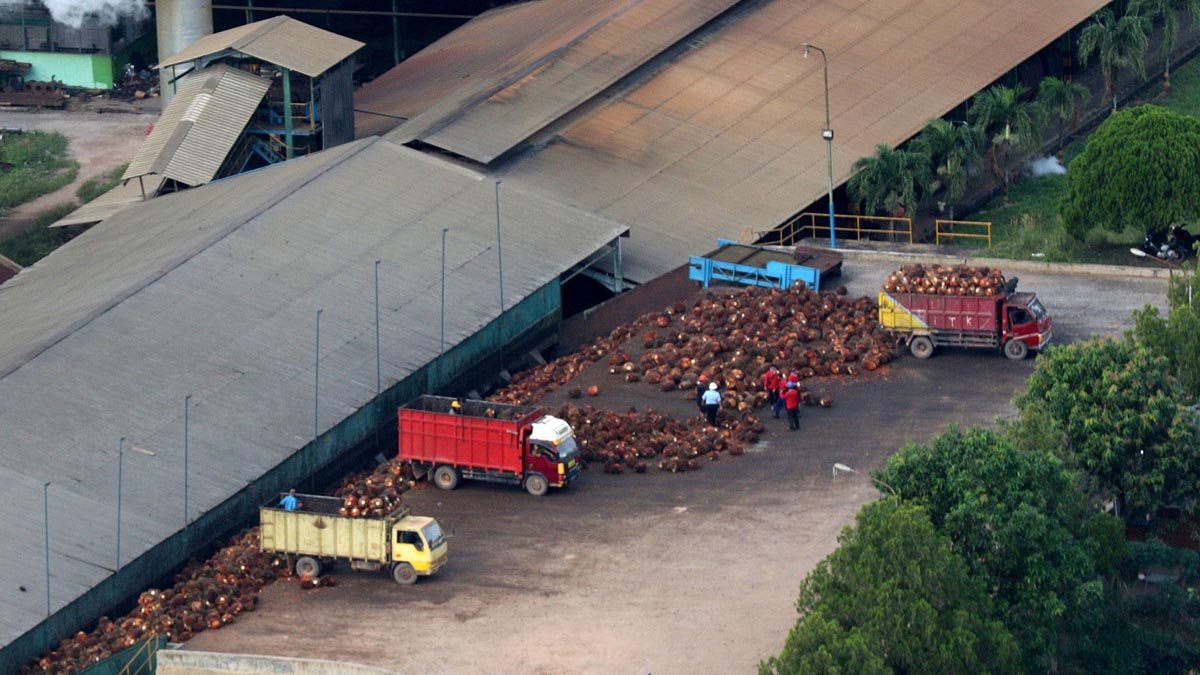
PALMOILMAGAZINE, JAMBI — Indonesia’s palm oil farmer organizations have rejected a plan by the Jambi provincial government to impose a moratorium on new palm oil mills, warning that the policy could hurt independent smallholders and constrain the development of the province’s downstream palm oil industry.
The Indonesian Palm Oil Farmers Organization (POPSI) and the National Palm Oil Farmers Network (JPSN) Jambi chapter issued the objections in response to Jambi Governor Letter No. 1637/DISBUN-3/VII/2026 dated July 27, 2026, requesting palm oil mill data from eight regencies as part of preparations for the proposed moratorium.
POPSI Chairman Mansuetus Darto said the organization understood the provincial government’s efforts to improve palm oil industry governance, but argued that a blanket moratorium would not address the underlying problems and could instead increase costs for independent smallholders.
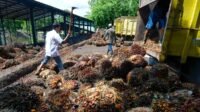
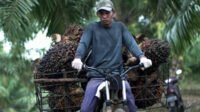
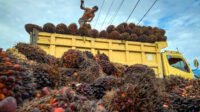
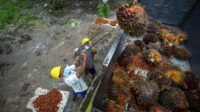
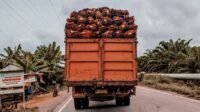
The fewer palm oil mills operating in a region, Darto said, the farther farmers may have to transport their fresh fruit bunches (FFB) to buyers. Longer delivery distances directly increase transportation costs while weakening farmers’ bargaining position.
“Independent farmers are already paying around IDR 200 to IDR 300 per kilogram in FFB transportation costs because of the distances involved. Restricting new mill development could make the situation even more difficult,” Darto said in an official statement received by PalmOilMagazine on Aug. 9, 2026.
Also Read: Riau Independent FFB Price Rises IDR 23.35/kg to IDR 3,936.63 for Aug. 5–11
Darto also warned that the moratorium could undermine Jambi’s ambitions to develop its downstream palm oil industry. Plans for an integrated industrial area and the development of Ujung Jabung Port, he said, would require reliable CPO supplies from the upstream sector.
Restricting new mills could also encourage investment to move to neighboring provinces such as Riau, South Sumatra and West Sumatra, he said. Jambi could consequently lose investment and value-added opportunities, while FFB from border areas could continue to be shipped outside the province.
Subadri, founder of the Jambi chapter of the National Palm Oil Farmers Network, said the provincial government’s effort to collect data on mill legality, locations, licensed capacity and utilization rates was a positive step.
Also Read: Jambi Palm Oil FFB Prices Fall Rp30.2/kg for Aug. 7–13, 2026
However, the data should be used to strengthen oversight of partnership obligations between mills and surrounding plantations rather than as a basis for restricting new mill investment, he said.
Subadri also argued that the government should focus on maintaining a healthy and competitive business environment.
He noted that lower FFB production caused by the El Niño weather phenomenon is temporary. At the same time, thousands of hectares of independent smallholder plantations in Jambi are undergoing the Smallholder Palm Oil Replanting Program (PSR), supported by the Plantation Fund Management Agency (BPDP).
Also Read: 91 OKU Smallholders Join BPDP-IPB Training to Strengthen Sustainable Palm Oil Productivity
The program is replacing unproductive palms with certified high-yielding planting material. Once the replanted areas reach productive maturity, FFB production is expected to increase significantly.
“If mill capacity is restricted now, the impact will be felt when PSR production increases. Production will rise, but processing capacity will already have been constrained,” Subadri said.
The proposed moratorium has also drawn support for the farmers’ position from Ahmad Fahmi, a Gerindra Party member of the Merangin Regional Legislative Council (DPRD) and its deputy speaker.
Also Read: Sungai Bahaur Estate Shows Marginal Land Can Deliver High Palm Oil Yields
Fahmi argued that the main challenge facing the palm oil industry is not the number of mills but the quality of partnerships between companies and farmers.
He said the government should instead prioritize stronger traceability systems through more comprehensive registration of cultivation certificates (STDB), faster Indonesian Sustainable Palm Oil (ISPO) and Roundtable on Sustainable Palm Oil (RSPO) certification, and broader smallholder empowerment.
More accurate farmer data would improve access to replanting programs, infrastructure and other support from BPDP, as well as opportunities to enter export markets that require supply-chain traceability, he said.
Also Read: Riau Plasma FFB Price Rises IDR 26.56 to IDR 4,011.82/Kg
As an alternative to a blanket moratorium, POPSI and JPSN proposed requiring every new palm oil mill project to demonstrate a clear supply base and establish legally recognized partnerships with plantations in surrounding areas.
The farmer organizations said such an approach would allow the provincial government to strengthen industry oversight without undermining investment conditions or farmers’ access to markets.
POPSI also said decisions on future mill capacity should involve regency governments and palm oil farmers more closely, given their role in the regional FFB supply chain.
A more localized approach, the organization said, would allow policies to better reflect conditions on the ground while supporting fairer partnerships for independent palm oil smallholders in Jambi. (P2)