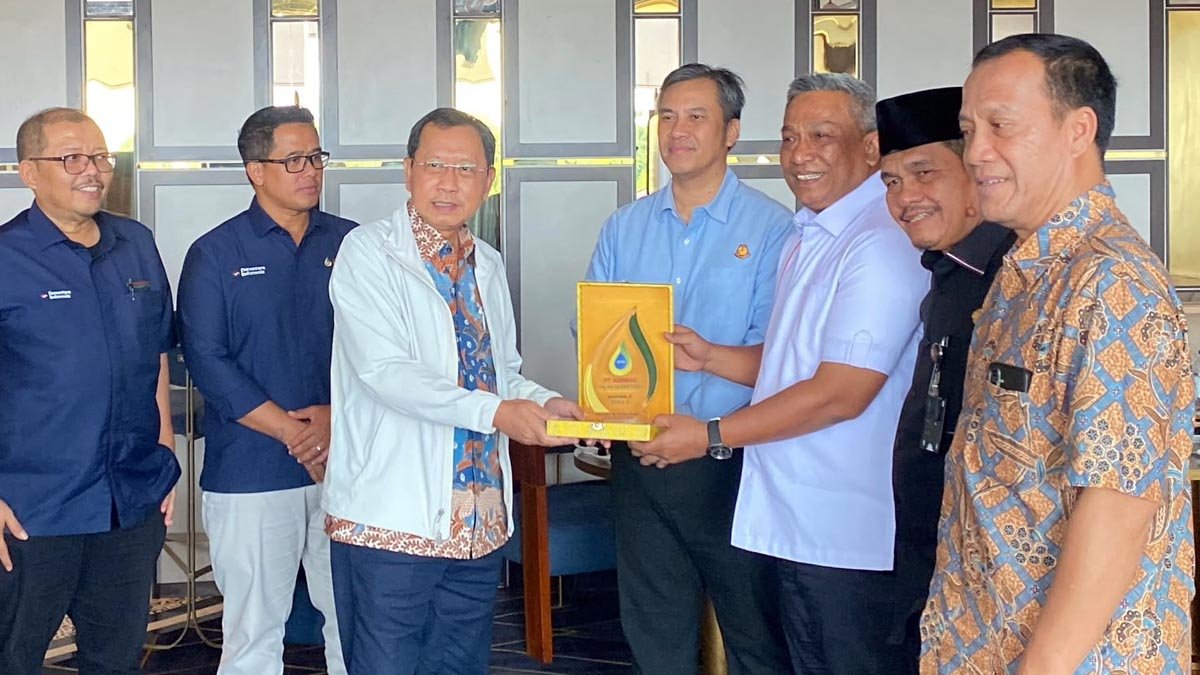
PALMOILMAGAZINE, JAKARTA – PT Agrinas Palma Nusantara (Persero) is strengthening collaboration with central and regional governments, lawmakers, law enforcement agencies, cooperatives, and local communities to improve sustainable palm oil plantation management through cooperative-based plasma partnerships in Riau Province.
The initiative was marked by a series of meetings between the company’s board of directors and key stakeholders in Rokan Hulu Regency, aimed at building a more transparent, accountable, and equitable plasma management system.
During a working visit on July 16, the company’s executives met with the Rokan Hulu District Attorney’s Office, the Regent of Rokan Hulu, and the former Regent to discuss the future management of plasma plantations. The discussions also sought local government support for partnership agreements involving the company, cooperatives, and surrounding communities.
According to an official statement received by Palmoilmagazine.com on Wednesday (July 22, 2026). The meetings were attended by Seger Budiarjo, Director of Partnership and Plasma; Tuhu Bangun, Director of Operations; and I Nyoman Suparta, Director of Legal Affairs. The company emphasized that cross-institutional support is essential to strengthen coordination and provide legal certainty for all stakeholders participating in the plasma program.
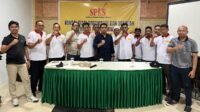
The engagement continued on July 17 with a dialogue involving Achmad, a member of Commission VI of the House of Representatives (DPR RI), and Budiman Lubis, a member of the Riau Provincial Legislative Council (DPRD). Discussions focused on improving plasma management in Rokan Hulu, covering land status, partnership models, cooperative empowerment, and stronger collaboration between the company and local communities.
During the meeting, Agrinas Palma reaffirmed its commitment to implementing a single management system for plasma plantations managed jointly with cooperatives or other partner institutions. The company said the model is designed to ensure transparency, accountability, and fairness for all parties involved.
Agrinas Palma also noted that the partnership framework will be developed based on independent assessments, allowing management mechanisms and benefit-sharing arrangements to be established on objective and well-founded principles.
Beyond partnership structures, participants highlighted the importance of maintaining integrity throughout the transition process. Key priorities include empowering local vendors, increasing local employment opportunities, and strengthening the role of regional governments in verifying and registering eligible plasma beneficiaries.
Through this collaborative approach, Riau is expected to become a model for inclusive, equitable, and sustainable plasma plantation management, demonstrating close cooperation between the company, government institutions, cooperatives, and local communities.
PT Agrinas Palma Nusantara stated that strengthening plasma partnerships forms part of its broader commitment to providing legal certainty, improving the welfare of communities surrounding plantations, reinforcing cooperative institutions, and supporting a productive, sustainable palm oil sector that contributes to Indonesia’s national development. (P3)