
The World Bank and CPOPC are urging private capital to move beyond production growth and support smallholders, rural economies and better-quality jobs across the palm oil value chain.
PALMOILMAGAZINE, BANGKOK — Private investment in the palm oil industry should do more than expand production. It should also create jobs, strengthen rural economies and open new business opportunities for smallholders, speakers at a World Bank-CPOPC investment forum said.
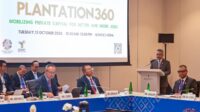
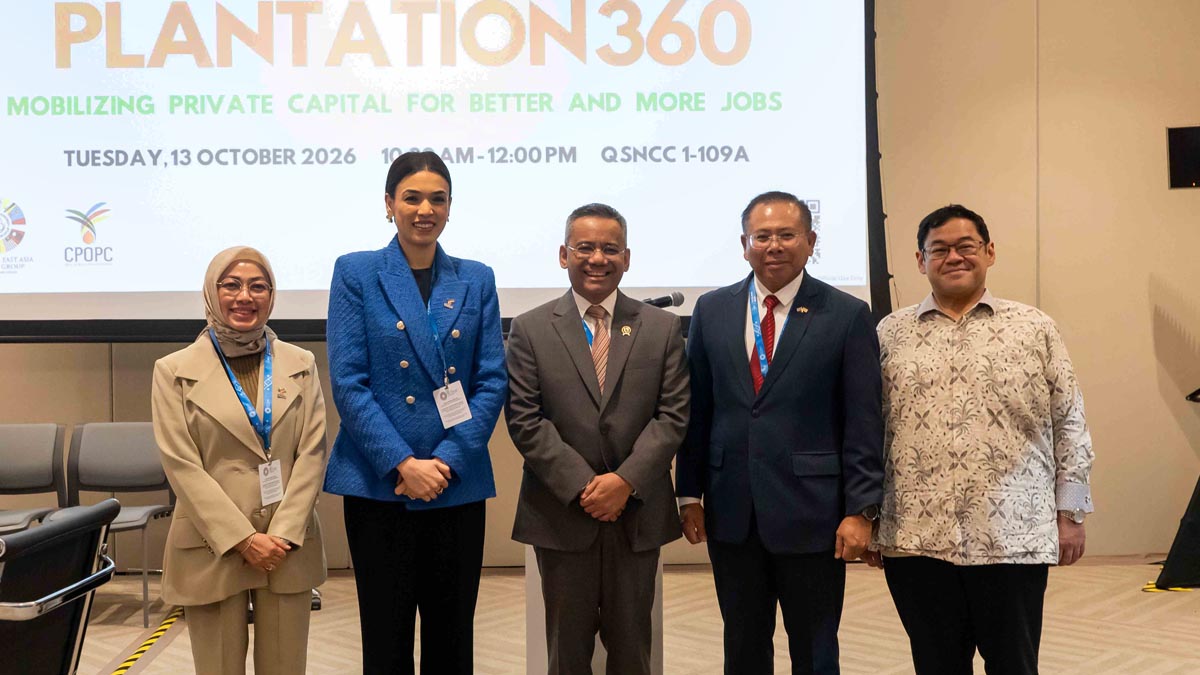
The issue was at the center of the “Plantation 360: Mobilizing Private Capital for More and Better Jobs” seminar, jointly organized by the Office of the Executive Director for the Southeast Asia Voting Group (EDS16) at the World Bank Group and the Council of Palm Oil Producing Countries (CPOPC).
Also Read: CPOPC Expands Smallholder Training Program to Malaysia to Boost Sustainable Palm Oil Production
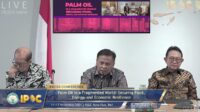
Held on the sidelines of the 2026 Annual Meetings of the World Bank Group and the International Monetary Fund (IMF) in Bangkok, Thailand, the forum examined how investment opportunities across the palm oil value chain can be developed into bankable projects while delivering broader economic benefits to local communities.
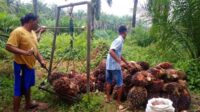
Palm oil is a major source of employment across the global value chain, spanning cultivation, transportation, processing, trading and downstream industries. More than seven million smallholders worldwide depend on the commodity for their livelihoods.
The scale of the industry creates significant opportunities for private finance across different segments of the value chain. But participants stressed that investment strategies should go beyond expanding production capacity and instead strengthen small businesses, raise productivity and generate better employment opportunities.
Also Read: CPOPC and WWF-Indonesia Link Palm Oil Sustainability to Smallholder Income
Replanting, Downstream Processing Seen as Investment Opportunities
The discussion identified several areas with potential to attract investment, including plantation replanting, improved agricultural practices, processing, traceability systems, digital services and the utilization of oil palm biomass.
Investment in these areas could raise productivity while creating new sources of economic activity. Biomass utilization, for example, could generate additional revenue streams beyond conventional plantation products, while digital services and traceability systems could improve supply-chain management and transparency.
Also Read: KPBN Inacom CPO Price Rises to IDR 15,050/kg on Monday (Oct. 19), Malaysia Futures End Mixed
Turning these opportunities into investable projects, however, will require reliable information, workable policies, market access and effective risk-management mechanisms.
For smallholders and micro, small and medium-sized enterprises (MSMEs), access to finance also needs to be complemented by technical assistance that reflects conditions on the ground.
Indonesian Ambassador to Thailand Hari Prabowo opened the event, while Indonesian Finance Minister Suahasil Nazara delivered a keynote address on the role of development finance in mobilizing investment and creating better jobs.
Also Read: Malaysia CPO Futures End Mixed as Higher Inventory Concerns Weigh on Market
CPOPC Secretary-General Izzana Salleh placed the investment agenda in the broader context of strengthening rural livelihoods, increasing value addition and building more resilient growth in palm oil-producing countries.
“Investment in the palm oil sector should not only expand production. It should also help businesses increase value addition, provide fair opportunities for smallholders and MSMEs, and create better job prospects for workers and rural communities,” Izzana said in an official statement published by PalmOilMagazine on Monday (Oct. 19, 2026).
Financing Must Reach Smallholders and MSMEs
The panel brought together perspectives from development institutions, investors and industry players on how investment can translate into tangible economic benefits for local communities.
World Bank Vice President for Planet Guangzhe Chen discussed the links between resilient rural transformation, job creation and private sector-led development. From the investment perspective, Raisewell Ventures Board Director Jeep Kline highlighted innovation in sustainable value chains, traceability and smallholder engagement.
Also Read: North Sumatra FFB Prices Rise to IDR 3,674/kg for October 14–20, 2026
Malaysian Palm Oil Association (MPOA) CEO Roslin Azmy Hassan addressed the challenge of balancing sustainability, profitability and long-term industry growth.
Financial inclusion was another key theme. Naphongthawat Phothikit of the Bank of Thailand examined whether digital payment systems and financing solutions could be deployed safely and effectively for smallholders and MSMEs. Maharani Hapsari of Universitas Gadjah Mada provided insights into plantation replanting and the adoption of good agricultural practices.
The discussion also examined the role of public-private partnerships in unlocking investment. Reynaldi Hermansjah of PT Sarana Multi Infrastruktur shared experience with financing under partnership schemes, while Amri Bukhairi Bakhtiar of the Indonesia-Malaysia-Thailand Growth Triangle highlighted opportunities for regional cooperation to strengthen agricultural value chains.
Also Read: Rising Biodiesel Demand Could Push CPO Prices Higher in 2027, GAPKI Says
On the byproduct side, Dikki Akhmar of the Indonesian Palm Kernel Shell Entrepreneurs Association discussed the potential of oil palm biomass to generate new businesses and employment.
Together, the perspectives underscored that mobilizing capital is only one part of the development agenda. Investment must also strengthen workforce skills, expand market access and increase the participation of smaller businesses so that economic benefits reach a broader segment of society, including women and younger generations.
Private Capital Key to Palm Oil Industry Transformation
Nakhafi Hassan, Executive Director Alternate for EDS16, emphasized the importance of investors, financial institutions and industry players in driving the transformation of the plantation sector.
“There is no path to the transformation we envision without the active participation of investors, financial institutions and industry. Public resources are essential as a catalyst, but they cannot replace the scale of financing that private capital can provide,” Nakhafi said.
Also Read: Indonesia Domestic Palm Oil Consumption Seen Surpassing Exports in 2026
The statement highlights the need for a clear division of roles between the public and private sectors. Public financing can help reduce investment barriers and create enabling conditions, while private capital is needed to scale projects and broaden their economic impact.
EDS16 and CPOPC will consider how the forum’s discussions can inform further dialogue on bankable investment opportunities, inclusive finance and partnerships across more resilient agricultural value chains.
For the palm oil industry, the next challenge is to ensure that investment does not stop at new facilities and higher production. Success should also be measured by the ability to strengthen smallholders, expand domestic value addition and create sustainable employment opportunities for rural communities. (P2)