Government aims to strengthen local economies through commodity-based regional development while resolving legacy land issues in transmigration settlements.
PALMOILMAGAZINE, Jakarta, Indonesia — For Indonesia’s Deputy Minister of Transmigration, Viva Yoga Mauladi, palm oil is more than one of the country’s leading export commodities. It is a livelihood that has helped thousands of transmigrant families build prosperous lives and develop new economic centers across Indonesia.
Viva believes the role of the transmigration program has evolved significantly. Rather than simply relocating people to new areas, the government is now focused on ensuring that transmigrant communities and their neighboring local residents can achieve long-term economic prosperity through the development of locally competitive industries.
Also Read: SPKS Backs North Konawe’s Sustainable Palm Oil Roadmap with Focus on Smallholder STDB and ISPO
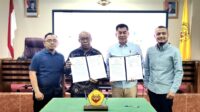
That philosophy also underpins the Ministry of Transmigration’s decision to remain engaged in resolving land disputes in former transmigration areas, including overlapping land claims reported in South Kalimantan and several parts of Riau. Although some of the cases no longer fall under the ministry’s formal jurisdiction, Viva said the government has a responsibility to continue supporting communities established through the national transmigration program.
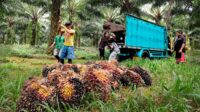
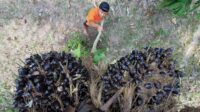
For Viva, palm oil has become one of the strongest pillars of that success. The commodity supports millions of livelihoods, benefiting independent smallholders, state-owned plantation companies, and private agribusinesses alike.
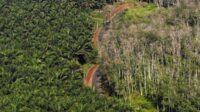
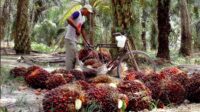
According to data from the Ministry of Transmigration, Indonesia’s transmigration areas comprise approximately 3.1 million hectares of National Priority Areas and former PIR-Trans (Nucleus Estate and Smallholder Transmigration) estates. Around 600,000 hectares of that land have been developed into oil palm plantations.
Also Read: EU Exempts Palm Oil Waste from EUDR, Creating New Opportunities for Circular Economy Growth
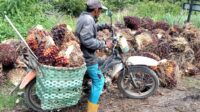
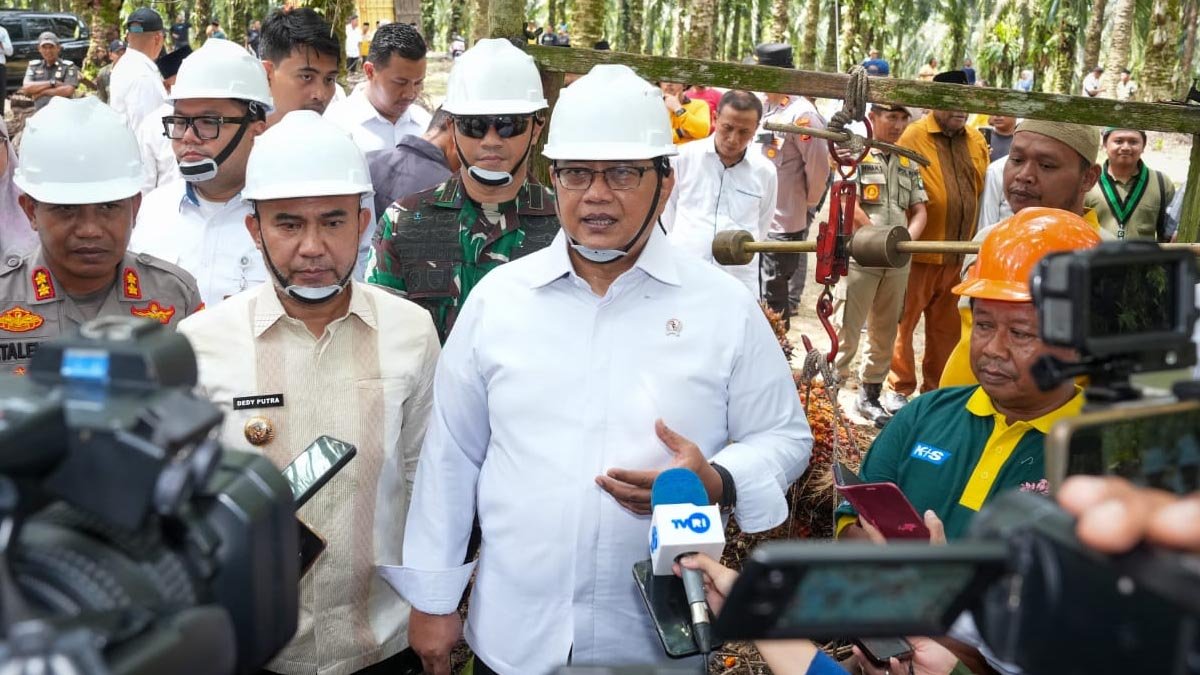
A recent visit to Bungo Regency, Jambi Province, reinforced Viva’s belief in the sector’s contribution. He observed how land allocated through the PIR-Trans program and managed under the nucleus-plasma partnership model has enabled participating families to secure land ownership, improve household incomes, invest in their children’s education, and strengthen village economies.
“The plantations have become a source of sustainable livelihoods for transmigrant families,” Viva said, describing palm oil as one of the commodities that has successfully delivered long-term economic benefits to rural communities.
Looking ahead, however, Viva emphasized that Indonesia’s future transmigration strategy should not rely exclusively on palm oil. Instead, he envisions each region developing industries that reflect its own comparative advantages—from oil palm in Sumatra to rice production in Papua, and cocoa, durian, and horticultural crops in Sulawesi.
Also Read: SPKS Backs North Konawe’s Sustainable Palm Oil Roadmap with Focus on Smallholder STDB and ISPO
For Viva, the ultimate objective is to transform transmigration areas into self-sustaining regional growth centers, ensuring that economic opportunities are distributed more evenly across Indonesia while improving the welfare of rural communities. (P2)