PALMOILMAGAZINE, LAHORE – Pakistan’s flour milling and edible oil industries have officially launched a Ramadan relief package following an agreement with the Punjab provincial government, ensuring the supply of subsidized flour, cooking oil, and ghee throughout the holy month.
The Pakistan Flour Mills Association (PFMA), together with representatives from the vegetable oil and ghee sector, pledged to maintain price stability and adequate supplies amid the seasonal spike in demand during Ramadan.
Under the agreed scheme, 10-kilogram flour bags will be sold at Rs 850 at 64 designated Sahulat Bazaar and Ramadan Sahulat Bazaar outlets across Punjab.
In addition, flour mills will establish 1,550 dedicated sales points. At these locations, 10-kg flour packs will be priced at Rs 905, while 20-kg packs will be available at Rs 1,810.
PFMA assured that routine flour distribution to retail shops across the province would continue uninterrupted to prevent shortages and maintain market stability during peak consumption.
In a joint statement, PFMA Group Leader Asim Raza Ahmed and Punjab Chairman Riazullah Khan reaffirmed the association’s commitment to working “shoulder to shoulder” with the provincial government to provide maximum relief to consumers during Ramadan.
Also Read: High CPO Prices Delay Replanting, Raising Long-Term Output Risks for Malaysia
Cooking Oil and Ghee Discounts
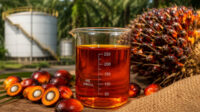
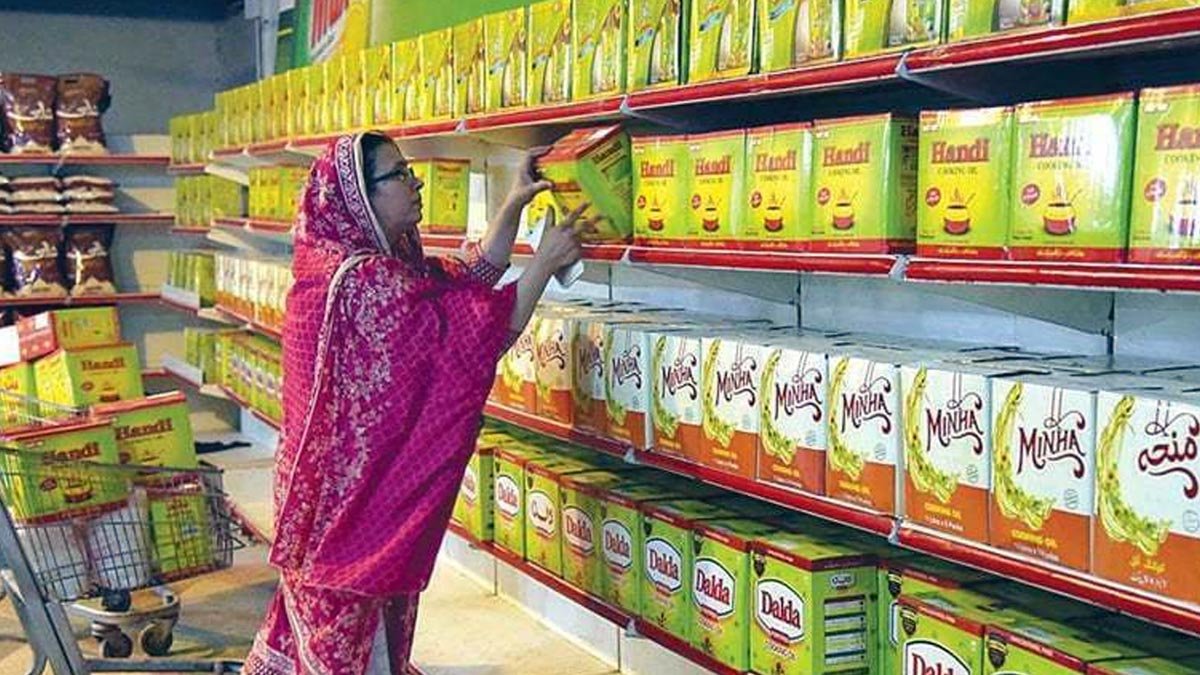
Meanwhile, representatives of the edible oil and ghee industry agreed to offer discounts ranging from Rs 10 to Rs 16 per kilogram or liter on all products during Ramadan.
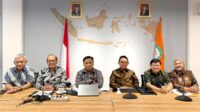
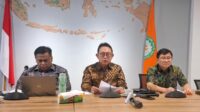
The agreement was reached during a high-level meeting attended by Special Assistant to the Punjab Government Salma Butt, Director General of the Punjab Food Authority (PFA) Asim Javed, and industry stakeholders.
Salma Butt stated that the initiative aligns with the directives of the Chief Minister of Punjab to ensure consumers have access to quality food products at affordable prices. She added that if global palm oil prices decline further, the industry stands ready to extend additional price relief in coordination with relevant authorities.
The PFA has also called for industry input to strengthen quality standards. DG Asim Javed noted that modern and efficient methods are already available to reduce trans-fatty acid levels, while testing procedures and quality benchmarks continue to be updated in line with international standards.
Authorities emphasized strict enforcement against substandard ghee products. Industry leaders, including Chairman of the Ghee Mills Association Asjad Arif, expressed support for tighter regulations and confirmed that manufacturers will uphold international standard operating procedures (SOPs) in production facilities across Punjab.
Both the government and industry stakeholders believe that close coordination between regulators and producers will be crucial to maintaining price stability and ensuring smooth distribution of essential food commodities during Ramadan. (P2)