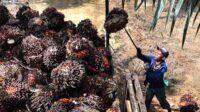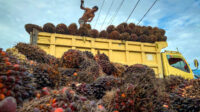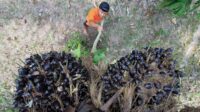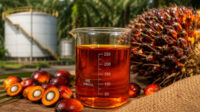
Behind those figures lies a significant transformation on the ground—one that requires farmers to map their landholdings, field supervisors to adopt new management practices, and digital systems to continuously evolve.
Building the Foundation Before Joining RSPO
STAA’s sustainability journey did not begin with RSPO membership.
Since 2022, the company has undertaken a series of initiatives that have laid the groundwork for alignment with international standards. These include Indonesian Sustainable Palm Oil (ISPO) certification, greenhouse gas emissions inventories, updated assessments of High Conservation Value (HCV) and High Carbon Stock (HCS) areas, and supplier due diligence systems designed to meet emerging European requirements.
Also Read: Strong El Niño Threatens Global Palm Oil Output, CPO Prices Expected to Strengthen
Before formally joining RSPO, the company also conducted a comprehensive gap assessment to evaluate its readiness for certification.
The results, according to Tetuko, indicated that STAA’s internal systems are already well positioned for external audits.
Yet technical preparedness is only part of the challenge.
Also Read: Indonesia Strengthens Global Seed Leadership with 10,500 Oil Palm Germplasm Exports to Colombia
Perhaps the more difficult transition involves organizational culture. RSPO standards require companies to integrate environmental, social, and governance considerations into everyday operational decisions. Sustainability becomes less of a standalone project and more of an operating principle embedded across the business.
Bringing Smallholders Into the Sustainability Transition
A central component of STAA’s strategy involves independent smallholders, who remain critical contributors to Indonesia’s palm oil supply chain.
Historically, smallholders have often been viewed primarily as suppliers. However, STAA increasingly sees them as essential partners in achieving sustainability objectives and maintaining market access.
Integrating smallholders into certification systems remains a significant challenge. Many farmers still lack detailed plantation maps, formal recordkeeping systems, and the technical resources required to meet international certification standards.
To address these barriers, the company has adopted a broader support approach that includes training programs, technical assistance, and financial support mechanisms aimed at helping farmers transition toward sustainable production practices.
STAA also plans to facilitate RSPO certification pathways for independent smallholders, enabling them to participate in certified supply chains and potentially benefit from additional revenue streams such as RSPO Credits.
Also Read: Indonesia Tightens MINYAKITA Market Oversight to Keep Cooking Oil Prices Under Control
In doing so, sustainability becomes not only an environmental objective but also an economic opportunity.
Sustainability Becomes a Commercial Imperative
The business case for certification is becoming increasingly clear.
Global consumption of Certified Sustainable Palm Oil (CSPO) surpassed 10 million tonnes in 2025, while certified palm oil now accounts for nearly 90% of consumption in Europe and North America.