PTPN IV PalmCo posted IDR 3.23 trillion in unaudited consolidated net profit for the first half of 2026, supported by stronger CPO prices, higher sales and tighter cost controls.
PALMOILMAGAZINE, JAKARTA — PT Perkebunan Nusantara IV PalmCo, the plantation subholding of state-owned PTPN III (Persero), reported a sharp improvement in financial performance in the first half of 2026, with unaudited consolidated net profit rising 54% year on year to IDR 3.23 trillion.
In a statement quoted by Palmoilmagazine on Monday (August 10, 2026), the company attributed the increase to higher crude palm oil (CPO) prices, stronger sales volumes and continued operational efficiency.
Also Read: PalmCo Leverages AI Technology to Transform Palm Oil Management with Data-Driven Decisions
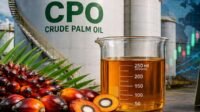
PalmCo’s revenue reached IDR 23.41 trillion in the first six months of 2026, up 11% from the same period last year. CPO remained the company’s largest revenue contributor, generating IDR 19.36 trillion amid stronger demand in both domestic and export markets.
Jatmiko K. Santosa, president director of PTPN IV PalmCo, said the company’s financial fundamentals had strengthened as a result of disciplined cost management and improvements in plantation productivity.
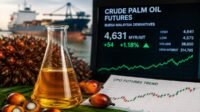
The company’s average CPO selling price rose to IDR 15,034 per kilogram, about 6% higher than in the first half of 2025. PalmCo was able to capitalize on the higher prices through increased production and consistent efficiency measures.
“Cost control and higher production are the backbone of the company. These fundamentals allowed a 6% increase in CPO prices in the first half of 2026 to translate into a 54% jump in profit despite various challenges,” Jatmiko said.
Also Read: PTPN IV PalmCo and ITS Launch Five-Year Partnership to Develop Palm-Based Green Fuel
Plantation Productivity Improves
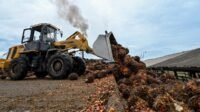
PalmCo also reported higher plantation productivity during the first half of the year. CPO productivity reached 2.14 tons per hectare, while the CPO extraction rate from the company’s own plantations rose to 23.48%.
Jatmiko attributed the improvement to standardized work processes, ranging from the implementation of improved field agronomic practices to optimization of palm oil mill operations.
Also Read: Indonesia’s KPBN CPO Price Rises, Malaysia Palm Oil Futures Hit Four-Month High
The company also reduced its palm oil cash cost to IDR 3,707 per kilogram, helping protect profit margins amid inflationary pressures and volatile global market conditions.
“Controlling operating costs is a key pillar of the company’s resilience. Optimized fertilization and more efficient mill operations have helped maintain healthy margins, allowing higher revenue to translate directly into stronger profit,” he said.
The stronger performance also improved PalmCo’s financial position. EBITDA rose 29% year on year to IDR 6.05 trillion, while total assets increased 6% to IDR 81.57 trillion, reflecting stronger fundamentals and more efficient asset management.
Also Read: Malaysia CPO Prices Hit Four-Month High at RM4,724 per Ton
PalmCo Expands Export Market
On the marketing front, PalmCo continued to expand its presence in export markets. In line with the government’s push to increase exports of higher-value commodities, the company shipped 129,500 tons of CPO to China and India between May 25 and July 8, 2026.
PalmCo’s coffee business also continued to contribute positively. Although the company postponed part of its harvest schedule due to changing climate patterns to maintain the quality of its specialty-grade coffee beans, the coffee segment still generated net profit of IDR 2.49 billion in the first half of 2026.
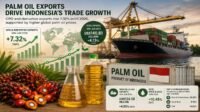
Also Read: Indonesia’s Palm Oil Exports Rise 7.32% in H1 2026, Supporting Trade Growth
Entering the second half of the year, PalmCo plans to accelerate its fertilization program, continue the smallholder replanting program, strengthen feedstock supplies for renewable biogasoline development and further improve operational efficiency as part of its broader transformation agenda.
Jatmiko said the first-half performance should serve as a foundation for continued transformation rather than mark the end of the company’s improvement efforts.
“The six-month performance provides a strong foundation, but this is only the beginning. We will continue to pursue continuous improvements to create greater value for shareholders, the industry and society,” he said. (P2)