The sustainability organization is monitoring fire hotspots through satellite-based systems and urging coordinated action among plantation companies, authorities, communities and conservation groups as dry conditions raise fire risks.
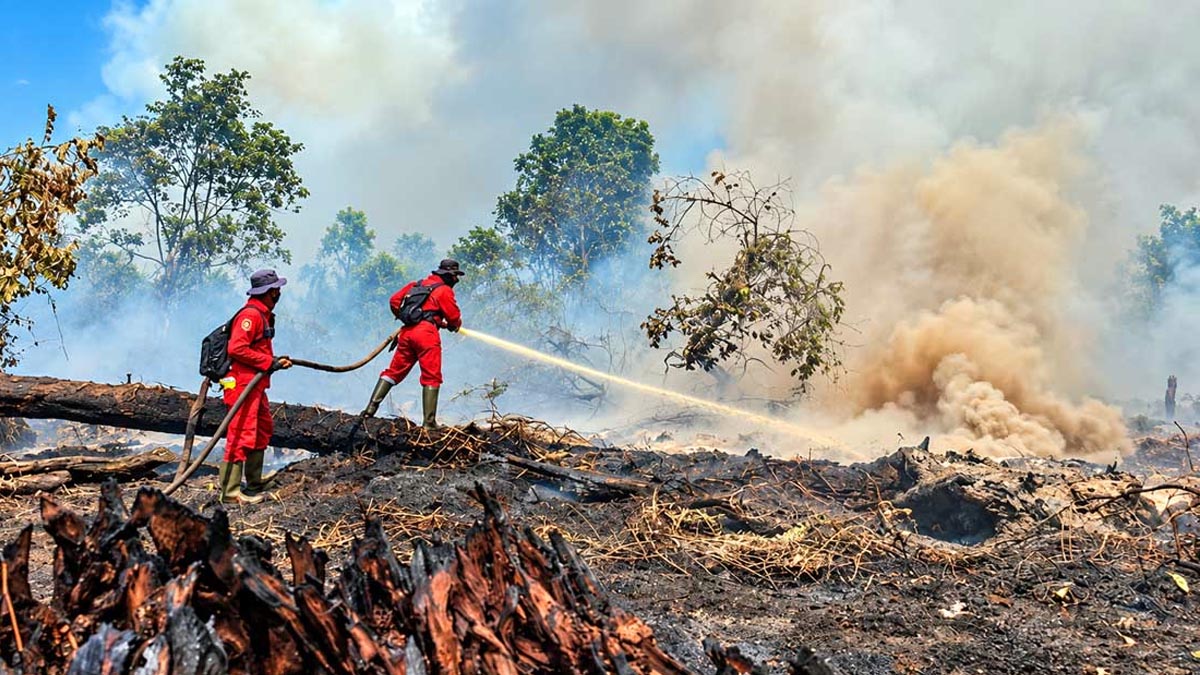
PALMOILMAGAZINE, JAKARTA — The Roundtable on Sustainable Palm Oil (RSPO) has expressed deep concern over fires affecting several parts of Indonesia, warning that the incidents are threatening communities, public health, wildlife and local livelihoods.
In an official statement issued Tuesday (Sept. 22, 2026), RSPO said the situation requires a rapid and coordinated response. The organization said it is continuing to monitor hotspots through its satellite-based RSPO Hotspot Hub and FireWatch systems while coordinating with field teams to verify reported fires inside and around certified plantation areas.
Also Read: RSPO Certification Transforms Belayan Sejahtera Smallholders, Strengthens Village Economy
Several RSPO members are facing significant challenges on the ground, the organization said. Response priorities include protecting communities, controlling fires, supporting affected residents and coordinating with forestry authorities, wildlife rescue organizations and non-governmental organizations.
Particular attention is being given to vulnerable areas, including orangutan habitats and conservation zones.
RSPO Investigates Causes of Fires
The RSPO Secretariat said it is communicating with affected members to establish the causes of the fires. Once detailed reports are available, the organization will determine the necessary follow-up actions in accordance with its applicable standards.
RSPO emphasized that its standards prohibit the use of fire for land clearing and land preparation. The organization also has mechanisms designed to strengthen transparency and accountability in preventing and responding to forest fires, open burning and the use of fire for pest control.
Also Read: Desacralizing Local Wisdom to Mitigate Forest and Land Fires
According to RSPO, fires can result from multiple factors, including natural conditions and human activities.
RSPO-certified plantations are required to maintain fire-management protocols and implement measures to prevent and address fire risks both within and around plantation areas.
Members Expected to Respond Beyond Plantation Boundaries
Under the RSPO system, members are expected to respond to fires occurring within approximately two kilometers of their concession boundaries.
However, the organization said members frequently extend their response beyond that distance to assist communities in surrounding areas.
The RSPO Hotspot Hub provides information on verified hotspots and potential fire incidents in both certified and non-certified areas. The data are sourced from NASA’s Fire Information for Resource Management System (FIRMS) and filtered to reduce the risk of false alarms.
RSPO stressed that a hotspot is an indicator of potential fire activity at a particular location and does not automatically constitute proof that a fire has occurred.
Worker safety is also a key component of the organization’s response to fires and haze.
RSPO standards require members to maintain occupational health and safety procedures, including monitoring air quality and adjusting field activities when pollution levels rise.
Heavy physical work may be suspended under hazardous conditions, while workers are required to use appropriate respiratory protection based on prevailing air-quality conditions.
Dry Weather and El Niño Raise Fire Risks
RSPO also warned that dry weather and the strengthening of the El Niño phenomenon are factors that need to be considered in fire-risk management.
The organization called for cross-sector coordination to address the heightened risk, including more consistent monitoring and patrols, rapid reporting of incidents and support for communities and conservation efforts affected by fires and haze.
Also Read: GAPKI North Kalimantan Distributes Masks Amid Wildfire Haze in Bulungan
RSPO also encouraged transparent cross-border cooperation and early intervention to prevent individual fire incidents from developing into broader regional problems.
Against this backdrop, the organization expressed appreciation to volunteers, emergency responders and other organizations continuing to work on the ground to protect communities and wildlife.
The fire situation remains an important issue for the palm oil industry because fire-risk management extends beyond plantation sustainability. It also involves public safety, ecosystem protection and the livelihoods of communities living around plantation areas. (P1)